Anti-inflammatory Food: What Really Works in Indian Kitchen Staples
When we talk about anti-inflammatory food, foods that reduce chronic swelling and pain in the body, often through natural compounds like curcumin and omega-3s. Also known as inflammation-fighting foods, it’s not about fancy supplements—it’s about what’s already in your spice rack and pantry. Many people think you need expensive superfoods to calm inflammation, but the truth? Some of the most powerful tools are right here in traditional South Indian cooking.
Take turmeric, the golden spice packed with curcumin, a compound proven in studies to block inflammatory pathways. It’s not just for color in curry—it’s the backbone of almost every lentil dish, rice preparation, and even milk drinks in Mysore households. Then there’s ginger, a root used fresh or dried in chutneys, dals, and teas, known to reduce joint stiffness and digestive irritation. You’ll find it in almost every recipe that calls for tempering spices. And let’s not forget lentils, especially urad dal and moong dal, which are high in fiber and antioxidants that help regulate gut inflammation. When soaked and fermented into dosa batter, they become even easier to digest and more effective at calming your system.
Coconut milk, often blamed for making dishes heavy, actually helps when used right. It’s rich in medium-chain fatty acids that don’t trigger inflammation the way processed oils do. Used in curries and dals, it’s not just creamy—it’s protective. Even simple ingredients like lemon juice, added to biryani or chutneys, help balance acidity and support your body’s natural detox processes. These aren’t isolated trends—they’re centuries-old practices built on observation, not marketing.
You won’t find anti-inflammatory food listed as a category in traditional Indian kitchens, but you’ll see it in action every morning: steamed idlis with coconut chutney, a bowl of moong dal with turmeric, or a spicy sambar with tamarind and curry leaves. These aren’t just meals—they’re daily medicine. The science backs it up, but the wisdom came from the kitchen, not the lab.
Below, you’ll find real recipes and fixes from home cooks who’ve learned what works—whether it’s fixing a soft dosa batter that’s too inflammatory on the gut, using the right ratio of urad dal to rice, or knowing when to skip sugar in marinades. No gimmicks. No overhyped superfoods. Just what’s been feeding families in Mysore for generations—and why it still works today.
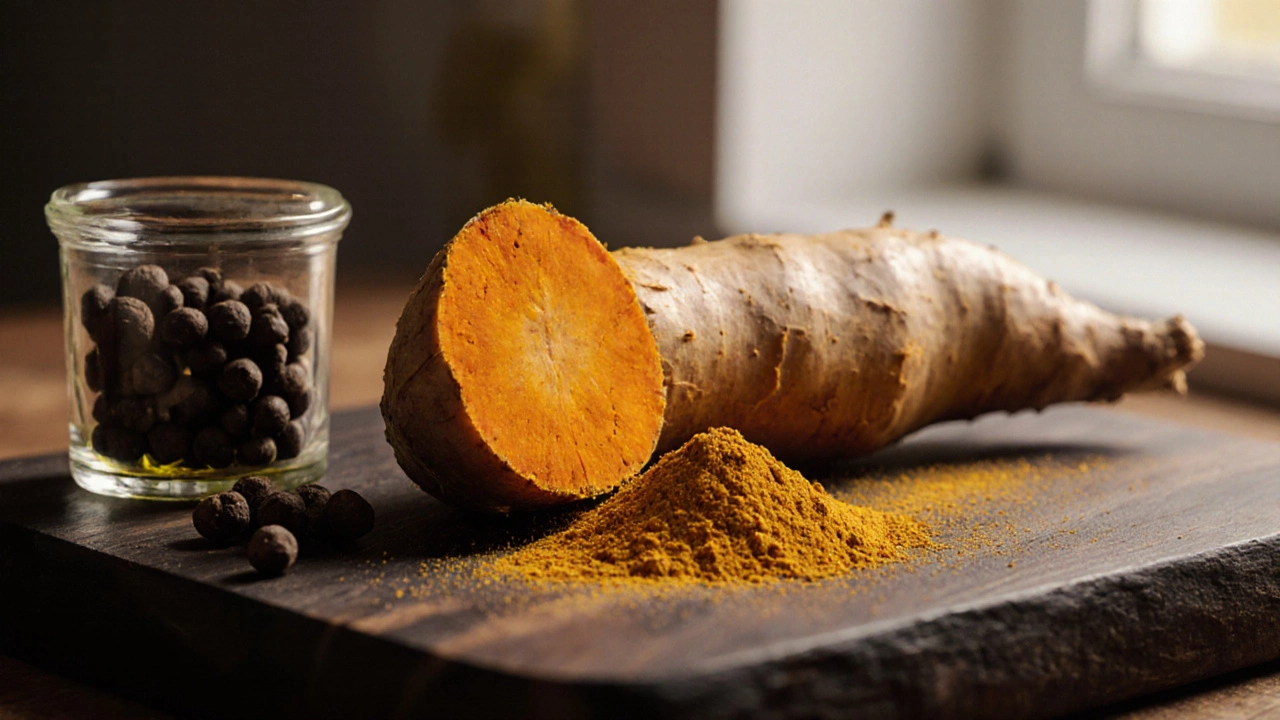
Top Anti-Inflammatory Food: The One Ingredient That Beats Inflammation
Discover why turmeric ranks as the top anti‑inflammatory food, how lentils boost the effect, and a simple dal recipe to fight chronic inflammation.
learn more