American Condiments: What They Are, How They're Used, and How They Compare to Indian Flavors
When you think of American condiments, commonly used flavor enhancers like ketchup, mayonnaise, mustard, and hot sauce that define burgers, fries, and sandwiches in the U.S.. Also known as table sauces, they’re designed to add punch, creaminess, or tang to simple foods—often eaten without thought, but never ignored. But here’s the thing: you won’t find ketchup in a South Indian home with dosa. Instead, you’ll get coconut chutney or tamarind sauce. Why? Because flavor isn’t just about taste—it’s about culture, history, and how food is meant to be eaten.
Take salsa, a fresh, chunky mix of tomatoes, onions, chilies, and cilantro from Mexican kitchens, often served with chips or tacos.. It looks a lot like Indian chutney, but salsa doesn’t cook down. It’s raw, bright, and meant to be eaten right away. Indian chutney? It’s often ground, fried, or fermented. It lasts longer. It clings to rice. It’s not a side—it’s part of the main dish. And then there’s British chutney, a sweet-tart, slow-cooked preserve made with fruit, vinegar, and spices, often paired with cheese or cold meats.. It’s closer to Indian achar than to American ketchup, but it’s still a world apart from the tangy, spicy, fermented pastes you’ll find in Mysore.
The real difference? American condiments are about convenience and consistency. You open a bottle, it tastes the same every time. Indian condiments? They’re alive. They change with the season, the fermentation, the grind. A coconut chutney made today won’t taste like the one from yesterday. That’s not a flaw—it’s the point. And that’s why you’ll find posts here about how chutney pairs with dosa, why salsa isn’t chutney, and how British chutney fits into everyday meals. You’ll learn what goes into curry bases, why lemon matters in biryani, and how to fix a soft dosa—not because these are random recipes, but because they all tie back to one truth: flavor comes from understanding, not just following a list.
What you’ll find below isn’t just a list of posts. It’s a map of how condiments work across cultures—what they’re made of, how they’re used, and why they matter. Whether you’re trying to replace ketchup with something more alive, or you just want to know why your salsa doesn’t taste like your aunt’s tamarind chutney, the answers are here. No fluff. No guesswork. Just the real reasons behind the flavors you love—or don’t understand yet.
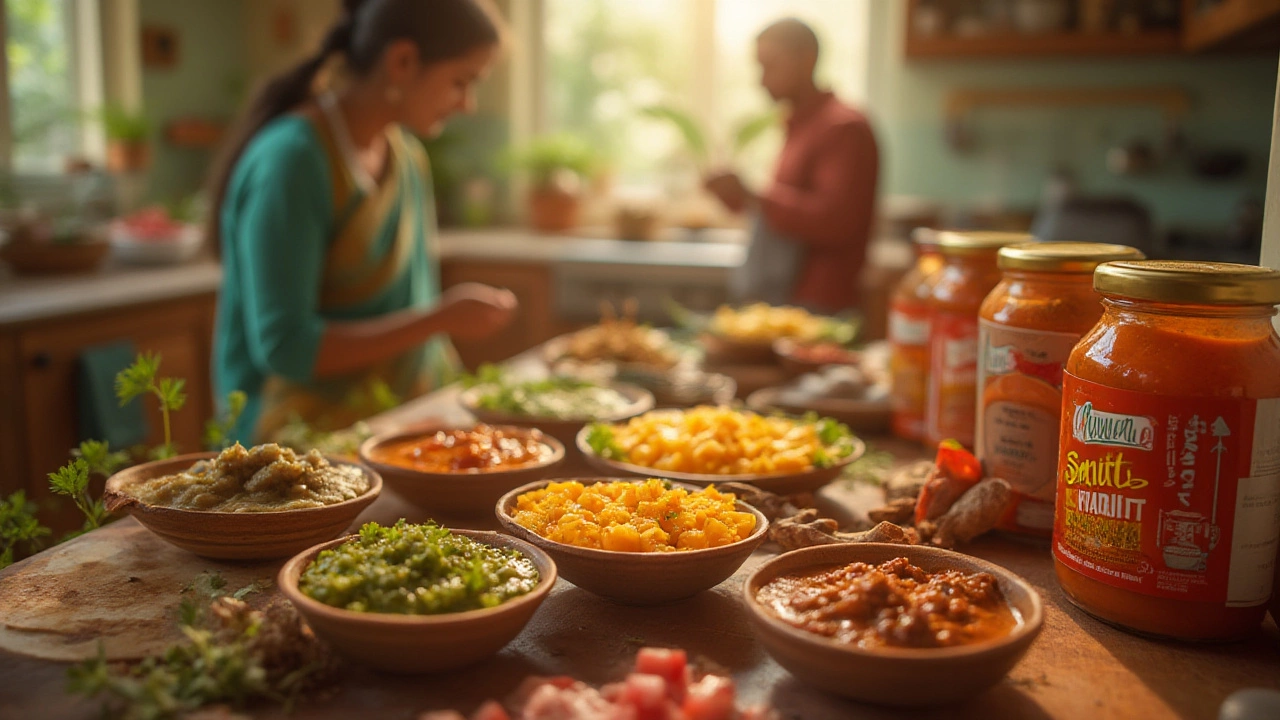
What Do Americans Call Chutney? Exploring Chutney’s Place in American Kitchens
What do Americans call chutney? Dive into the flavors, names, and place of chutney in the U.S., how it's understood, and what you’ll find on grocery shelves.
learn more