Acidic Ingredient in Indian Cooking: What It Does and Why It Matters
When you think of acidic ingredient, a substance that lowers pH to brighten flavor, tenderize proteins, or preserve food. Also known as souring agent, it’s not just about tang—it’s the secret that makes Indian food pop. Think of lemon squeezed over biryani, yogurt soaking into tandoori chicken, or tamarind stirring into sambar. These aren’t random additions. They’re deliberate, time-tested moves that change the game.
Yogurt, for example, is a gentle acid that breaks down tough muscle fibers in meat without turning it mushy. That’s why it’s the base for tandoori marinades—not because it’s traditional, but because it works. Too much oil? Too much sugar? Those hide flavor. But a splash of lemon or a spoon of yogurt? It lifts everything up. And it’s not just meat. Even dosa batter benefits from acidity. Fermentation naturally produces lactic acid, which helps the batter rise and gives dosas that crisp edge you can’t fake with heat alone. Chutneys, too, rely on acidity. A dash of vinegar in British chutney or tamarind in coconut chutney doesn’t just make it sour—it balances sweetness, cuts through richness, and keeps the flavor from getting flat.
It’s the same reason you add lemon to biryani. It doesn’t just add a zing—it keeps the rice grains separate, stops them from turning gluey, and wakes up the spices buried in the layers. Skip it, and your biryani tastes heavy, dull, one-note. Acid is the invisible hand that pulls all the flavors together. You’ll find this pattern again and again in these posts: yogurt in marinades, lemon in rice dishes, tamarind in curries, vinegar in chutneys. Each one plays a role. They’re not optional garnishes. They’re the backbone of flavor architecture in South Indian cooking.
What you’ll find below aren’t just recipes. They’re breakdowns of how acidity functions in real kitchens—from fixing a soft dosa to avoiding metal bowls that ruin your marinade. You’ll learn why some cooks swear by lime over lemon, how fermentation turns rice and dal into something alive, and why chutney isn’t just a side—it’s the flavor anchor. No fluff. No guesswork. Just the why behind the what.
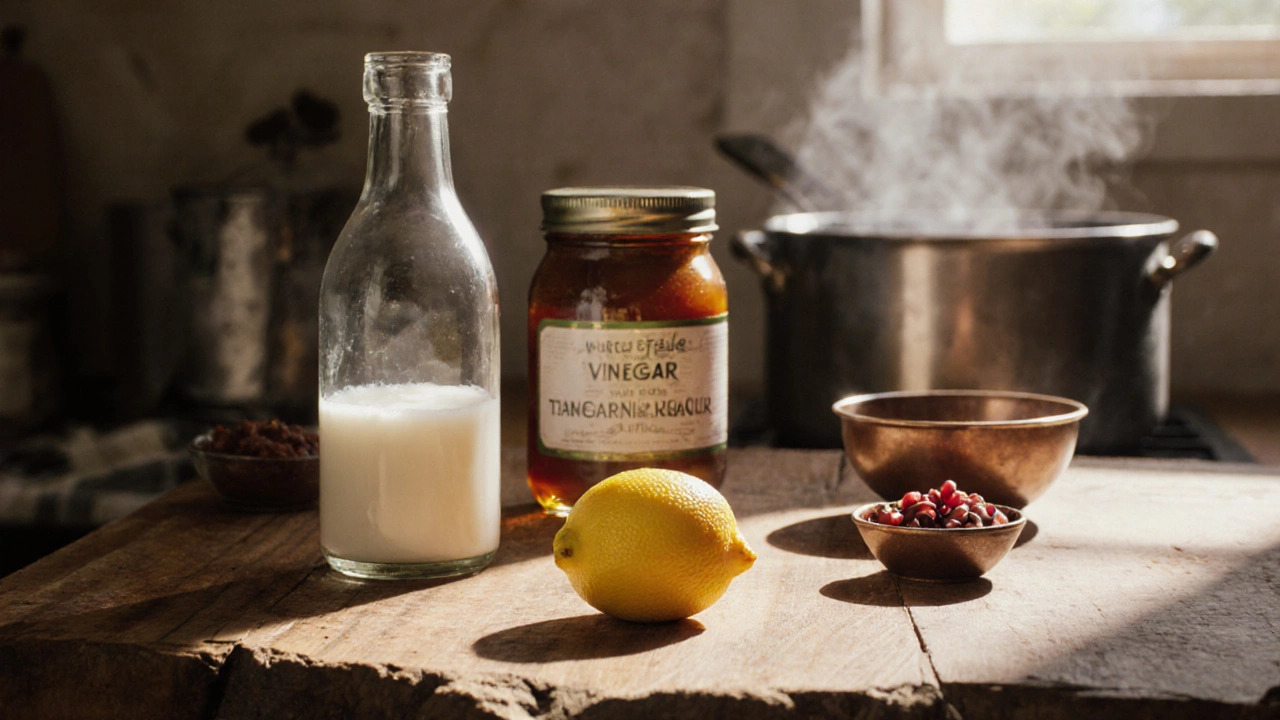
Best Lemon Substitutes for Making Homemade Paneer
Learn the best lemon substitutes for making paneer, with ratios, flavors, step‑by‑step instructions, a cheat‑sheet table and FAQs to help you cook without fresh lemon.
learn more