100% Vegetarian Country: Why India's Kitchen Runs on Plants
When people call India a 100% vegetarian country, a nation where plant-based eating shapes daily meals, religious practices, and regional cuisines. Also known as a land of vegetarian traditions, it’s not that no one eats meat—it’s that the soul of the kitchen lives in lentils, rice, spices, and dairy. You won’t find a single street in Mysore without a plate of idli, a bowl of sambar, or a stack of dosas waiting to be dipped in chutney. This isn’t just diet—it’s culture. And it’s been feeding families for centuries without ever needing a single piece of meat.
What makes this possible? It’s the South Indian vegetarian dishes, a rich collection of meals built on rice, lentils, coconut, and spices that deliver deep flavor without animal products. Think of dosa batter made from fermented rice and urad dal—no meat, no dairy, just pure fermentation magic. Or paneer butter masala, where cottage cheese soaks up tomato-cream gravy like a sponge, giving you richness without beef or chicken. Even the chutneys—tamarind, coconut, mint—are plant-powered flavor bombs that turn simple rice into something unforgettable. These aren’t niche options. They’re the default. The most eaten food in India? Roti, rice, dal, and dosa. Not steak. Not chicken curry. Plants.
The plant-based Indian diet, a system of eating that prioritizes legumes, grains, vegetables, and spices for nutrition and balance doesn’t just work—it thrives. It’s why turmeric, ginger, and cumin show up in almost every dish, not just for taste but for how they help digestion and reduce inflammation. It’s why soaking lentils overnight isn’t a chore—it’s science. And it’s why you can walk into any home in Karnataka and find breakfast ready before sunrise: poha, upma, or steamed idlis with coconut chutney. No fancy equipment. No imported ingredients. Just time, tradition, and a few key spices.
What you’ll find below isn’t a list of recipes. It’s a window into how a country eats. You’ll learn why dosa batter needs a 1:3 ratio of rice to urad dal, how lemon lifts biryani without meat, and why coconut milk won’t curdle if you add it right. You’ll see how chutney pairs with everything from samosas to sandwiches, and why the sweetest Indian treat looks like cotton candy but tastes like rosewater and sugar. These aren’t random posts. They’re the real tools behind a way of eating that’s lasted generations—and still feeds millions every day.
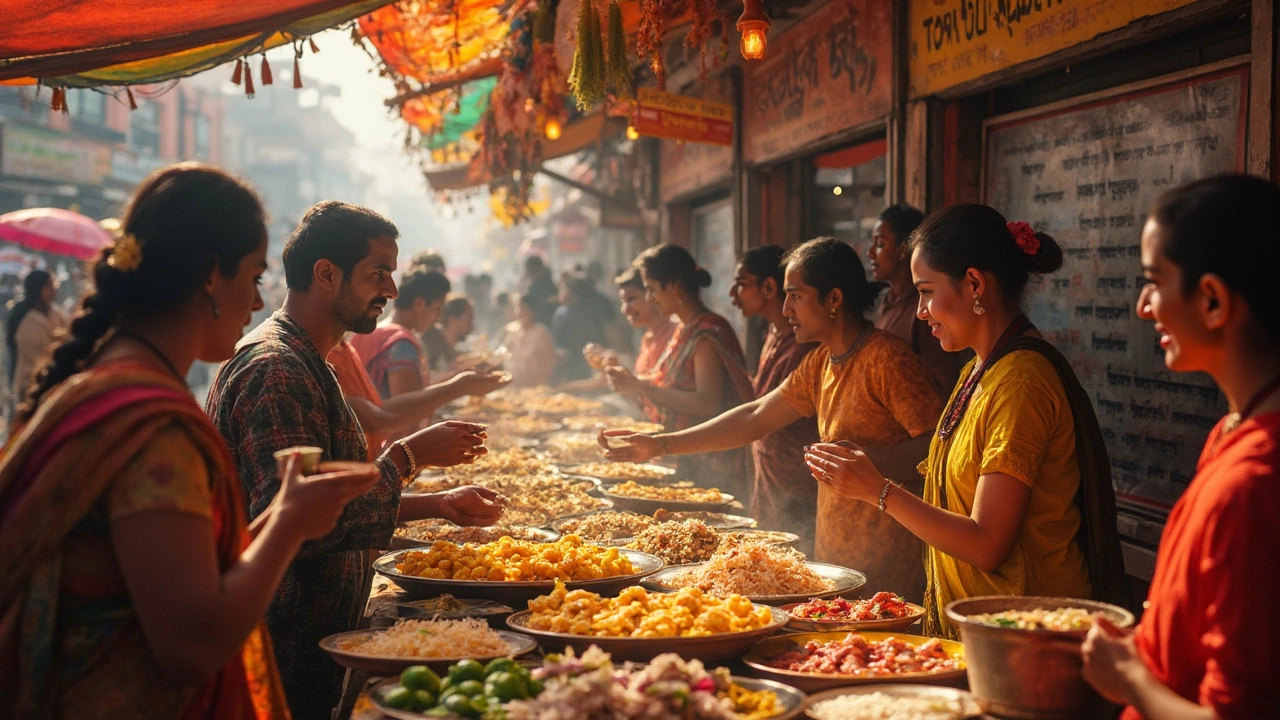
Which Country Is 100% Vegetarian? Exploring the Truth Behind the Myth
Is there really a country where everyone follows a vegetarian diet? This article unpacks the idea of a 100% vegetarian nation, with a special look at India as the global center for vegetarian culture. Discover why even India isn't fully vegetarian, what influences food choices there, and the quirks of its regional vegetarian dishes. Get practical tips for eating vegetarian while traveling and watch out for common roadblocks. Learn the facts and get some smart tips for anyone passionate about vegetarian food.
learn more