Paneer vs. Halloumi Substitution Simulator
Select options above to see the substitution advice.
You’re standing in front of your fridge, staring at a block of paneer and wondering if you can throw it on the grill like that squeaky Cypriot cheese everyone talks about. Or maybe you’re trying to make a Greek salad but only have Indian cottage cheese on hand. The short answer? No, they aren’t the same thing. But can you swap them in a pinch? Yes, with some serious caveats.
Both are fresh cheeses. Both don’t melt into a gooey mess when heated. That’s where the similarities end. If you treat paneer like halloumi without adjusting your expectations, you might end up with a rubbery disappointment or a bland, crumbly mess. Let’s break down exactly why these two curds are different, how their textures clash or complement each other, and when you can actually get away with using one instead of the other.
The Core Difference: Acid vs. Rennet
To understand why paneer and halloumi behave differently, you have to look at how they’re made. It’s not just about milk; it’s about chemistry.
Paneer is an acid-set cheese. You take whole milk, boil it, and then add an acid like lemon juice, vinegar, or yogurt. The acid drops the pH level, causing the casein proteins to coagulate and separate from the whey. You drain the solids, press them into a block, and boom-you have paneer. There’s no aging, no bacterial cultures, and crucially, no rennet (an enzyme usually derived from calves) involved in the traditional process.
Halloumi, on the other hand, is traditionally a brined cheese made from a mix of goat’s and sheep’s milk (though cow’s milk versions exist now). It uses rennet to set the curd. After being cut and cooked, it’s soaked in a salty brine for hours or days. This brining process is what gives halloumi its signature flavor and texture. Paneer skips the salt bath entirely, which is why it tastes so mild and milky compared to the savory punch of halloumi.
| Feature | Paneer | Halloumi |
|---|---|---|
| Coagulant | Acid (Lemon/Vinegar) | Rennet + Heat |
| Salt Content | Very Low / None | High (Brined) |
| Milk Source | Cow’s Milk (usually) | Goat/Sheep/Cow Mix |
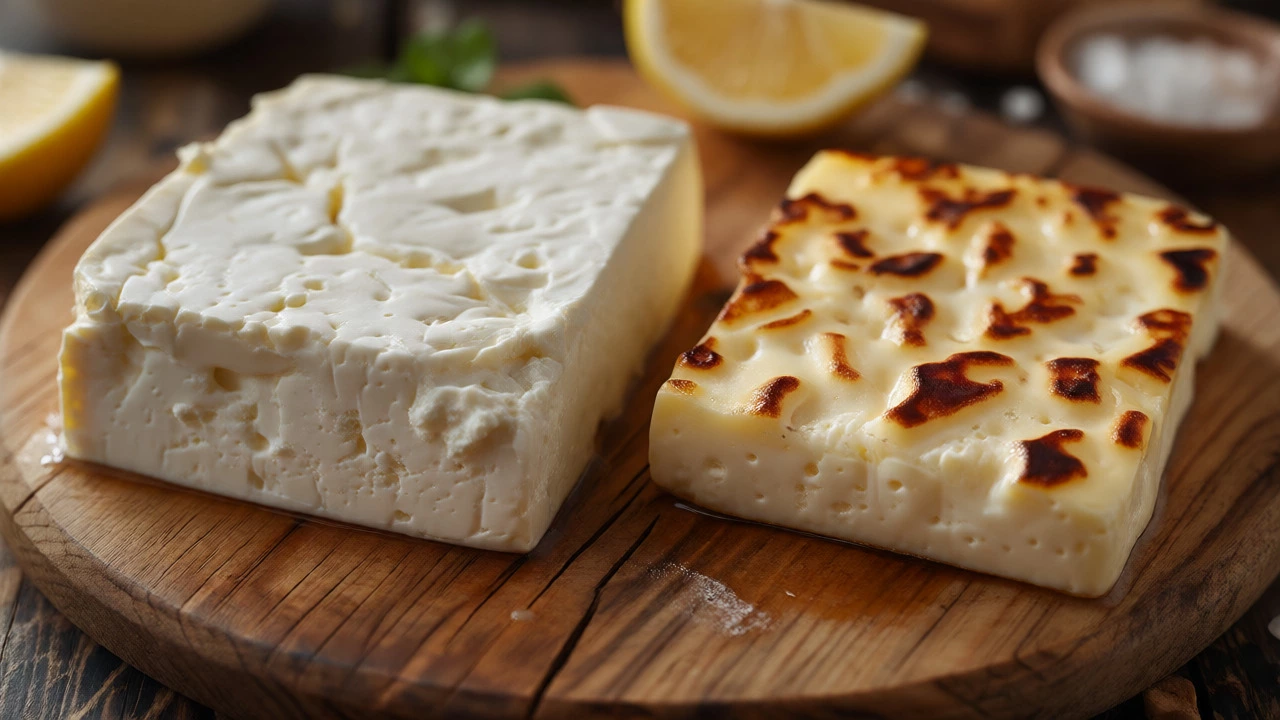
| Texture When Cold | Soft, Crumbly, Moist | Firm, Squeaky, Dense |
| Flavor Profile | Mild, Milky, Neutral | Salty, Tangy, Savory |
Texture Wars: Why Halloumi Squeaks and Paneer Doesn’t
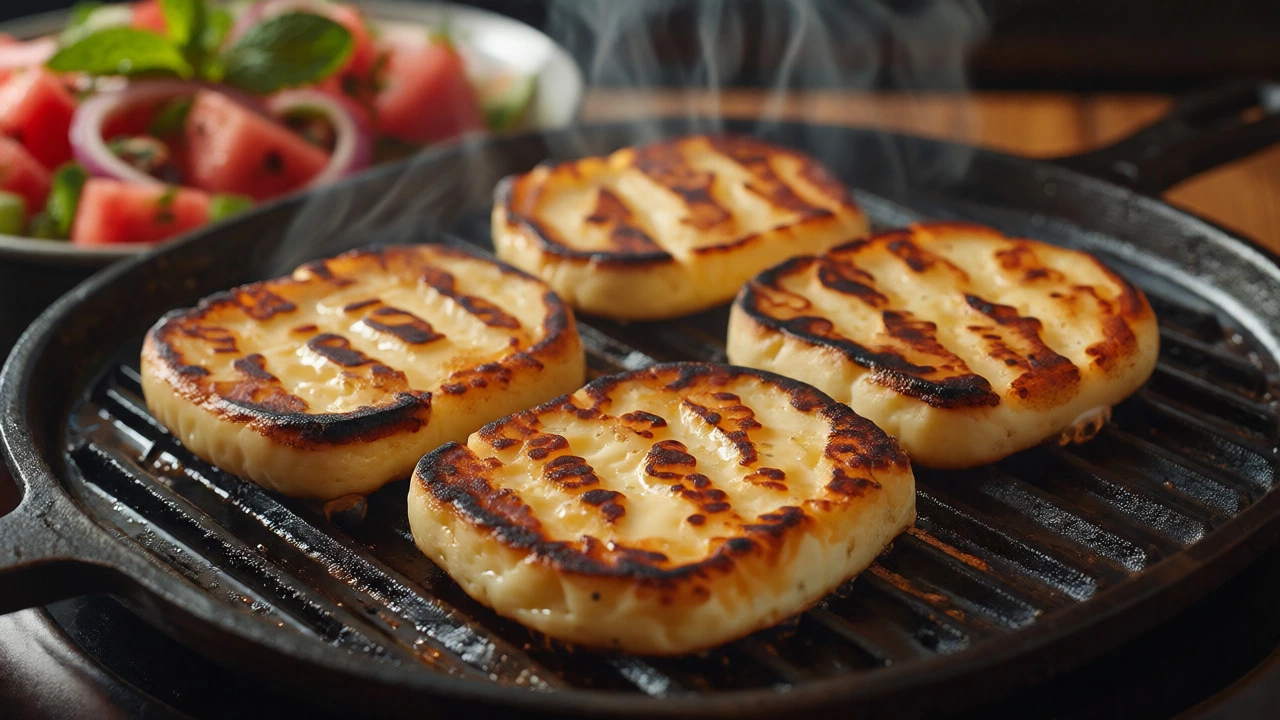
If you’ve ever bitten into halloumi, you know the sound. That distinct "squeak" against your teeth isn’t a bug; it’s a feature. It happens because the high acidity and heat treatment during production align the protein structures in a way that resists compression. It’s firm, elastic, and holds its shape aggressively on a hot grill.
Paneer is softer. While it doesn’t melt, it has a higher moisture content and a more delicate protein matrix. If you try to grill a thin slice of paneer like a slice of halloumi, it will likely stick to the pan, tear apart, or turn dry and chalky rather than developing that golden, crispy crust. Halloumi creates a Maillard reaction (that delicious browning) much faster and more evenly because of its lower moisture and higher fat density.
Think of it this way: Halloumi is like a sturdy rubber eraser. Paneer is like a soft sponge. You can press both, but they react to pressure very differently. If you want that crisp, charred exterior, halloumi wins every time. Paneer needs gentle handling, shallow frying, or incorporation into sauces to shine.
Flavor Profiles: Bland Canvas vs. Salty Star
This is the biggest deal-breaker for most home cooks. Paneer is famously neutral. It’s a blank canvas. In Indian cooking, this is a strength. It absorbs the spices of a palak paneer or a rich tikka masala perfectly. It doesn’t compete with the sauce; it carries it.
Halloumi is loud. It’s salty, tangy, and assertive. It brings its own flavor to the party. If you swap paneer for halloumi in a Mediterranean dish, you’ll miss that salty kick unless you heavily season the paneer. Conversely, if you use halloumi in a delicate Indian curry, the saltiness might overpower the subtle spice blends. You’d need to reduce added salt in the recipe significantly.
Here’s a quick rule of thumb: If the dish relies on the cheese to provide saltiness (like a salad), paneer will fail unless you dress it heavily. If the dish relies on the cheese to absorb flavors (like a curry), halloumi might overwhelm the other ingredients.
Can You Substitute One for the Other?
You can, but you have to hack the process. Here is how to make the swap work depending on what you are cooking.
Using Paneer Instead of Halloumi
Imagine you want grilled cheese skewers but only have paneer. Plain paneer will fall apart and taste boring. To fix this, you need to mimic halloumi’s properties:
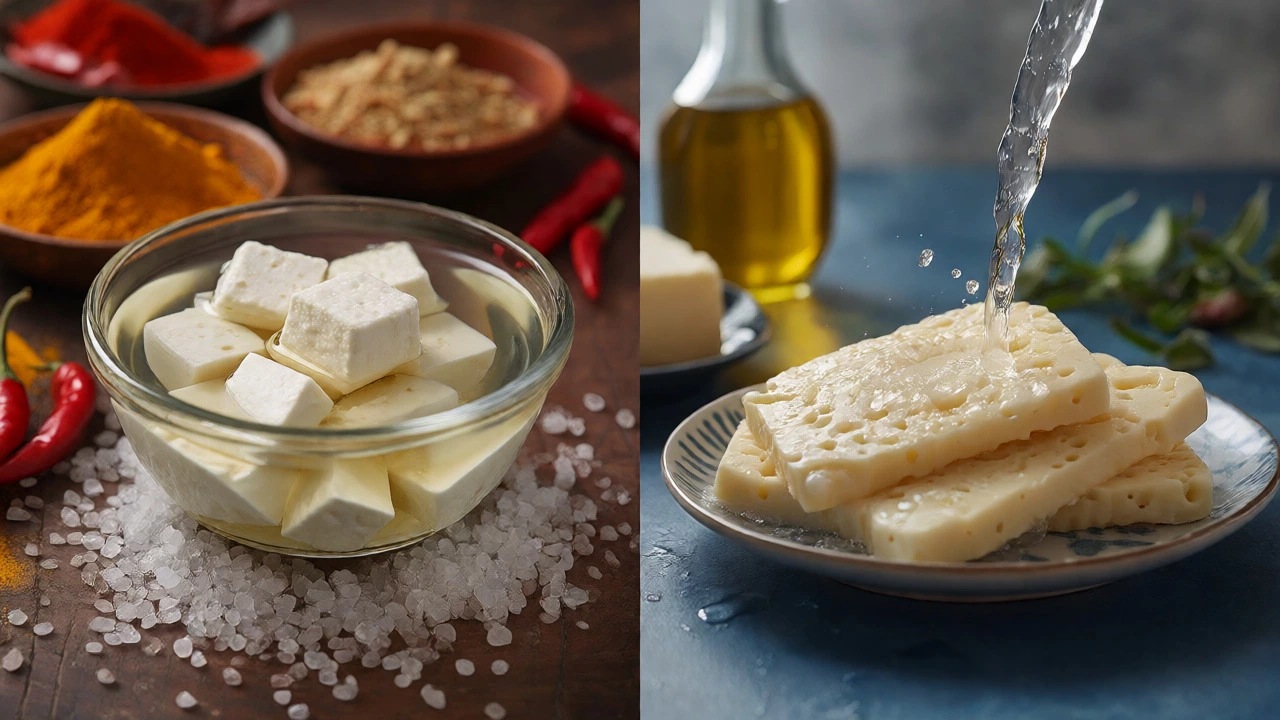
- Press it hard: Wrap your paneer in cheesecloth and put a heavy weight on it for at least an hour. You need to squeeze out as much water as possible to firm it up.
- Marinate in salt: Soak the pressed blocks in a strong saltwater brine for 30-60 minutes. This adds the missing sodium and firms up the surface.
- Pat dry: Before cooking, ensure the surface is bone dry. Moisture is the enemy of browning.
- High heat, less time: Grill quickly over high heat. Don’t expect it to hold together as well as halloumi. Use skewers to keep pieces intact.
Using Halloumi Instead of Paneer
You want to make saag paneer but only have halloumi? Go for it, but adjust the seasoning:
- Rinse it: Give the halloumi a quick rinse under cold water to remove excess surface salt.
- Reduce added salt: Cut the salt in your spinach gravy by half. Taste before adding more.
- Add later: Add the halloumi cubes at the very end of the cooking process. Unlike paneer, which can simmer gently, halloumi can become tough if boiled too long.
- Accept the texture: Your curry will have a chewier, squeakier bite. Some people love this contrast; others find it weird in a creamy sauce.
Nutritional Showdown: Which Is Healthier?
Let’s look at the numbers per 100g serving. This matters if you’re watching your sodium or calorie intake.
| Nutrient | Paneer | Halloumi |
|---|---|---|
| Calories | ~265 kcal | ~320 kcal |
| Fat | ~20g | ~24g |
| Protein | ~18g | ~19g |
| Sodium | ~10mg | ~700mg+ |
Paneer is generally leaner and has negligible sodium. Halloumi is a sodium bomb due to the brining. If you have high blood pressure, paneer is the clear winner. However, halloumi often has a richer mouthfeel because of the higher fat content, so you might eat less of it to feel satisfied.
Cooking Techniques: Where Each Cheese Shines
Don’t force square pegs into round holes. Use each cheese for its strengths.
Best Uses for Paneer:
- Curries: Palak, Matar, Kadhai. It absorbs gravy beautifully.
- Desserts: Ras Malai or Sandesh. Its mildness pairs well with sugar and cardamom.
- Stir-frys: Indo-Chinese dishes like Chilli Paneer benefit from its ability to coat in sauce without dissolving.
Best Uses for Halloumi:
- Grilling: BBQ skewers, burger toppings. It chars without melting.
- Salads: Warm halloumi on top of a watermelon or tomato salad provides a salty, savory counterpoint.
- Baking: Wrapped in pastry or baked with honey and thyme.
Final Verdict: Are They Interchangeable?
No. They are cousins, not twins. Paneer is a mild, acid-set curd designed to blend into spicy, complex Indian gravies. Halloumi is a salty, rennet-set cheese designed to stand alone or pair with fresh, bright Mediterranean ingredients.
You can substitute them in emergencies, but you must adjust your technique. Press and brine paneer if you want to grill it. Rinse and desalinate halloumi if you want to cook it in a curry. But if you have the choice, stick to the original. The specific texture and flavor profiles are too distinct to ignore. Embrace the differences-they’re what make each cuisine unique.
Does paneer melt like mozzarella?
No, paneer does not melt. Because it is set with acid rather than enzymes and bacteria, the protein structure remains stable when heated. It will soften slightly but will never become stringy or gooey like mozzarella or cheddar.
Why is my homemade paneer rubbery?
Rubbery paneer is usually caused by boiling the milk too vigorously after adding the acid, or by pressing it for too long with excessive weight. Gentle heating and moderate pressing yield a softer, creamier texture.
Is halloumi vegetarian?
Traditional halloumi uses animal rennet, making it non-vegetarian. However, many modern brands produce halloumi using microbial or vegetable rennet. Always check the label if you follow a strict vegetarian diet.
Can I freeze paneer?
Yes, but the texture changes. Frozen paneer becomes spongier and holds marinades better, which is great for tandoori-style dishes. Thaw it slowly in the refrigerator and pat it dry before cooking.
Which cheese is healthier, paneer or halloumi?
It depends on your health goals. Paneer is lower in calories and sodium, making it better for heart health and weight management. Halloumi has similar protein levels but is much higher in saturated fat and sodium due to brining.