Paneer Decoder & Finder
Confused about what to call Paneer or how to explain it? Use this tool to generate the perfect description, find a substitute, or locate it in your grocery store.
Suggested Phrasing:
Select an audience and click Generate to see the best way to describe Paneer.
Recommended Substitute:
...
...
Where to Look:
- Loading tips...
You’re at a grocery store in London or New York. You see a block of white, firm cubes labeled "Indian Cheese." You grab it, go home, and try to make a curry. The result? A rubbery mess that tastes nothing like the soft, milky paneer you had back home. Or maybe you’re trying to explain your favorite dish to a friend who has never eaten Indian food before. You say, "It’s made with cheese," and they imagine cheddar or mozzarella. Then they take a bite and look confused because it doesn’t melt.
So, what do we say paneer in English? Technically, it is paneer. But here is the catch: there is no direct one-word equivalent in standard English culinary terminology that captures its texture, taste, and cooking behavior perfectly. Calling it just "cheese" is misleading. Calling it "cottage cheese" is wrong. This article breaks down exactly how to describe paneer to an English-speaking audience, why the translation matters for cooking, and how to find or make the right substitute if you can’t get the real thing.
The Direct Translation Problem
If you open a dictionary, you might find paneer defined as "fresh cheese" or "curd cheese." That’s accurate but useless for a cook. In English, the word "cheese" covers everything from hard parmesan to creamy brie. When you tell someone you are eating paneer, their brain pulls up images of melted mozzarella on pizza or sharp cheddar on a cracker. Neither matches the reality.
Paneer is a non-aged, acid-set fresh cheese. It does not use rennet (the enzyme used in most Western cheeses). Instead, it uses lemon juice or vinegar to curdle milk. This process gives it a mild, milky flavor and a firm, crumbly texture that holds its shape when cooked. Unlike Western cheeses, paneer contains no live cultures and undergoes no aging process. It is essentially concentrated milk solids.
Because English lacks a specific noun for this type of dairy product, the loanword "paneer" has been adopted into the English lexicon. Major dictionaries like Oxford and Merriam-Webster now include "paneer" as an entry. So, the short answer is: You say "paneer." If you must translate it, you say "fresh Indian cheese" or "acid-set fresh cheese." But be prepared to explain that it doesn’t melt.
Why "Cottage Cheese" Is a Bad Substitute
Many people think paneer is just pressed cottage cheese. It isn’t. While both are fresh curds, the difference lies in moisture content and structure.
Cottage cheese is loose, wet, and salty. Paneer is dry, dense, and bland. To make paneer, you press the curds under heavy weight for hours to squeeze out all the whey. Cottage cheese retains much more moisture. If you try to fry cottage cheese, it turns into a watery mush. If you fry paneer, it gets golden brown edges while staying soft inside.
However, if you absolutely cannot find paneer, low-fat cottage cheese is the closest relative. Here is how to hack it:
- Drain the cottage cheese thoroughly using cheesecloth.
- Press it firmly to remove every drop of liquid.
- Rinse it to remove the saltiness.
- Mix it with a little flour or cornstarch to help it bind.
This DIY version works in a pinch for gravies, but it will never replicate the clean, milky bite of authentic homemade paneer.
How to Describe Paneer’s Taste and Texture
When explaining paneer to someone unfamiliar with Indian cuisine, focus on these three attributes:
- Texture: Firm yet yielding. Think of firm tofu, but softer and creamier. It should not be rubbery unless overcooked.
- Taste: Mild, milky, and slightly tangy. It acts as a sponge, absorbing the spices around it.
- Cooking Behavior: Heat-stable. It does not melt. You can grill it, fry it, or simmer it in boiling gravy without it disintegrating.
A good analogy is comparing it to halloumi, the Cypriot cheese. Both are non-melting cheeses often grilled. However, halloumi is salty and chewy due to the brining process. Paneer is unsalted and soft. If you want to help someone understand, say: "Imagine a very mild, soft halloumi that hasn’t been salted." That usually clicks.
Finding Paneer in Western Grocery Stores
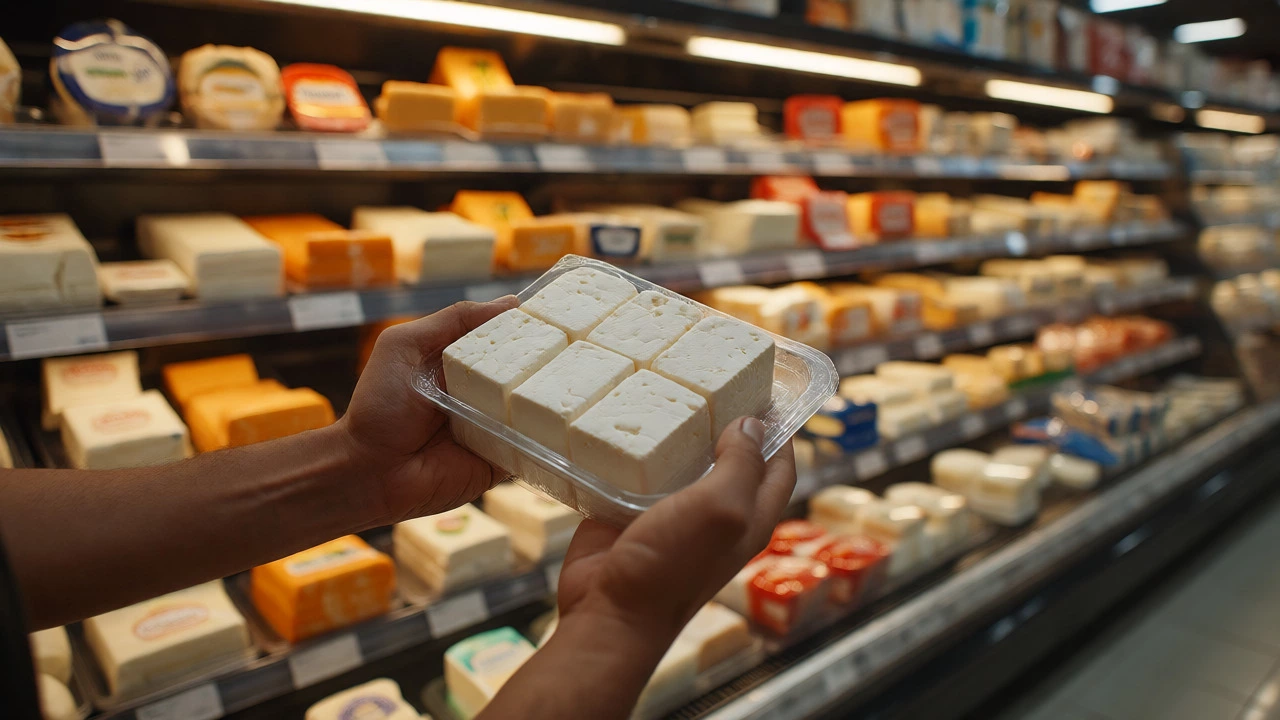
If you are shopping in the US, UK, Canada, or Australia, where do you look? Do not check the main cheese aisle first. Look in these spots:
- International Foods Aisle: Often near Indian lentils and rice. Brands like Deep, Patel, or Haldiram’s are common.
- Health Food Section: Sometimes sold as "organic fresh cheese" or "vegetarian cheese blocks."
- Frozen Section: Many stores carry frozen paneer cubes. These are convenient but can become spongy if thawed poorly. Always thaw them slowly in the fridge, not on the counter.
Check the ingredient list. Authentic paneer should only have two ingredients: milk and an acid (lemon juice, vinegar, or citric acid). If it lists "preservatives," "modified starch," or "salt," it is processed paneer. Processed paneer melts better but loses the traditional texture. For dishes like Palak Paneer or Shahi Paneer, stick to the unprocessed kind.
The Best Homemade Method (And Why Store-Bought Fails)
Nothing beats homemade paneer. It takes 20 minutes and costs less than buying a pre-packaged block. More importantly, you control the texture. Store-bought paneer is often too dry or too wet depending on the batch. Homemade is consistent.
Here is the foolproof method for soft, fluffy paneer:
| Ingredient | Amount | Purpose |
|---|---|---|
| Full-Fat Milk | 1 Liter (4 Cups) | Provides fat for richness; skim milk makes rubbery paneer |
| Lemon Juice or Vinegar | 2-3 Tablespoons | Acid to curdle the milk proteins |
| Water | As needed | To rinse the curds |
Steps:
- Boil the milk. Stir occasionally so it doesn’t burn.
- Turn off the heat once it boils. Add lemon juice gradually. Stir gently. The milk will separate into white curds and greenish-yellow whey.
- If it doesn’t separate fully, add a bit more acid. Stop adding acid once the whey is clear.
- Strain through cheesecloth. Rinse the curds under cold water immediately. This stops the cooking process and washes away the sour taste.
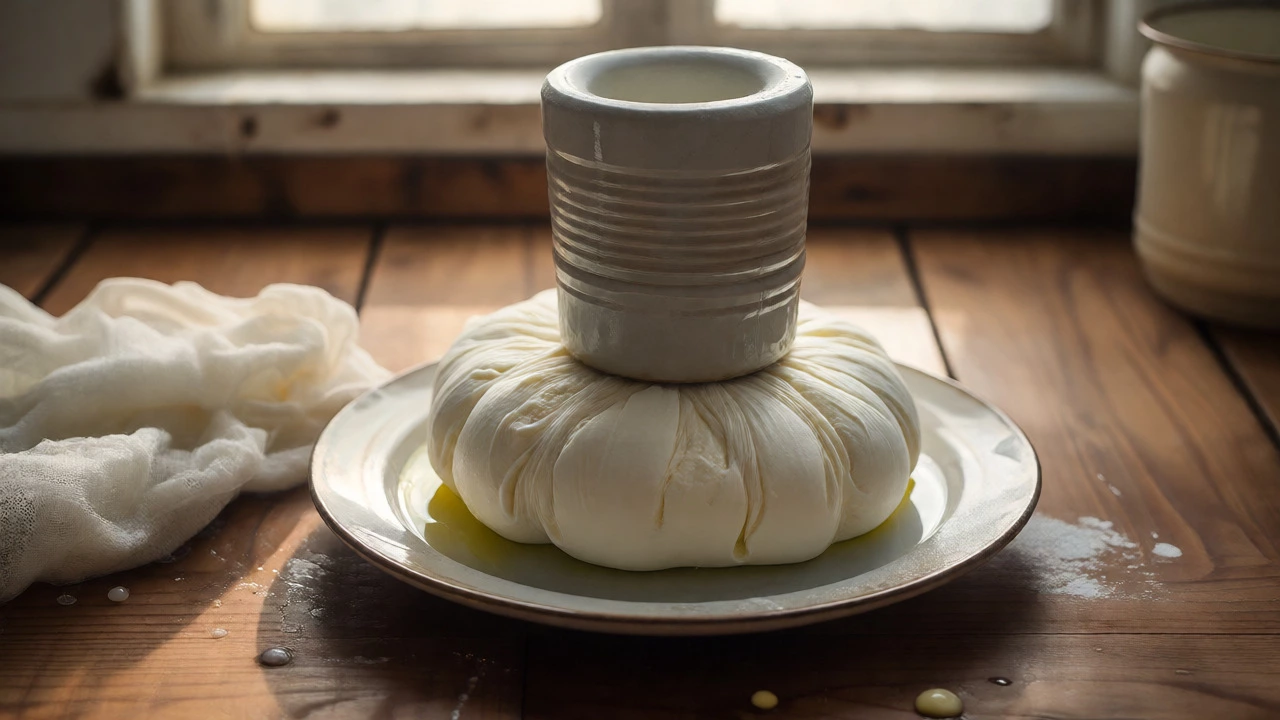
- Gather the cloth corners and hang it for 15 minutes to drain excess water.
- Place the bundle on a plate, cover with another plate, and put a heavy weight (like a mortar or cans) on top. Press for 1-2 hours.
The key secret? Do not over-press. If you press it for six hours, you get a brick. One hour is enough for cubes that hold their shape but stay tender.
Nutritional Profile: Why Paneer Is a Superfood for Vegetarians
In many Western diets, getting high-quality protein without meat can be tricky. Paneer solves this. It is one of the best vegetarian sources of complete protein.
| Nutrient | Paneer (Full Fat) | Tofu (Firm) | Cottage Cheese |
|---|---|---|---|
| Protein | 18-20g | 8-10g | 11-12g |
| Calcium | High | Moderate (if fortified) | Moderate |
| Carbs | Low (<1g) | Low | Low |
| Fat | High (unless low-fat) | Low | Variable |
Paneer provides about double the protein of tofu by weight. It is also rich in calcium and phosphorus, essential for bone health. Because it is unsalted, you control the sodium intake, making it heart-healthier than many processed cheeses. Just watch the calorie count if you are using full-fat milk; paneer is energy-dense.
Common Mistakes That Ruin Paneer Dishes
Even with perfect paneer, you can ruin a dish. Here are the pitfalls:
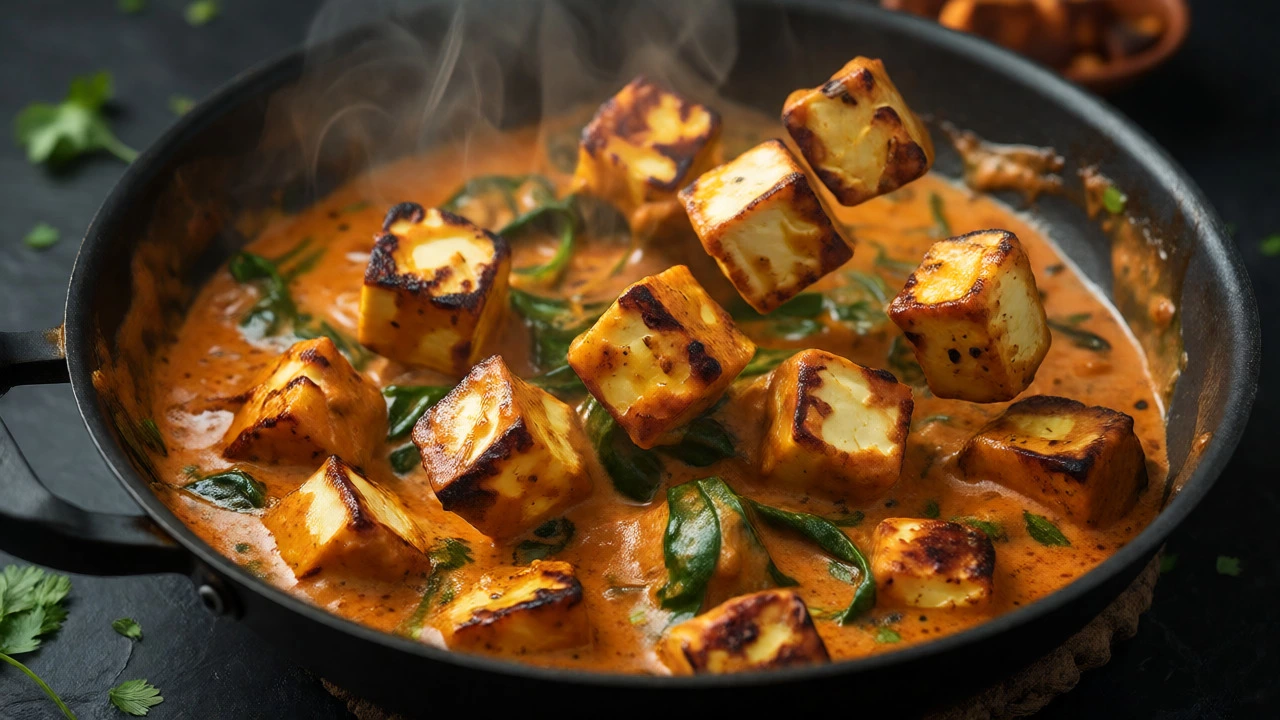
- Overcooking: Paneer becomes rubbery if boiled for too long. Add it to gravies at the very end. Let it warm through for just 2-3 minutes.
- Using Low-Fat Milk: Skim milk produces dry, chalky paneer. Always use whole milk for the best mouthfeel.
- Skipping the Rinse: If you don’t rinse the curds, your dish will taste overly sour. The residual acid needs to be washed away.
- Cutting Too Small: Paneer shrinks slightly when heated. Cut larger cubes than you think you need.
If your paneer is already rubbery from the store, soak it in warm water with a pinch of sugar for 15 minutes before cooking. This helps rehydrate it slightly.
Conclusion: Embrace the Loanword
Stop trying to force paneer into the box of "Western cheese." It is its own category. When you speak English, just say "paneer." It is understood globally now. When writing recipes, specify "fresh, non-melting paneer" to avoid confusion. And whenever possible, make it yourself. The difference between store-bought and homemade is night and day. Once you master the simple art of curdling milk, you’ll never buy the packaged blocks again.
Is paneer the same as tofu?
No. Tofu is made from soybeans, while paneer is made from cow's milk. They share a similar texture and ability to absorb flavors, but their nutritional profiles and origins are completely different. Paneer has significantly more protein and calcium than tofu.
Can I use ricotta instead of paneer?
Ricotta is too wet and grainy to replace paneer directly. However, if you drain ricotta thoroughly and mix it with a binder like egg or flour, you can create a paste suitable for stuffed dishes like samosas. It won't work well for cubed curries.
Why is my homemade paneer hard?
Hard paneer usually results from over-cooking the curds after they form or pressing them for too long. Once the milk separates, turn off the heat immediately. Also, ensure you rinse the curds in cold water to stop the cooking process before pressing.
Does paneer contain rennet?
Traditional paneer does not contain rennet. It is set using acids like lemon juice or vinegar. This makes it suitable for vegetarians who avoid animal-derived enzymes found in many Western cheeses.
How long does homemade paneer last?
Fresh homemade paneer lasts 2-3 days in the refrigerator if stored in an airtight container. To extend its life, submerge it in water and change the water daily. For longer storage, freeze it for up to 3 months.