Curry Spice Ratio Calculator
Build Your Perfect Curry Flavor Profile
Calculate the ideal spice ratios for authentic curry flavors. Turmeric is for color, not flavor - let cumin, coriander, and chili shine!
Your Curry Settings
Spice Selection
Select which spices you have available
Your Custom Curry Spice Ratio
Base Spices
Essential Balance
Color & Balance
Heat Adjustment
Finishing Touch
Pro Tips from the Article
- Bloom your spices: Add cumin and coriander with oil first to wake up their flavors
- Finish with garam masala: Add at the end to preserve its volatile oils
- Balance with acid: Tomatoes provide essential acidity to cut through earthiness
- Use fresh turmeric: If available, use fresh root for brighter flavor
The Yellow Misconception
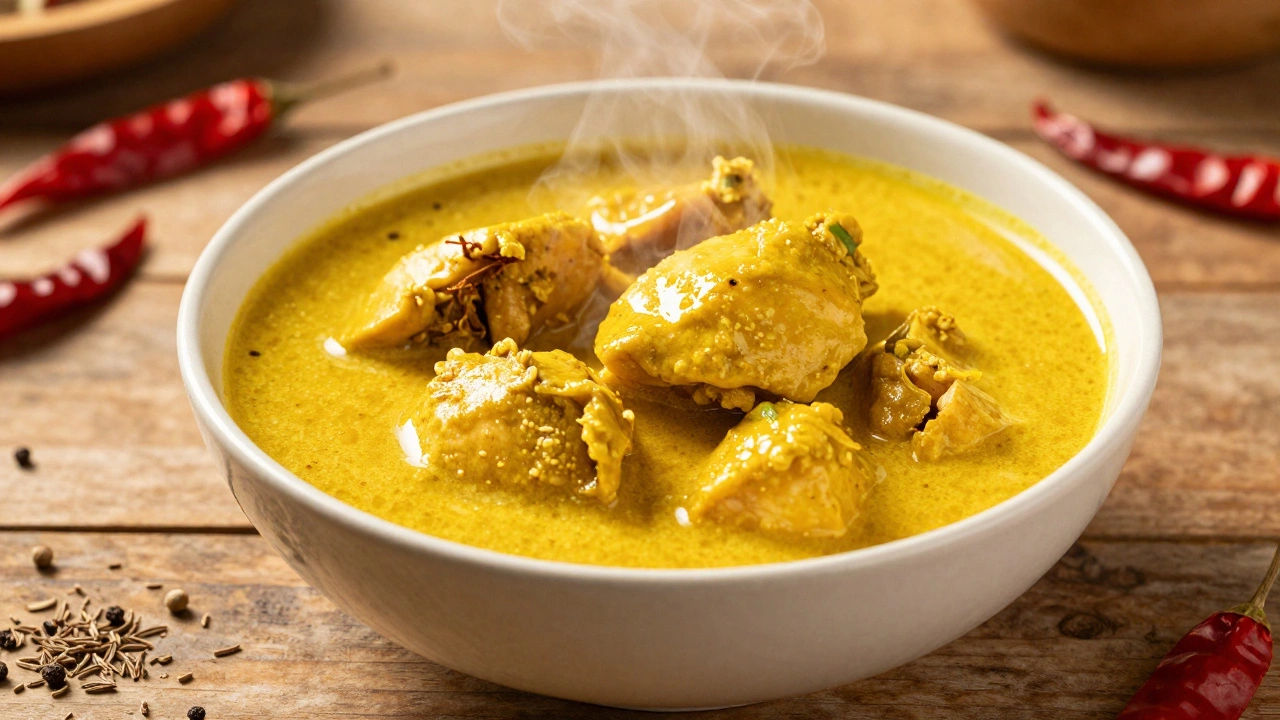
When you look at a bowl of vibrant yellow Chicken Curry, your eyes immediately lock onto the color. That golden hue screams turmeric to almost everyone. It is easy to assume that because the dish is yellow, turmeric must be the star of the show. However, flavor and color are two very different things in the kitchen. While turmeric gives curry its signature look, it is rarely the main driver of the taste profile. Think of it like the paint on a house; it makes the place look great, but the foundation and the rooms inside are what make it a home.
In my kitchen here in Auckland, I often see people reaching for a jar of curry powder and expecting a complex, layered flavor. They are disappointed because that powder is often just ground turmeric mixed with filler. Real curry is a symphony of spices, and turmeric is just one instrument in the orchestra. If you rely on turmeric alone, you get earthy bitterness and color, but you miss the heat, the citrus notes, and the deep warmth that define a good curry.
The Real Role of Turmeric
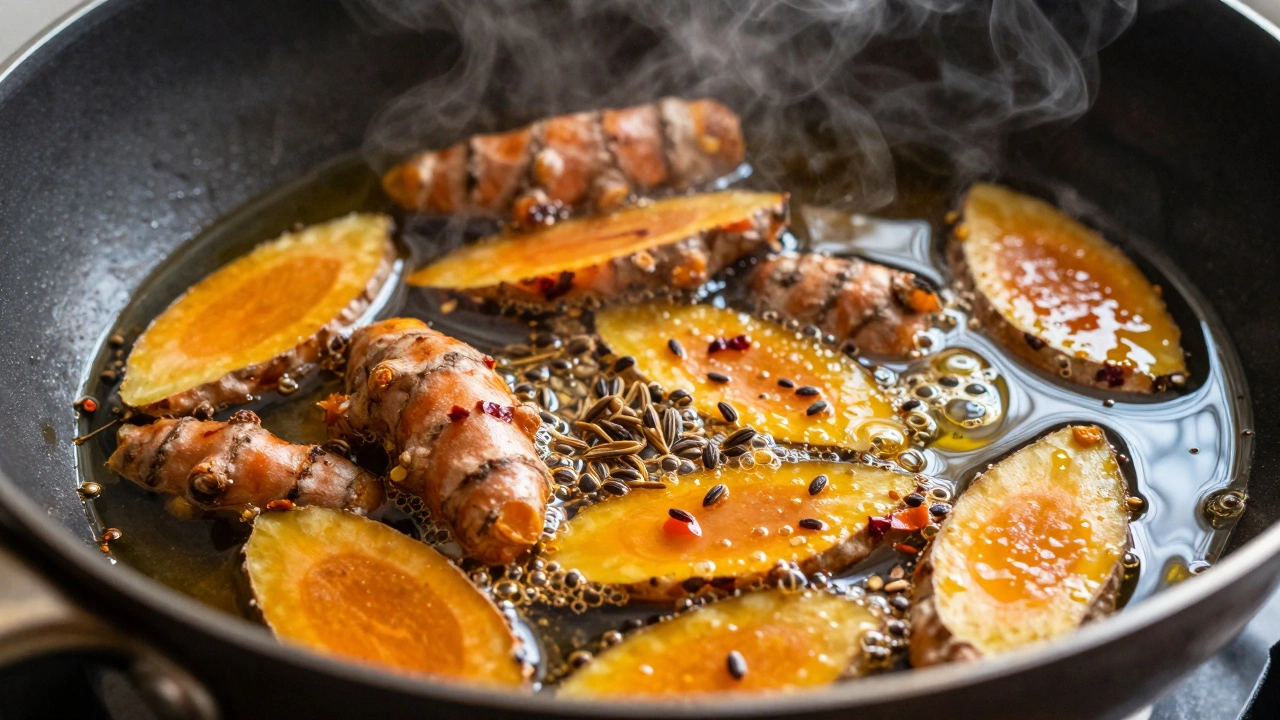
Turmeric is a rhizome, similar to ginger, that grows underground. It contains a compound called curcumin, which is responsible for that intense yellow pigment. When you cook, turmeric is added early in the process, usually with onions and garlic. This is because it needs time to release its oils and integrate into the oil base of the dish. Without oil, turmeric doesn't bloom properly, and its flavor stays dull.
The flavor of turmeric is earthy, slightly bitter, and peppery. It is not spicy in the way chili peppers are. It provides a background note that grounds the other spices. If you taste a curry that tastes overwhelmingly of turmeric, it usually means the cook didn't balance it with enough cumin or coriander. In traditional Indian cooking, turmeric is used sparingly. A quarter teaspoon per serving is often enough to color the whole pot without overpowering the palate.
There is also a health angle to consider. Many people add turmeric for its anti-inflammatory properties. While this is a great benefit, it should not dictate your cooking ratios. Cooking for flavor first ensures the dish is enjoyable, which is the primary goal of any meal. You can always boost the health benefits with fresh ginger or black pepper, which helps the body absorb curcumin.
The True MVPs of Curry Flavor
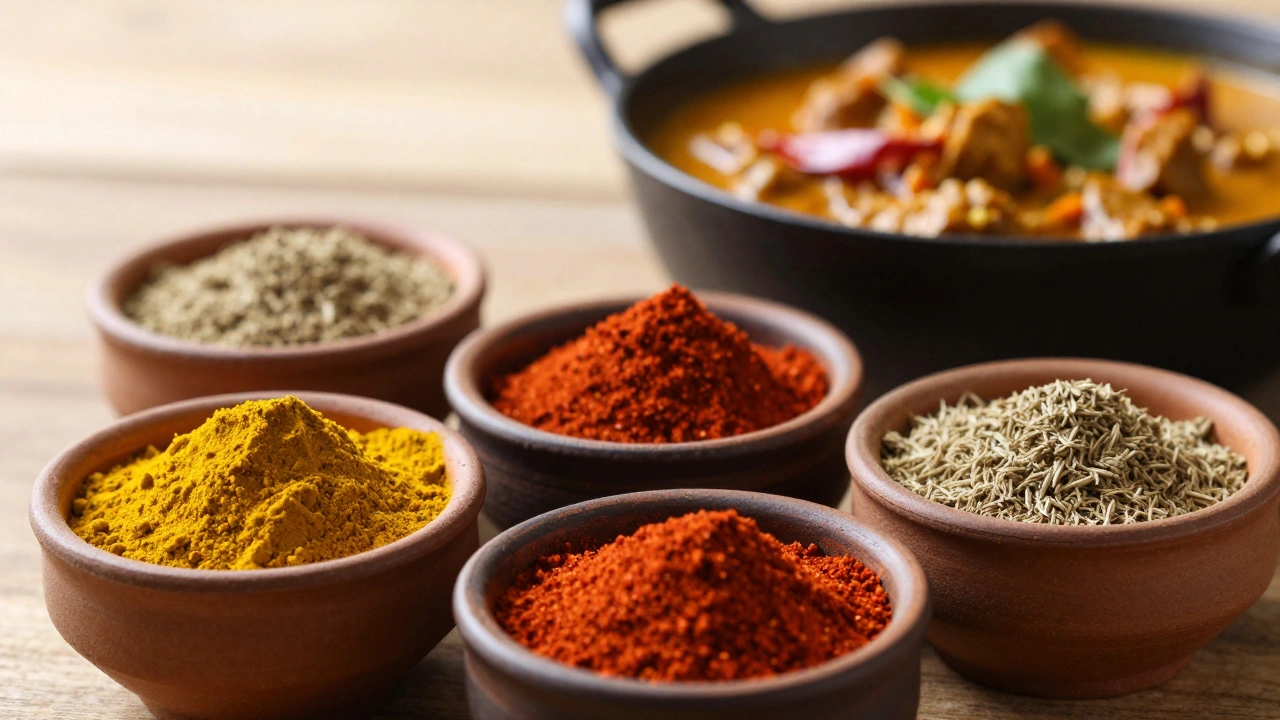
If turmeric is the color, what provides the soul? The answer lies in a combination of seeds and dried fruits. The holy trinity of curry spices usually includes Cumin, Coriander, and Chili. Cumin offers a nutty, warm aroma that hits you the moment you smell the dish. Coriander seeds bring a citrusy, lemon-like brightness that cuts through the richness of the gravy. Chili provides the heat, which can range from a gentle warmth to a fiery kick depending on the variety used.
These three spices form the base of most curry powders and pastes. When you buy a pre-made blend, check the label. Often, turmeric is listed first because it is the cheapest ingredient. Real quality blends will list cumin and coriander higher up. For a Chicken Curry, you also need aromatics. Fresh ginger and garlic are non-negotiable. They are the bridge between the raw spices and the cooked meat. Without them, the spices float on top of the sauce rather than infusing into the chicken.
Garam Masala is another critical player. This is a blend of toasted spices like cardamom, cloves, and cinnamon. Unlike the base spices, garam masala is added at the end of cooking. This preserves its volatile oils, which would otherwise evaporate if cooked for too long. Adding it at the finish gives the curry that fragrant, complex top note that makes people ask for the recipe.
| Spice | Primary Flavor | Best Added When | Role in Curry |
|---|---|---|---|
| Turmeric | Earthy, Bitter | Start (with oil) | Color & Base |
| Cumin | Nutty, Warm | Start (with oil) | Depth & Aroma |
| Coriander | Citrusy, Sweet | Start (with oil) | Brightness |
| Garam Masala | Complex, Sweet | End of Cooking | Finish & Fragrance |
| Chili | Heat, Sharp | Start or Mid | Spiciness |
Regional Variations in Curry
Curry is not a single dish; it is a category of dishes that varies wildly across regions. In North India, you will find creamy gravies with heavy use of yogurt and cream. Here, turmeric is present but masked by the richness of dairy. The focus is on the texture and the slow-cooked meat. In South India, the curries are often coconut-based and oilier. Turmeric might be more visible here because the coconut milk is white, making the yellow pop. However, the flavor still relies on mustard seeds and curry leaves.
In the UK, the curry scene is famous for its own style. The British curry powder often contains a higher ratio of turmeric than traditional Indian blends. This was partly due to supply chains in the 19th century, where turmeric was more readily available than other spices. If you are making a restaurant-style Chicken Curry inspired by British Indian cuisine, you might use more turmeric than you would in a home-style Punjabi dish. Understanding these differences helps you adjust your expectations. If your curry tastes too earthy, you might be following a British-style powder recipe when you wanted an Indian home-style one.
Even within New Zealand, the availability of spices can change the game. Fresh turmeric root is available in Asian grocers in Auckland, but many people rely on dried powder. Fresh root has a sharper, more vibrant flavor than the dried version. If you can find fresh root, grate it in. It changes the texture and the intensity of the color. It also reduces the need for as much powder, which can sometimes taste dusty.
Building Your Own Curry Blend
Why buy a jar when you can make your own? Making a curry blend gives you control over the heat and the balance. Start by toasting whole spices in a dry pan. You want to hear them pop and smell their aroma. This releases the essential oils. Once they cool, grind them into a fine powder. This is the secret to a fresh-tasting curry. Store-bought powder often loses its potency within months.
A basic ratio for a home blend is three parts coriander, two parts cumin, one part turmeric, and one part chili powder. Adjust the chili based on your tolerance. Add a pinch of black pepper to enhance the absorption of turmeric. If you want to mimic a restaurant taste, add a small amount of fenugreek seeds. Fenugreek has a distinct maple-like bitterness that is very common in restaurant curries but often missing from home blends. This small addition can make your dish taste professionally seasoned.
When you cook the chicken, marinate it with yogurt and half of your spice mix. Let it sit for at least an hour. This tenderizes the meat and infuses the flavor deep into the fibers. When you cook the gravy, use the remaining spices. This two-step process ensures the chicken itself is flavorful, not just the sauce it sits in.
Chicken Curry Specifics
When we talk about Chicken Curry, we are often talking about a specific balance of protein and sauce. Chicken is a leaner meat compared to lamb or beef. It absorbs spices quickly but can dry out if overcooked. The sauce needs to be rich enough to keep the meat moist. Turmeric helps here by adding body to the sauce, but the liquid comes from tomatoes, onions, and water or stock.
Tomatoes are a key ingredient that often gets overlooked in spice discussions. They provide acidity, which balances the earthiness of turmeric and cumin. Without enough acidity, the curry can taste flat or muddy. Fresh tomatoes or a good quality tomato puree works best. Cook the tomatoes down until they break apart and release their oil. This step is crucial for a smooth texture.
Also, consider the cut of chicken. Thighs are better than breasts for curry. They have more fat, which keeps them juicy during the long simmering process. The fat also carries the fat-soluble vitamins in turmeric, making the dish more nutritious as well as tastier. If you use breasts, cook them gently and for a shorter time to prevent them from becoming rubbery.
Common Mistakes to Avoid
One common error is adding all the spices at once. Different spices have different heat tolerances. Cumin and coriander need heat to wake up. Garam masala and turmeric can burn quickly. Burnt spices taste bitter and ruin the dish. Always add the hardier seeds first, let them sizzle for a minute, then add the powders. This technique is called blooming.
Another mistake is using too much turmeric. While it looks nice, too much turns the dish bitter. It can also stain your clothes permanently. A little goes a long way. If the color is too pale, add a pinch more next time, but don't overcorrect. The flavor should guide you, not the visual appearance. Taste the sauce before serving. Adjust salt and acid (lemon juice) at the end to brighten the flavors.
Finally, don't ignore the onions. A good curry base relies on slowly cooked onions until they are golden brown. This creates a natural sweetness that balances the heat of the chili and the earthiness of the turmeric. Rushing this step leads to a raw onion taste that clashes with the spices. Patience is the most important ingredient in a good curry.
Is turmeric spicy?
No, turmeric is not spicy in the sense of heat. It has an earthy, slightly bitter flavor. The heat in curry comes from chili peppers, not turmeric.
Can I substitute turmeric with yellow food coloring?
You can use food coloring for the look, but you will lose the flavor and health benefits. Turmeric adds a distinct taste that coloring cannot replicate.
What happens if I use too much turmeric?
Using too much turmeric makes the curry taste bitter and muddy. It can also overpower the other spices like cumin and coriander.
Is fresh turmeric better than powder?
Fresh turmeric has a brighter, sharper flavor and more moisture. Powder is more convenient and has a longer shelf life, but fresh is more potent.
Does turmeric stain clothes?
Yes, turmeric is a powerful natural dye. It can stain fabrics yellow and is difficult to remove. Wear an apron when cooking with it.
Next Steps for Your Kitchen
Now that you know turmeric is not the main spice, you can start experimenting. Buy whole spices and grind them yourself. Try making a basic chicken curry with just cumin, coriander, and chili, leaving the turmeric out for a moment. Taste the difference. Then add a pinch of turmeric back in to see how it changes the profile. Cooking is about balance, and understanding each ingredient's role helps you achieve that.
Visit a local Indian grocery store if you have one nearby. They often sell spices in bulk, which is cheaper and fresher than supermarket jars. Talk to the staff; they often have great tips on which brands are best. In Auckland, the stores in the suburbs have excellent selections. Don't be afraid to ask for samples or advice on what blends work best for your taste.
Remember, there is no single "correct" curry. Your curry should taste the way you like it. If you love the earthy taste of turmeric, use more. If you prefer the heat of chili, ramp that up. The goal is a dish that makes you happy. Use turmeric for its color and subtle flavor, but let the other spices do the heavy lifting for the taste.