Biryani Chicken Tenderness Calculator
Recipe Configuration
Tenderness Score
Ready to Calculate
Configure your recipe settings on the left and click analyze to see how tender your biryani chicken will be.
There is nothing worse than biting into a piece of chicken in your biryani and finding it tough as leather. You spent hours layering the rice, frying the onions, and mixing the spices, only to be let down by dry, chewy meat. It happens to everyone, even experienced home cooks. But getting that melt-in-your-mouth texture isn’t magic; it’s science. Specifically, it’s about how you treat the protein before it ever hits the pot.
If you want soft chicken for biryani, you need to stop thinking of the marinade as just a flavor booster. It is your primary tool for tenderizing. The combination of acidity, enzymes, and fat works together to break down muscle fibers so they stay juicy during the long cooking process. Let’s look at exactly how to do this right, from choosing the cut to the final steam.
The Cut Matters More Than You Think
Before you even open a jar of yogurt, you have to pick the right chicken. Using boneless breast meat is a common mistake if you are aiming for authentic, soft biryani. Breast meat is lean and has very little connective tissue. When cooked, especially with the slow heat of biryani, it dries out quickly because there is no fat to keep it moist.
For the best results, use bone-in, skin-on pieces. Thighs and drumsticks are ideal. The bone acts as an insulator, preventing the meat near it from overcooking, while the skin protects the flesh underneath. If you must use breast meat, keep the skin on or add extra oil to the marinade, but expect a different texture. Whole chicken cut into pieces is also excellent because it provides a mix of dark and white meat, ensuring every bite has some richness.
Can I use frozen chicken for soft biryani?
Yes, but you must thaw it completely in the refrigerator overnight. Never cook frozen chicken directly for biryani, as the ice crystals will release water during cooking, diluting your spices and making the meat watery rather than tender. Pat the thawed chicken dry before marinating to ensure the spices stick properly.
The Power of the Marinade: Acids and Enzymes
This is where the real work happens. A good biryani marinade does three things: it flavors the meat, it tenderizes it, and it creates a protective coating. To make the chicken soft, you need specific ingredients that break down proteins.
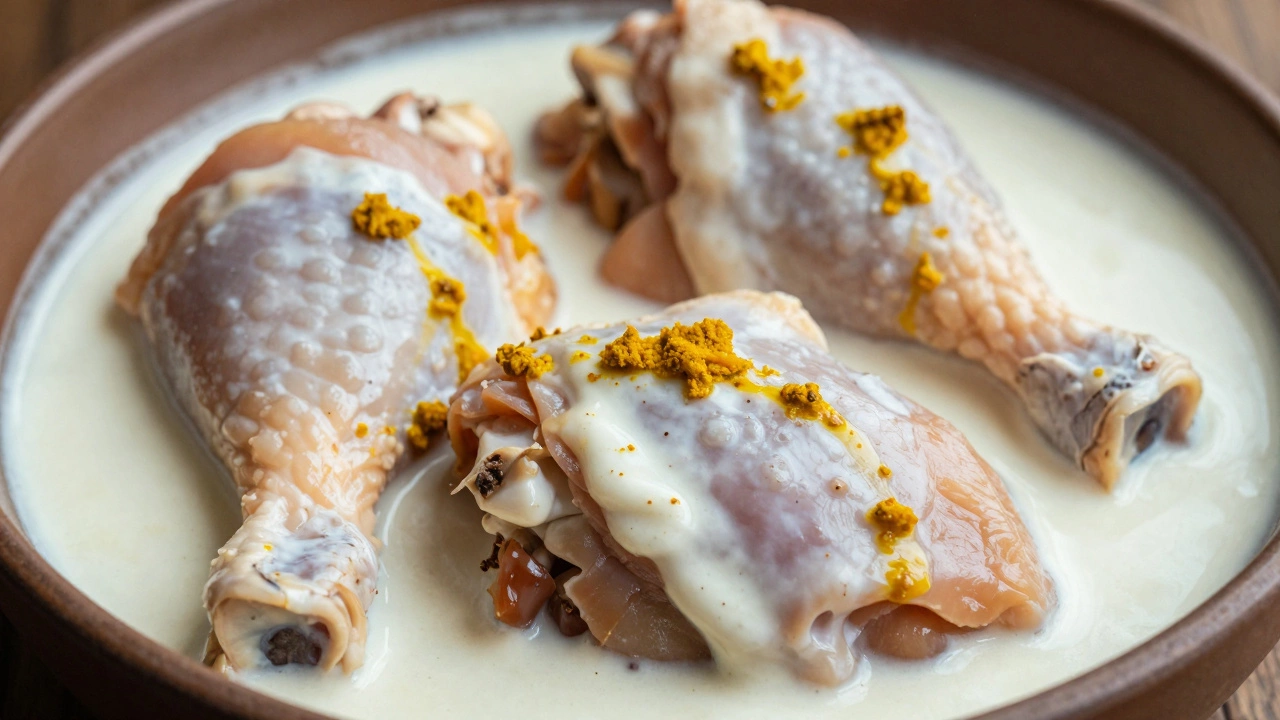
Yogurt is the star player here. Full-fat, plain yogurt contains lactic acid, which gently breaks down muscle fibers without making the meat mushy. Unlike lemon juice or vinegar, which can curdle the milk proteins and create a grainy texture if left too long, yogurt is stable. Use thick, hung yogurt if you can find it, as it clings better to the meat. Thin, runny yogurt will slide off and end up at the bottom of the pan.
Next, consider adding a natural enzyme source. Raw papaya paste or ginger-garlic paste contains enzymes like papain and bromelain that act as powerful tenderizers. Just a tablespoon of raw papaya paste mixed into your yogurt can transform tough cuts into silky morsels. Be careful not to overdo it, or the outside of the chicken might disintegrate while the inside remains raw.
Don’t forget the salt. Salt doesn’t just season; it changes the structure of the meat proteins. When you salt the chicken early, it draws out moisture, which then gets reabsorbed along with the dissolved salt. This process, known as brining, helps the muscle fibers hold onto more water during cooking, resulting in juicier meat. Mix your salt directly into the yogurt marinade and massage it well into every crevice of the chicken.
Time Is Your Best Friend
You cannot rush tenderness. If you marinate chicken for 15 minutes and then cook it, you are mostly just adding surface flavor. For softness, the acids and enzymes need time to penetrate deep into the muscle fibers. Aim for at least four hours of marination, but overnight is best. Put the chicken in the fridge and let it sit for 8 to 12 hours.
While the chicken rests, the marinade penetrates deeper, and the flavors meld together. When you take it out of the fridge, let it come to room temperature for about 20 minutes before cooking. Cold chicken hitting hot oil causes the proteins to seize up instantly, leading to toughness. Room-temperature meat cooks more evenly and stays softer.
Cooking Technique: Low and Slow
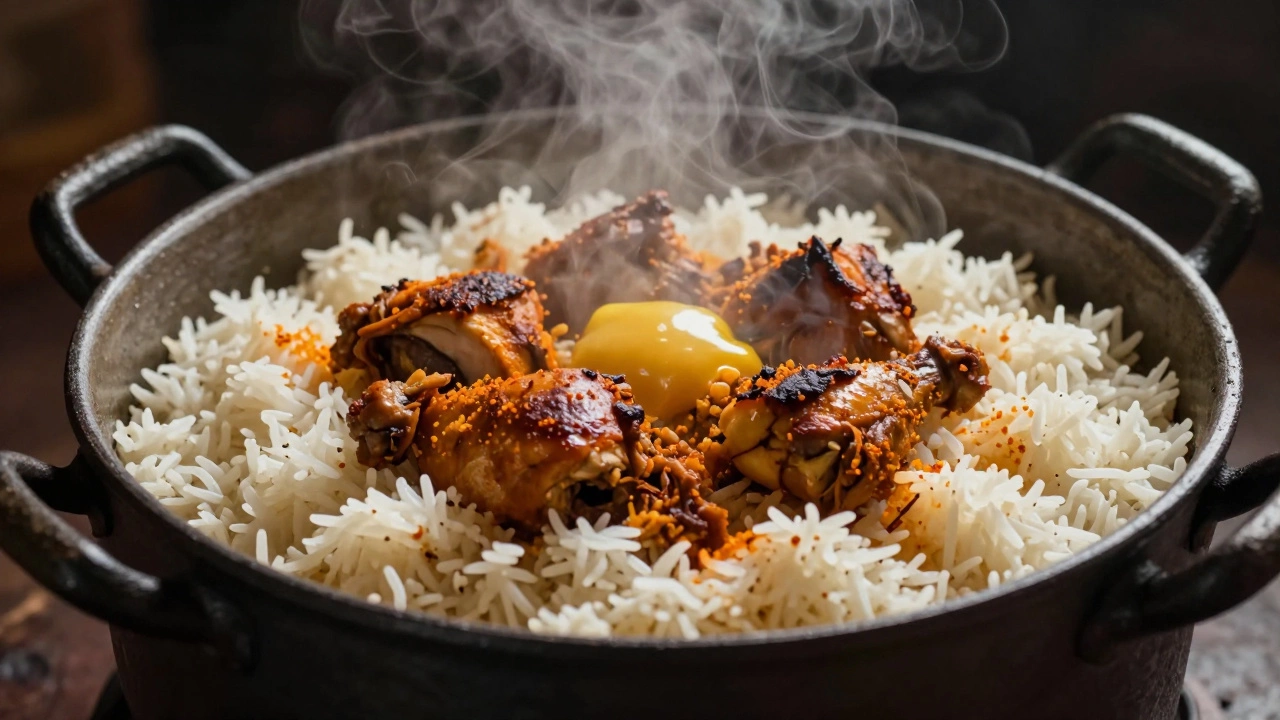
Even the best marinade can fail if you cook the chicken aggressively. Biryani is traditionally cooked using the dum method, which means sealing the pot and letting the food steam in its own juices over low heat. High heat forces moisture out of the meat rapidly, leaving it dry and stringy.
Here is how to handle the cooking phase for maximum softness:
- Sear, Don’t Fry: Heat your heavy-bottomed pot (like a handi or Dutch oven) and add oil. Sear the marinated chicken on medium-high heat until it changes color. You want to lock in the juices by creating a slight crust, but don’t brown it deeply. Once the raw pink color is gone, turn the heat down immediately.
- Add Liquid Wisely: Add a small amount of water or stock-just enough to cover the bottom of the pot, not submerge the chicken. The chicken should braise, not boil. Boiling makes meat tough.
- Layer the Rice: Spread your parboiled rice over the chicken. Do not mix them yet. The rice acts as a lid, trapping the steam generated by the chicken below.
- Seal the Pot: This is crucial. Seal the rim of the pot with dough or heavy aluminum foil. This traps all the steam inside. As the chicken steams slowly over 20-30 minutes on low heat, the collagen in the bones and connective tissues breaks down into gelatin, which coats the meat and makes it incredibly soft and rich.
| Method | Heat Level | Texture Result | Best For |
|---|---|---|---|
| Boiling | High | Tough, Dry | Avoid for Biryani |
| Frying | Medium-High | Crispy Outside, Can Be Dry Inside | Kacchi Biryani (if done carefully) |
| Braising/Dum | Low | Soft, Juicy, Melt-in-Mouth | Pakki Biryani (Recommended) |
The Role of Fat and Oil
Fat carries flavor and keeps meat moist. In biryani, we often use ghee or mustard oil. Ghee, in particular, has a high smoke point and a rich mouthfeel that coats the chicken. When you sear the chicken, ensure there is enough oil in the pan. If the pan is dry, the chicken will stick and burn, ruining the texture. Adding a dollop of ghee on top of the rice layer before sealing the pot also helps, as it drips down and lubricates the meat during the steaming process.
If you are using leaner cuts like breast meat, increase the amount of oil in the marinade. Coat each piece thoroughly. The oil barrier prevents direct heat from drying out the surface of the meat too quickly.

Common Mistakes That Ruin Texture
Even with the right ingredients, a few bad habits can lead to tough chicken. One major error is overcrowding the pot. If you put too much chicken in a small pan, the temperature drops, and the chicken starts to steam in its own released juices instead of searing. This leads to a gray, rubbery exterior. Cook in batches if necessary.
Another mistake is stirring the biryani after the dum is complete. When you open the pot, the layers are delicate. Vigorous mixing breaks the grains of rice and tears the tender chicken apart. Instead, gently fluff the top layer and serve by scooping from the bottom to the top, preserving the integrity of the meat pieces.
Finally, don’t skip the resting period. After turning off the heat, let the sealed pot sit for another 10-15 minutes. This allows the residual heat to finish cooking any undercooked spots gently and lets the juices redistribute within the meat. If you cut into it immediately, all those precious juices will run out onto the plate, leaving you with dry meat.
Summary of Steps for Soft Chicken
- Choose bone-in, skin-on thighs or drumsticks for maximum moisture.
- Marinate with full-fat yogurt, salt, and a touch of raw papaya or ginger-garlic paste.
- Let the chicken marinate in the fridge for at least 4 hours, preferably overnight.
- Bring chicken to room temperature before cooking.
- Sear quickly, then switch to low heat with minimal liquid.
- Seal the pot tightly and cook on low heat (dum) for 20-30 minutes.
- Rest the sealed pot for 10 minutes before opening.
By respecting the science of protein breakdown and the art of slow cooking, you can guarantee that your next batch of biryani features chicken that is succulent, flavorful, and undeniably soft. It takes a little more planning, but the difference in the final dish is night and day.