Yogurt Marinade Timing Calculator
Marinade Safety & Texture Checker
Enter your details to see if your chicken is ready or over-marinated.
Key Takeaways for Perfect Chicken
- Ideal window: 6 to 12 hours for maximum flavor and texture.
- Hard limit: 24 hours; beyond this, the meat texture breaks down too much.
- Minimum time: 30 minutes for a basic flavor boost.
- Storage: Always marinate in the refrigerator, never on the counter.
The Science of Yogurt and Meat
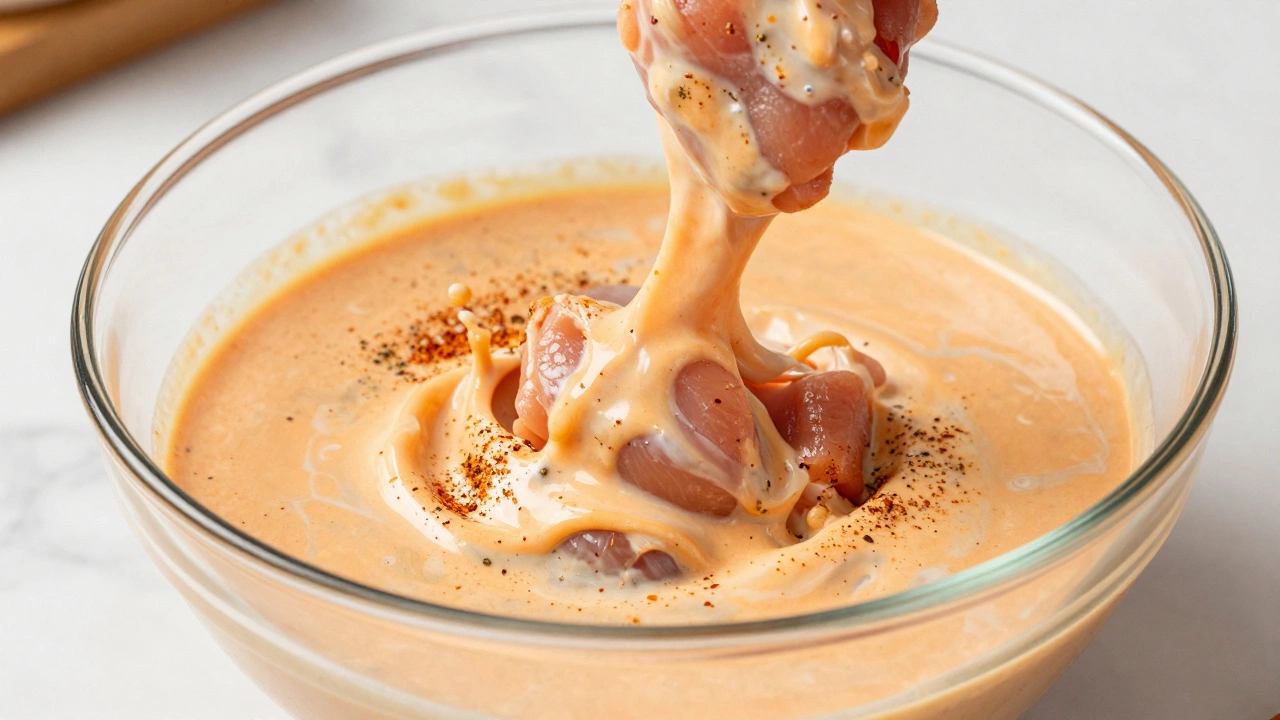
To understand the timing, you first need to understand what's happening in the bowl. Yogurt is a fermented dairy product containing lactic acid and live cultures. Unlike vinegar or lemon juice, which are highly acidic and can "cook" the outside of the meat quickly (like in ceviche), the lactic acid in yogurt is milder. This allows it to penetrate deeper into the muscle fibers without toughening the surface.
When you combine yogurt with Chicken, the acids break down the connective tissues and proteins. This is why tandoori chicken feels so tender compared to a plain grilled breast. However, if the meat sits in this acidic environment for too long, the proteins completely unravel. You end up with a mealy, mushy texture that no amount of high-heat grilling can fix.
Timing Your Marinade for the Best Results
Not every dish needs the same amount of time. Depending on the cut of meat and the recipe, your window of success shifts.
For boneless breasts or thighs, 4 to 8 hours is usually enough. Because breasts are lean, they are more susceptible to over-marinating. If you leave a chicken breast in a heavy yogurt marinade for 48 hours, the exterior will likely feel grainy. Thighs, which have more fat and connective tissue, can handle a longer soak, often peaking around the 12 to 24-hour mark.
If you're making a traditional Tandoori Chicken, which usually involves bone-in chicken, you have more leeway. The bone helps protect the integrity of the meat. For these larger cuts, a full 24 hours is often the gold standard. The yogurt helps the spices-like garam masala and Kashmiri chili-sink deep into the meat, ensuring that the flavor isn't just on the surface.
| Chicken Cut | Minimum Time | Ideal Window | Maximum Limit |
|---|---|---|---|
| Boneless Breast | 30 Minutes | 4-6 Hours | 24 Hours |
| Boneless Thighs | 1 Hour | 8-12 Hours | 24 Hours |
| Bone-in Legs/Thighs | 2 Hours | 12-24 Hours | 36 Hours |
Critical Food Safety Rules
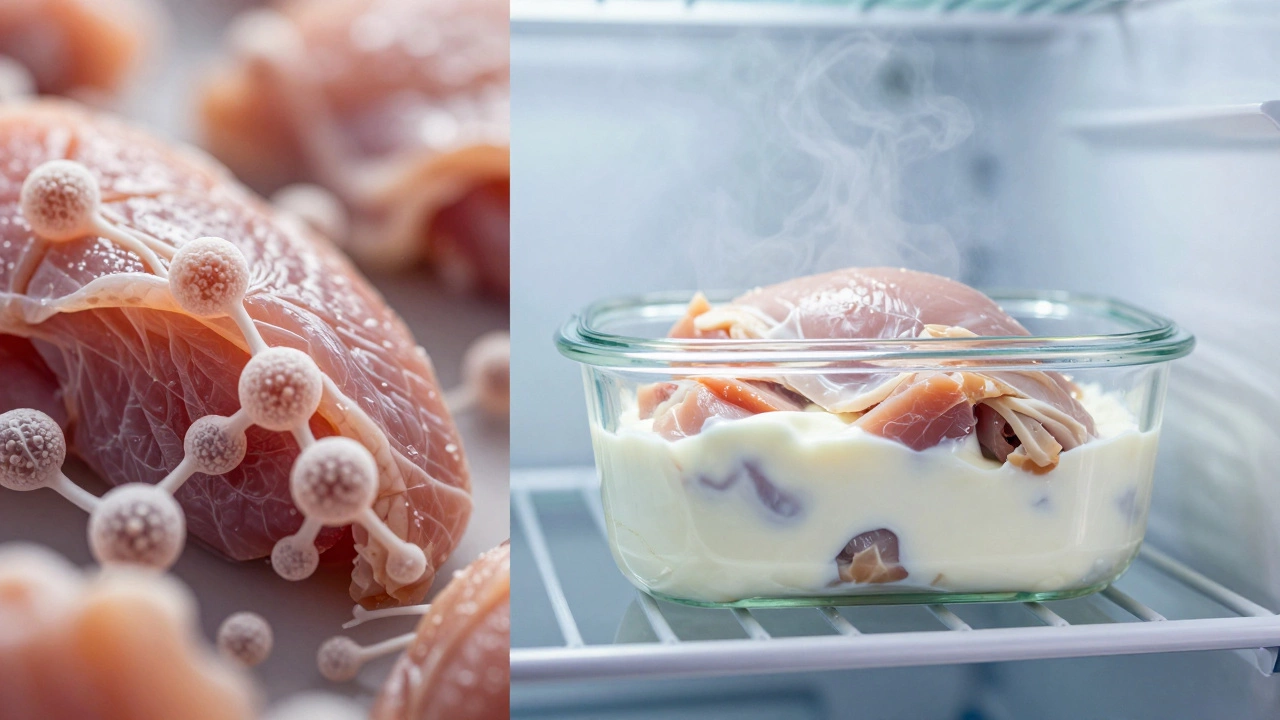
Timing isn't just about texture; it's about not getting sick. Salmonella is a common bacterium found in raw poultry that can cause food poisoning. Yogurt is a moist environment, and while the lactic acid provides some inhibition, it is not a preservative. Bacteria thrive in the "Danger Zone," which is between 40°F and 140°F (4°C to 60°C).
Never marinate chicken on your kitchen counter. Even if it's a warm day in Auckland, the meat must stay chilled. Always use a sealed glass or food-grade plastic container. Avoid using metal bowls if your marinade contains a lot of lemon juice or salt, as the acid can occasionally react with certain metals and leave a metallic taste in your food.
If you've left your chicken in the marinade for more than 48 hours, it's time to be honest with yourself: throw it out. Even if it smells okay, the bacterial load could be high, and the texture will be ruined regardless.
How to Fix Common Marinating Mistakes
We've all been there-you realize you've over-marinated the meat or you're in a rush. Here is how to handle those scenarios.
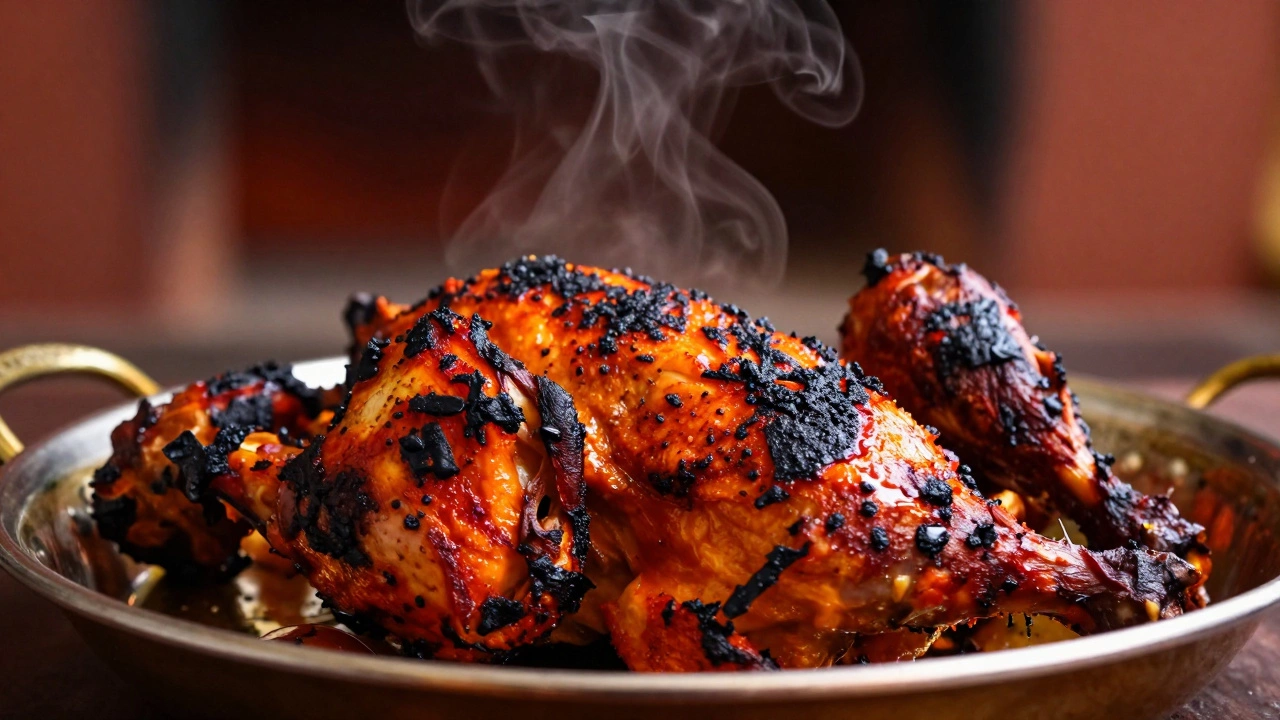
If you find your chicken has been marinating for 36 hours and feels a bit too soft, don't panic. The best way to save it is to use high, direct heat. Whether you're using an oven at its highest setting, a grill, or an actual tandoor, the intense heat will sear the outside quickly, creating a crust that hides some of the textural loss. Pat the excess yogurt off with a paper towel before cooking; otherwise, the yogurt will steam the meat instead of searing it.
On the flip side, if you only have 30 minutes, you can speed up the process. Instead of leaving the chicken whole, slice the meat into smaller strips or cubes. This increases the surface area, allowing the Lactic Acid and spices to work their magic much faster. Poking small holes in the meat with a fork can also help the marinade penetrate deeper in a shorter amount of time.
The Role of Other Ingredients
Yogurt rarely travels alone. Most recipes add lemon juice, vinegar, or heavy salt. These additions change the chemistry. Salt, in particular, acts as a brine. If your marinade is very salty, it will draw moisture out of the chicken and then push it back in, which accelerates the tenderizing process. This means you might need to reduce your marinating time by a few hours to avoid the meat becoming too soft.
If you are using a very thick, Greek-style yogurt, the marinade will cling better to the meat, which is great for the oven. A thinner, plain yogurt might seep into the bottom of the bowl, meaning the top of the chicken doesn't get as much exposure. For the best results, toss the chicken and yogurt together thoroughly in a bowl before transferring them to a container.
Can I freeze chicken in a yogurt marinade?
Yes, you can. In fact, this is a great meal-prep hack. Place the chicken and marinade in a freezer-safe bag. The marinating process essentially stops while frozen and resumes as the meat thaws in the refrigerator. Just remember that the thawing time counts toward your total marination window, so don't let it thaw for more than 24 hours.
Why is my yogurt-marinated chicken mushy?
This usually happens because the chicken was left in the marinade for too long. The lactic acid in the yogurt broke down the protein structures completely. To prevent this, stick to the 24-hour limit for most cuts and use a timer if you're unsure.
Do I need to wash off the yogurt before cooking?
Do not wash it off! The yogurt is what gives tandoori chicken its signature flavor and charred exterior. However, you should gently shake off any massive clumps of yogurt so that the meat can brown properly rather than boiling in a pool of dairy.
Can I use sour cream instead of yogurt?
You can, but the results will be different. Sour cream has a different fat content and a different type of acidity. It will tenderize the meat, but it won't provide the same authentic tang and "char" that yogurt provides in Indian recipes.
Is it safe to reuse the marinade after the chicken has been in it?
Absolutely not. Once raw chicken touches the yogurt, the marinade is contaminated with raw meat juices. Unless you boil the marinade thoroughly for several minutes, it should be discarded to avoid cross-contamination.
Next Steps for Your Meal
Once your timing is sorted, the focus shifts to the heat. If you're using a home oven, set it to "broil" or a very high temperature (around 230°C/450°F) to mimic the intense heat of a tandoor. This ensures that the yogurt caramelizes and creates those beautiful dark spots without overcooking the inside.
If you find the chicken is drying out, consider a "double marinade." Many professional chefs first marinate the chicken in lemon juice and salt for 20 minutes to clean the meat and open the pores, then rinse it and apply the yogurt-based marinade. This creates a deeper layer of flavor and a more consistent texture throughout the meat.