Dal Soaking Time Calculator
Select your lentil type and water temperature to get the recommended soaking duration and cooking tips.
Select options and click Calculate to see results.
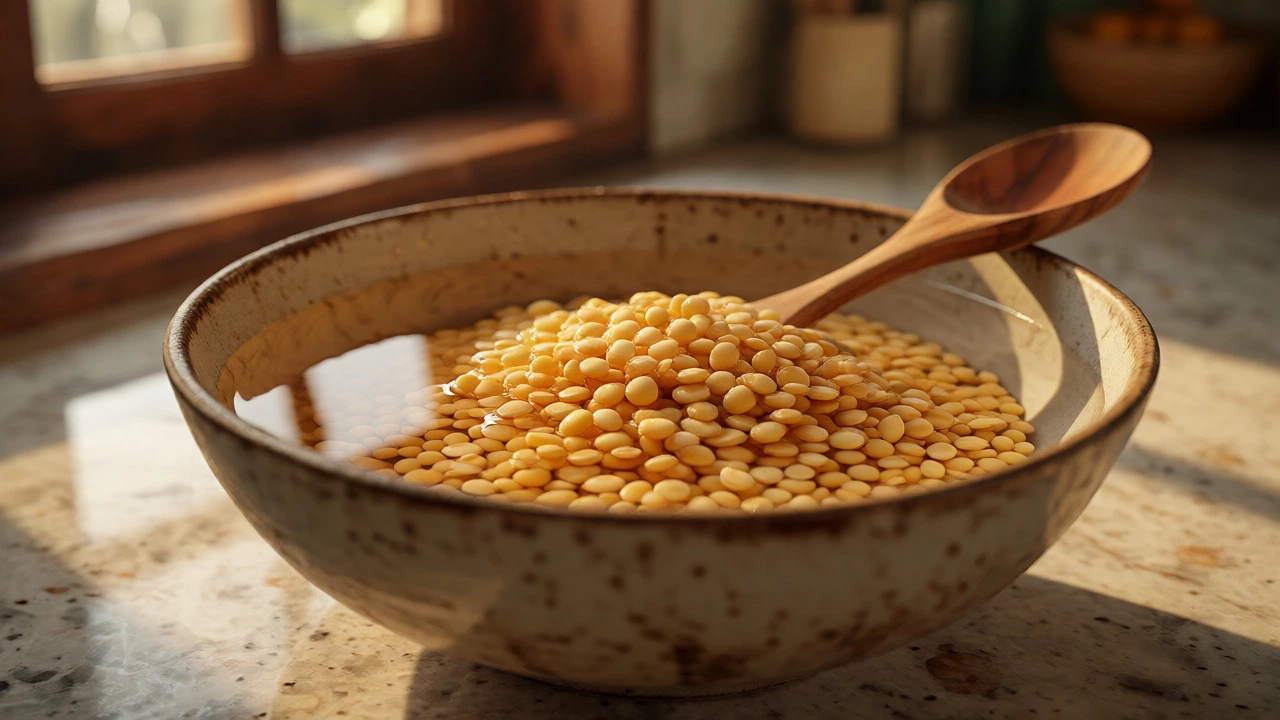
You’ve probably heard it from your grandmother or read it in a recipe: "Soak the dal." But then you stare at the bowl of water and lentils, wondering if an hour is enough, if overnight is too long, or if you can skip it entirely because you’re already late for dinner. Here’s the truth: soaking isn’t just a ritual; it’s chemistry. It changes how fast your dal cooks, how easy it is to digest, and even how creamy it turns out.
If you skip this step, you might end up with gritty, undercooked pulses that sit heavy in your stomach. If you soak them wrong, they might turn into mush before they hit the pot. The answer depends on what kind of lentil you are using. A quick moong dal needs way less time than a stubborn rajma (kidney bean). Let’s break down exactly how long you should soak different types of dal so you never guess again.
Why Does Soaking Actually Matter?
Before we get to the times, let’s talk about why you bother. Dried legumes contain anti-nutrients like phytic acid and oligosaccharides. Phytic acid binds to minerals like iron and zinc, making them harder for your body to absorb. Oligosaccharides are the sugars responsible for gas and bloating. When you soak dal, you start breaking these down before you even light the stove.
There is also a practical reason: speed. Unsoaked lentils can take 45 minutes to cook. Soaked ones often finish in 15-20 minutes. That’s a huge difference when you’re trying to get dinner on the table after work. Plus, soaked lentils cook more evenly. You won’t have some beans turning to paste while others remain hard in the center.
The Golden Rule: Small vs. Large Pulses
Not all dals are created equal. The size of the pulse determines how much water it needs to absorb. Think of it like rehydrating dried fruit-a raisin gets plump quickly, but a whole apricot takes longer. The same logic applies here.
For small, split lentils like Moong Dal (yellow mung beans) or Masoor Dal (red lentils), you don’t need hours. These are delicate. They absorb water rapidly. Soaking them for 30 minutes to 1 hour is usually plenty. In fact, many people skip soaking red lentils entirely because they cook so fast. If you do soak them, keep it short, or they’ll fall apart too easily during cooking.
Medium-sized pulses like Toor Dal (split pigeon peas) or Chana Dal (split chickpeas) need more time. Aim for 2 to 4 hours. This gives the outer skin enough time to soften without compromising the texture inside. If you’re in a rush, hot water soaking can cut this time in half, but be careful not to cook them prematurely.
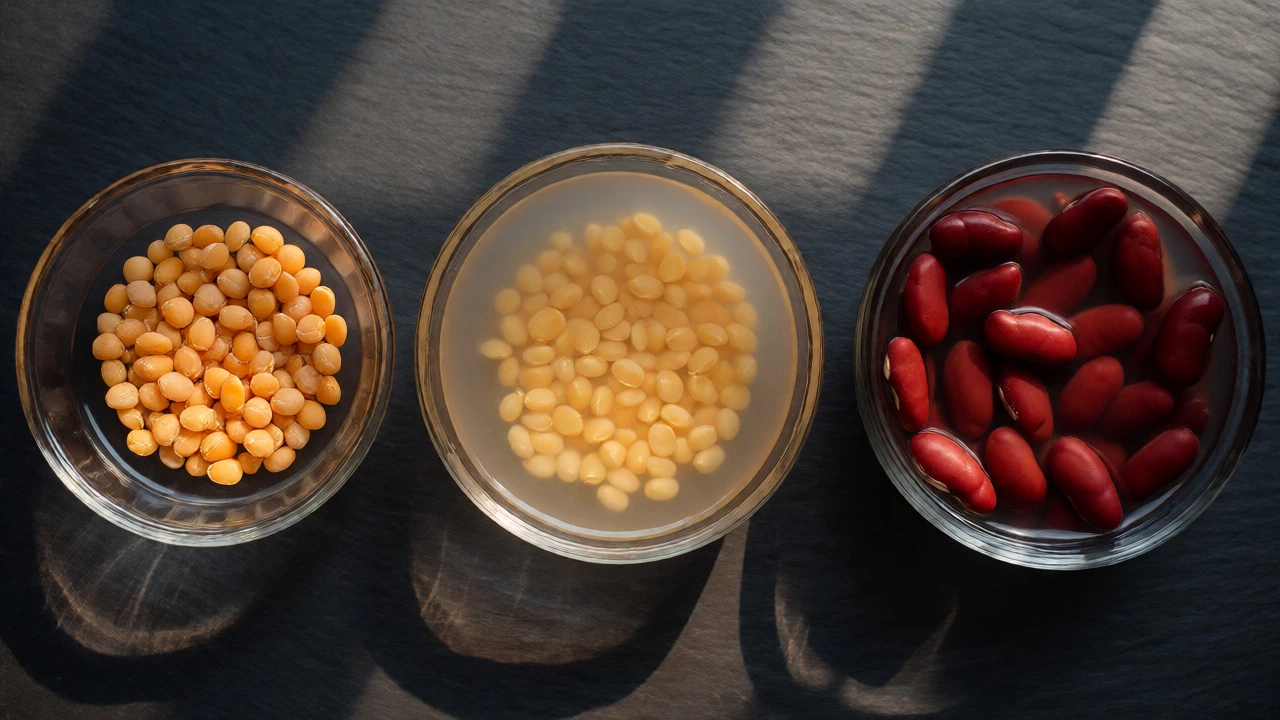
Large pulses and whole beans are the divas of the lentil world. Rajma (kidney beans), Kabuli Chana (chickpeas), and whole black gram (Urad Dal) need serious hydration. Overnight soaking-8 to 12 hours-is non-negotiable for best results. If you try to rush these, you’ll either burn your stove trying to boil them dry or end up with beans that are still chalky in the middle.
Soaking Times by Type: A Quick Cheat Sheet
Here is a breakdown to help you plan your meal prep. Remember, these times are for room-temperature water. If you use warm water, reduce the time by half.
| Dal Type | Recommended Soak Time | Cooking Notes |
|---|---|---|
| Moong Dal (Yellow) | 30 mins - 1 hour | Cooks very fast. Do not over-soak or it becomes mushy. |
| Masoor Dal (Red) | Optional (0-30 mins) | Naturally soft. Can be cooked directly from dry. |
| Toor Dal (Pigeon Pea) | 2 - 4 hours | Standard daily dal. Soaking ensures creamy texture. |
| Chana Dal (Split Chickpea) | 4 - 6 hours | Firmer than Toor. Needs good hydration for even cooking. |
| Rajma (Kidney Beans) | 8 - 12 hours (Overnight) | MUST be soaked. Undercooked kidney beans can be toxic. |
| Kabuli Chana (Chickpeas) | 8 - 12 hours (Overnight) | Essential for hummus or curries. Long soak breaks skins. |
| Urad Dal (Black Gram) | 6 - 8 hours | Used for dosa/idli batter or thick dals. Needs thorough soak. |
Can You Skip Soaking Altogether?
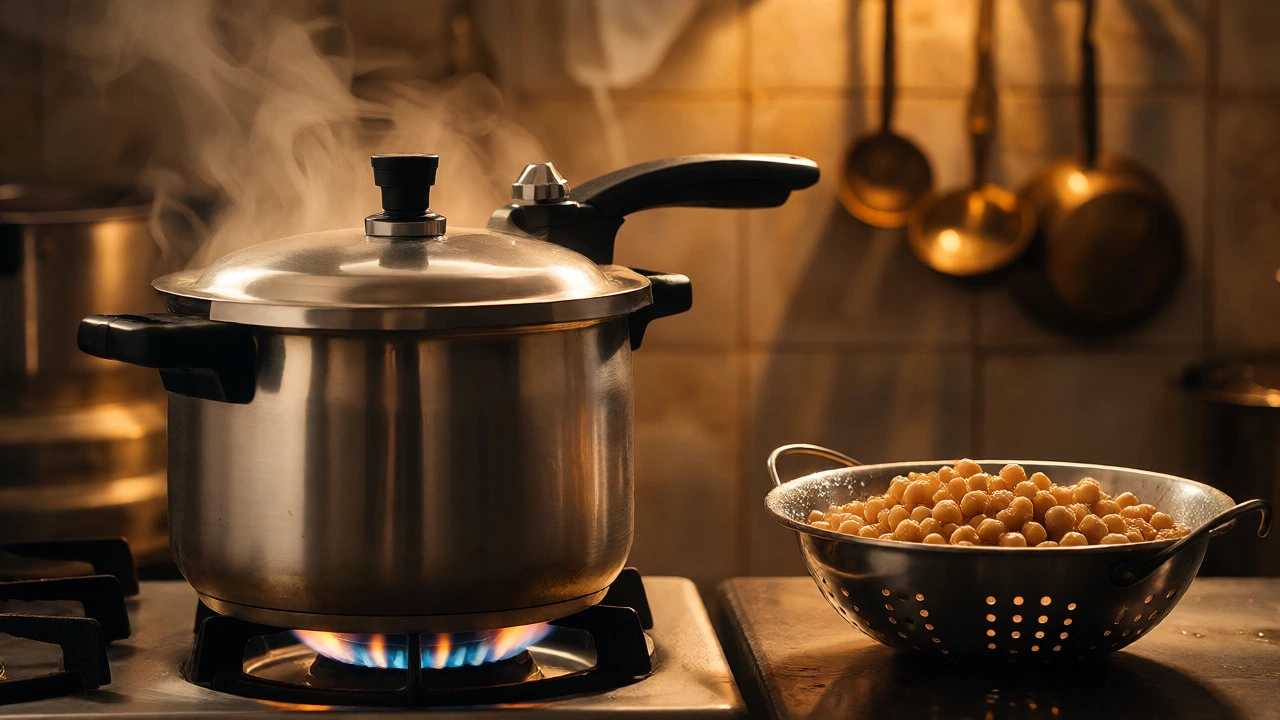
Yes, but there are trade-offs. If you forget to soak your Toor Dal in the morning, you can still make it for dinner. Just add extra water and expect a longer cook time. Use a pressure cooker if you have one-it makes skipping soaking much easier. For red lentils (Masoor), skipping is totally fine. They are designed to dissolve quickly.
However, for larger beans like Rajma or Chickpeas, skipping soaking is risky. Not only does it double the cooking time, but it also increases the likelihood of digestive discomfort. The anti-nutrients haven’t had time to leach out into the soaking water. If you must skip it, consider adding a pinch of baking soda to the boiling water. It helps soften the skins faster, though it can slightly alter the flavor if you use too much.
Pro Tips for Better Results
One common mistake is using too little water. Lentils expand significantly as they soak. Always cover them with at least two inches of water above the level of the dal. If the water looks cloudy or foamy after a few hours, change it. This removes some of the gases and impurities.
Another tip: drain and rinse thoroughly before cooking. Don’t cook in the soaking water unless you want a stronger, earthier taste. Fresh water leads to a cleaner-tasting dal. Also, never add salt until the dal is fully cooked. Salt tightens the skins of the legumes, making them resist softening. Add it at the end, along with your tempering (tadka).
If you live in a cold climate, like Auckland winters, soaking times might need a slight extension. Cold water slows down absorption. Keep your bowl in a warmer part of the kitchen, or use lukewarm water to kickstart the process. Conversely, in hot weather, don’t leave dal soaking for more than 8 hours at room temperature, or it might start fermenting and smell sour.
Troubleshooting Common Issues
My dal is still hard after soaking. Did you soak it long enough? Older lentils (harvested more than a year ago) take longer to hydrate. Try extending the soak by another hour or using a pressure cooker with extra water.
My dal turned to mush. You likely over-soaked smaller varieties like Moong or Masoor. Next time, reduce the soaking time or cook them on lower heat. Mushy dal can still be delicious if you blend it into a soup or use it as a base for a thicker gravy.
The dal tastes bitter. This sometimes happens with large beans if they weren’t rinsed well after soaking. The soaking water contains tannins and other compounds that can taste bitter. Always discard that water and rinse the beans with fresh tap water before cooking.
Do I need to soak red lentils (Masoor Dal)?
No, it is not necessary. Red lentils have their skins removed and are split thin, so they cook very quickly (usually within 15-20 minutes) even without soaking. However, a quick 15-minute rinse and soak can help remove dust and make them cook slightly more evenly, but it’s optional.
Is it safe to soak dal overnight?
Yes, soaking most dals overnight (8-12 hours) is safe and recommended for larger pulses like kidney beans and chickpeas. However, if you live in a very hot climate, store the bowl in the refrigerator to prevent fermentation or bacterial growth. For smaller dals like moong, overnight soaking can make them too soft, so limit it to 4-6 hours.
What if I forgot to soak my dal?
You can use the "quick soak" method. Put the dal in a pot, cover with water, bring to a boil for 2-3 minutes, then remove from heat, cover, and let it sit for an hour. This jump-starts the hydration process. Alternatively, just proceed with cooking, but add extra water and expect a longer cooking time, especially if using a regular pot instead of a pressure cooker.
Does soaking affect the nutritional value of dal?
Yes, positively. Soaking reduces phytic acid, which improves the bioavailability of minerals like iron and zinc. It also breaks down complex sugars that cause gas, making the protein easier to digest. While some water-soluble vitamins may leach into the soaking water, the overall nutrient absorption benefit outweighs this minor loss.
Should I throw away the soaking water?
It is generally recommended to discard the soaking water and rinse the dal before cooking. The water contains dissolved anti-nutrients, dirt, and compounds that can contribute to flatulence. Using fresh water for cooking results in a cleaner taste and better digestion.