Biryani Layering Master
There is nothing quite like the aroma of a perfectly cooked biryani filling your kitchen. It’s a dish that commands respect. But there is also nothing more disappointing than opening the lid to find dry, crumbly rice or mushy, flavorless meat. If you have ever struggled to get that restaurant-quality result at home, you are not alone. The gap between good and great often comes down to avoiding a few specific, common pitfalls.
Biryani is a layered rice dish originating from the Indian subcontinent, known for its aromatic spices and slow-cooking technique called dum pukht. Making it requires precision. It is not just about throwing ingredients into a pot. It is about managing moisture, heat, and timing. Let’s look at the most frequent errors cooks make and how to fix them so your next batch is flawless.
The Parboiling Problem: Overcooking the Base
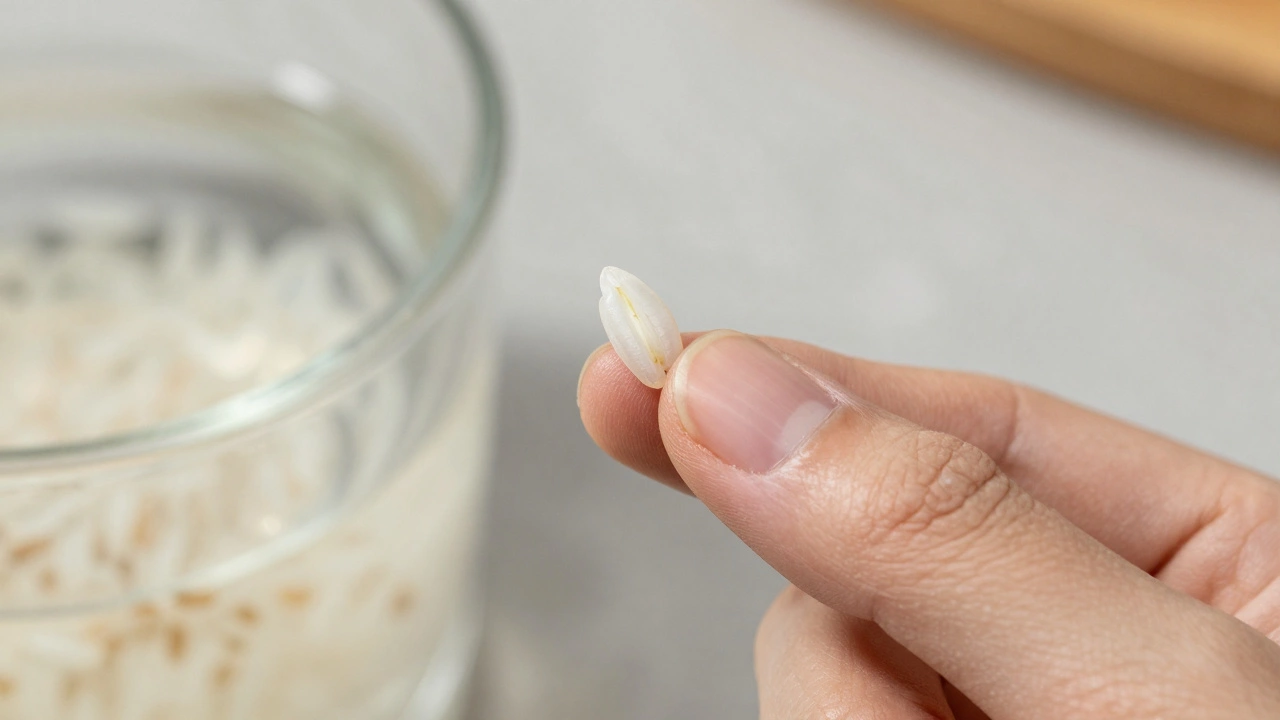
The single biggest mistake people make is overcooking the rice during the initial parboiling stage. Many recipes tell you to boil the rice until it is "70% done." This is vague and dangerous. If you wait until the grains feel soft or fully translucent, they will turn to mush when layered and steamed later. You want the rice to be firm, with a hard core in the center.
To avoid this, use the "bite test." Take a grain out after 3-4 minutes (depending on your rice variety) and bite into it. It should snap cleanly but still have a distinct raw hardness in the middle. Drain it immediately into cold water to stop the cooking process. This shock helps maintain the grain's structure. Using Basmati rice aged for at least one year is crucial here, as older rice has less starch and holds its shape better under pressure.
Ignoring the Marinade Time
Rushing the marinade is another silent killer of flavor. A quick 15-minute soak does not allow the spices to penetrate the meat or vegetables deeply. The acid in the marinade-usually yogurt or lemon juice-needs time to break down tough fibers and tenderize the protein. Without sufficient time, the outer layer might taste spicy, while the inside remains bland and chewy.
Aim for at least two hours of marination, preferably overnight in the refrigerator. For chicken, this allows the ginger-garlic paste and whole spices to infuse every fiber. For mutton or lamb, which are tougher cuts, overnight marination is non-negotiable. The yogurt acts as a buffer against direct heat, keeping the meat juicy even during the high-heat searing phase. Do not skip the salt in the marinade either; it draws out moisture initially but then reabsorbs the flavorful liquid back into the meat.
Searing vs. Steaming: The Maillard Reaction
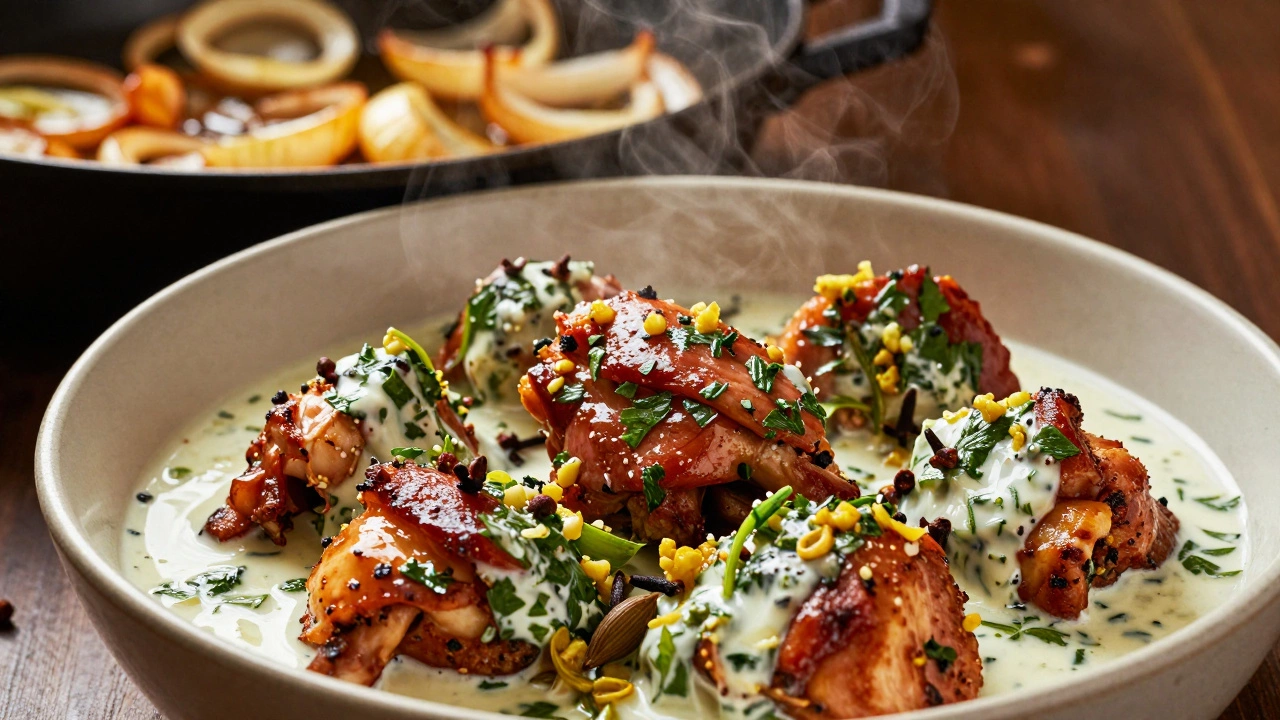
Many home cooks try to steam the meat directly with the rice to save time. This results in boiled, grey meat that lacks depth. You need to sear the marinated meat first. This step triggers the Maillard reaction, creating complex savory flavors and a rich brown color that permeates the entire dish. Boiling never achieves this.
Use a heavy-bottomed pan or a Dutch oven. Sear the meat on high heat until it develops a crust. Add onions fried to a deep golden brown during this stage. These fried onions, or birista, add sweetness and texture contrast. Once seared, remove the meat and let it cool slightly before layering. This ensures the residual heat doesn't start cooking the rice prematurely when you assemble the layers.
Layering Logic: Creating Moisture Barriers
Layering is not random. It is a strategic arrangement designed to control steam distribution. A common error is placing all the meat at the bottom and all the rice on top without any separation. This causes the bottom rice to burn and the top rice to remain undercooked. You need to create alternating layers that allow steam to circulate evenly.
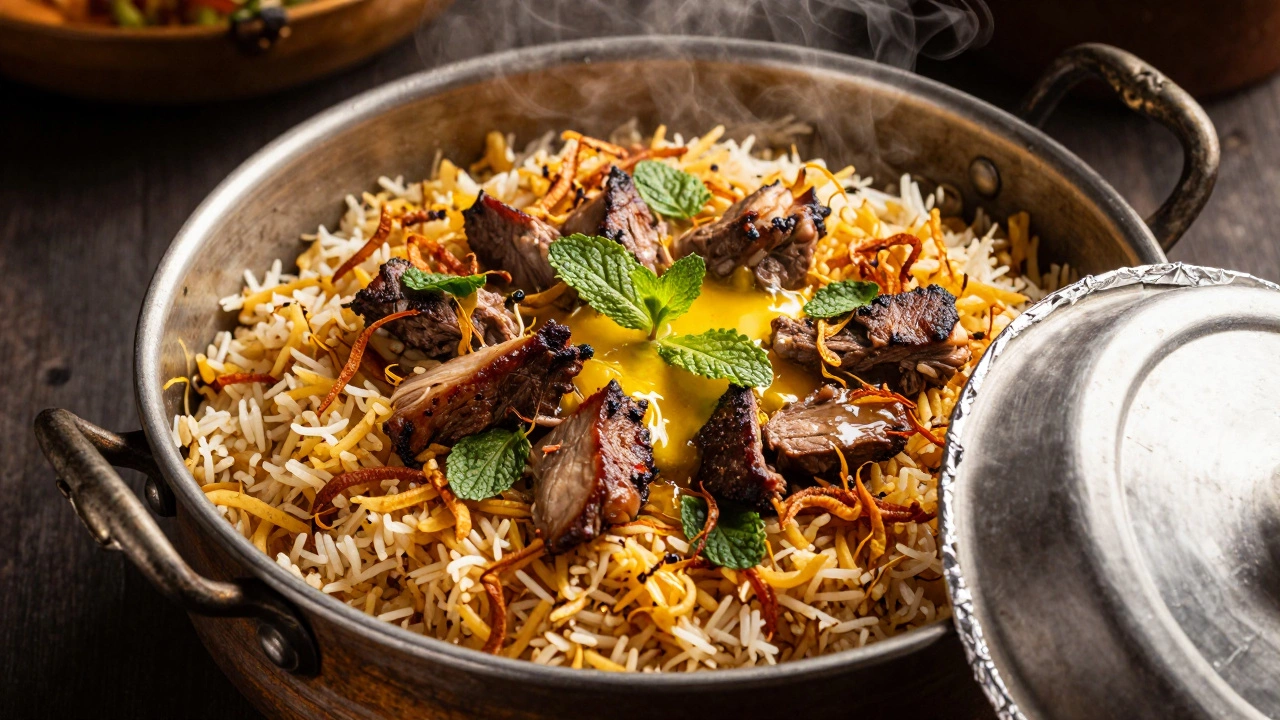
Start with a layer of partially cooked rice. Follow with a layer of the seared meat mixture. Sprinkle herbs like mint and coriander leaves, along with saffron milk infused with rose water. Add another thin layer of rice. Finally, top with fried onions and ghee. The ghee acts as a lubricant, preventing sticking and adding richness. Each layer should be pressed down gently but not compacted too tightly, allowing space for steam expansion.
| Layer Order | Component | Purpose |
|---|---|---|
| 1 (Bottom) | Parboiled Rice (Thin Layer) | Prevents burning, creates base |
| 2 | Marinated Meat Mixture | Main protein source |
| 3 | Fresh Herbs & Saffron Milk | Aroma and color infusion |
| 4 | Remaining Parboiled Rice | Steam capture vessel |
| 5 (Top) | Fried Onions & Ghee | Flavor barrier and richness |
The Dum Pukht Technique: Sealing the Steam
Dum pukht is the traditional slow-cooking method where the pot is sealed to trap steam. A major mistake is using a loose-fitting lid or skipping the sealing dough entirely. If steam escapes, the rice dries out, and the meat toughens. The goal is to create a self-contained ecosystem where moisture recycles through the dish.
If you do not have a heavy-handled handi or a tight-fitting Dutch oven, you can simulate the seal. Place a sheet of aluminum foil over the rim of the pot, then place the lid on top. Weigh it down with bricks or heavy pots if necessary. Alternatively, make a simple dough using wheat flour and water, spread it around the rim of the lid, and press it onto the pot. This creates an airtight seal. Cook on low heat for 20-30 minutes. The gentle steam penetrates the rice, making it fluffy and aromatic without breaking the grains.
Spice Balance: Overpowering vs. Underseasoning
Biryani relies on whole spices, not just ground powders. A common error is relying solely on red chili powder and turmeric, resulting in a flat, one-dimensional flavor profile. You need warmth from cinnamon sticks, cloves, cardamom pods, and bay leaves. These spices release their oils slowly during the dum process.
Toasted whole spices should be lightly crushed, not pulverized into dust. This allows you to fish them out later if desired, while still imparting their essence. Use garam masala sparingly towards the end of cooking to preserve its volatile aromatics. Adding too much early can lead to bitterness. Balance heat with sweetness from fried onions and acidity from a splash of lemon juice added right before serving.
Mixing Too Early: The Texture Killer
Patience is the final virtue. When the cooking time is up, resist the urge to fluff the rice immediately. Let the pot rest for 10-15 minutes off the heat. This allows the steam to settle and the grains to firm up slightly. If you open the lid and mix vigorously right away, you break the delicate structure of the rice, leading to a soggy mess.
Gently fold the layers together using a fork rather than a spoon to minimize pressure on the grains. Serve immediately while hot. Biryani is best enjoyed fresh, as reheating can alter the texture significantly. By mastering these steps-proper parboiling, adequate marination, correct layering, and effective sealing-you transform a risky endeavor into a consistent triumph.
Why does my biryani rice turn out sticky?
Sticky rice usually results from washing the rice insufficiently to remove excess starch, or overcooking it during the parboiling stage. Ensure you rinse the Basmati rice until the water runs clear, and drain it as soon as the grains are 70% cooked with a hard core.
Can I make biryani in a pressure cooker?
Yes, but you must adjust the liquid ratios and cooking time. Pressure cookers trap steam efficiently, so you need less water than the traditional dum method. Parboil the rice for only 50-60%, then layer and pressure cook for 2 whistles on low heat. Avoid shaking the cooker afterward.
What is the purpose of adding ghee on top?
Ghee serves multiple purposes: it adds richness and flavor, prevents the top layer of rice from drying out, and helps create a slight crust known as 'khasta' if cooked correctly. It also acts as a barrier that keeps the moisture contained within the layers below.
How do I prevent the bottom layer from burning?
Place a small piece of bread or a heat-resistant plate at the bottom of the pot before adding the first layer of rice. This creates a physical barrier between the rice and the direct heat source. Also, ensure the flame is kept very low during the dum phase.
Should I use raw or fried onions in biryani?
Fried onions (birista) are essential for authentic flavor. They provide sweetness, crunch, and a deep caramelized note that balances the heat of the spices. Raw onions can become bitter and overpower the subtle aromas of the saffron and herbs.