Chicken Curry Flavor Architect
Master the architecture of flavor. Understand when to add each ingredient for a perfect, non-bitter, aromatic curry.
1. The Essential Toolkit
2. Test Your Knowledge
Quiz Results
You know that smell? The one that hits you when you walk past an Indian restaurant or a neighbor's kitchen on a Sunday afternoon. It’s not just "spicy"-it’s complex, warm, and inviting. But if you try to replicate it at home with random jars from the back of your pantry, you often end up with something flat, bitter, or just... sad. Why does this happen? Because chicken curry isn't about throwing everything into a pot. It’s about understanding the architecture of flavor.
Most people think curry is a single dish. It’s not. It’s a method. And like any good method, it relies on specific building blocks. If you miss one, the whole structure wobbles. I’ve spent years tweaking recipes in my Auckland kitchen, dealing with everything from overly salty store-bought pastes to burnt garlic disasters. What I’ve learned is simple: master the essentials, and you can make anything. Here is exactly what you need to have on hand to turn basic chicken pieces into a meal that tastes like it came from a professional tandoor or a grandmother’s stove.
The Holy Trinity of Aromatics
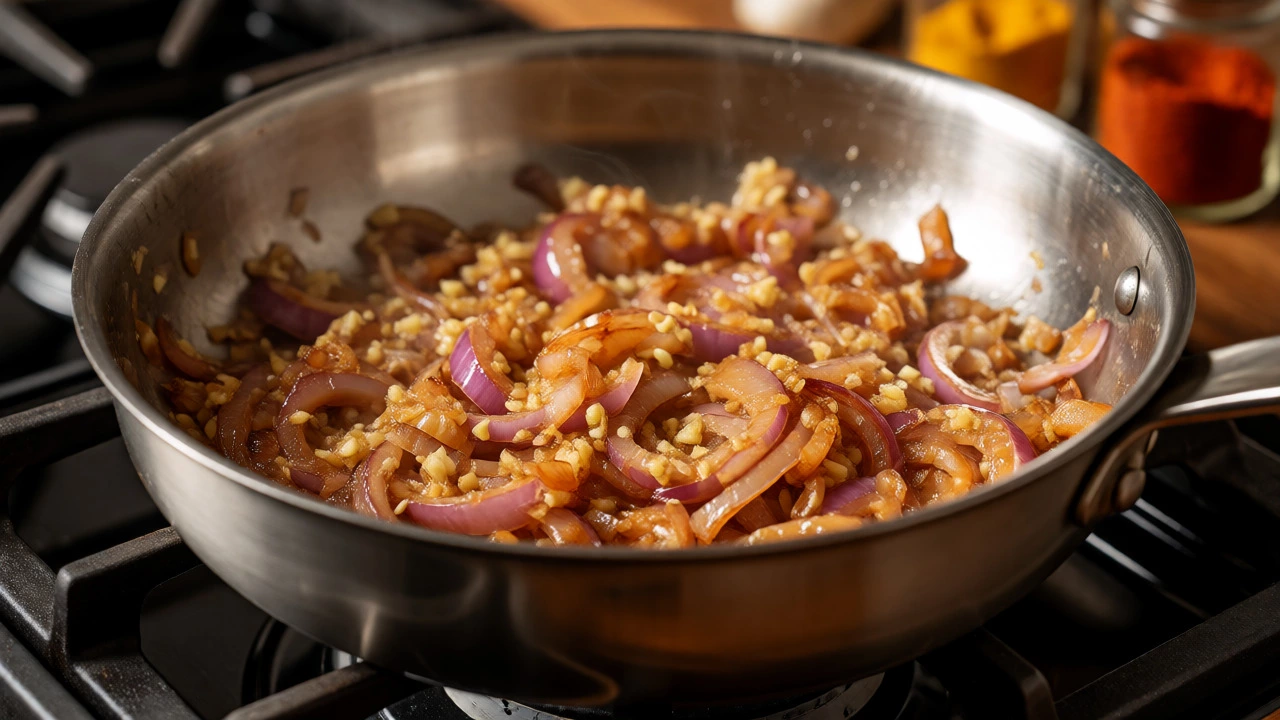
Before you even touch a spice jar, you need your base. In almost every authentic North Indian and South Asian curry, this starts with three ingredients: onions, ginger, and garlic. We call them the holy trinity because they do the heavy lifting. They create the body of the gravy and provide the savory depth (umami) that makes the dish feel substantial.
Ginger is the next layer. Fresh ginger root, grated or minced finely, adds a zesty, warming note that cuts through the richness of the meat. Don’t use dried ginger powder here unless you’re in a pinch; fresh has volatile oils that evaporate quickly but pack a punch when added early in the cooking process. It bridges the gap between the sweetness of the onions and the heat of the chilies.
Then there’s Garlic. Like ginger, fresh is best. Garlic burns faster than ginger, so timing matters. Add it after the onions have softened but before the tomatoes go in. If you add garlic too early, it turns acrid and bitter, ruining the entire batch. If you add it too late, it stays raw and harsh. The sweet spot is when it becomes fragrant and light golden-usually just 30 seconds to a minute.
The Spice Box: Dry Powders and Whole Spices
Once your aromatics are cooked down, you introduce the dry spices. This is where most beginners get confused. There are two types of spices: whole and ground. Both play different roles.
Whole spices are bloomed in hot oil first. This releases their essential oils. You typically start with cumin seeds, mustard seeds, or cardamom pods. These aren’t meant to be eaten directly; they infuse the oil, which then coats the other ingredients. If you skip this step, your curry lacks aroma. The smell comes from these bloomed whole spices hitting the hot fat.
| Spice | Role in Curry | When to Add |
|---|---|---|
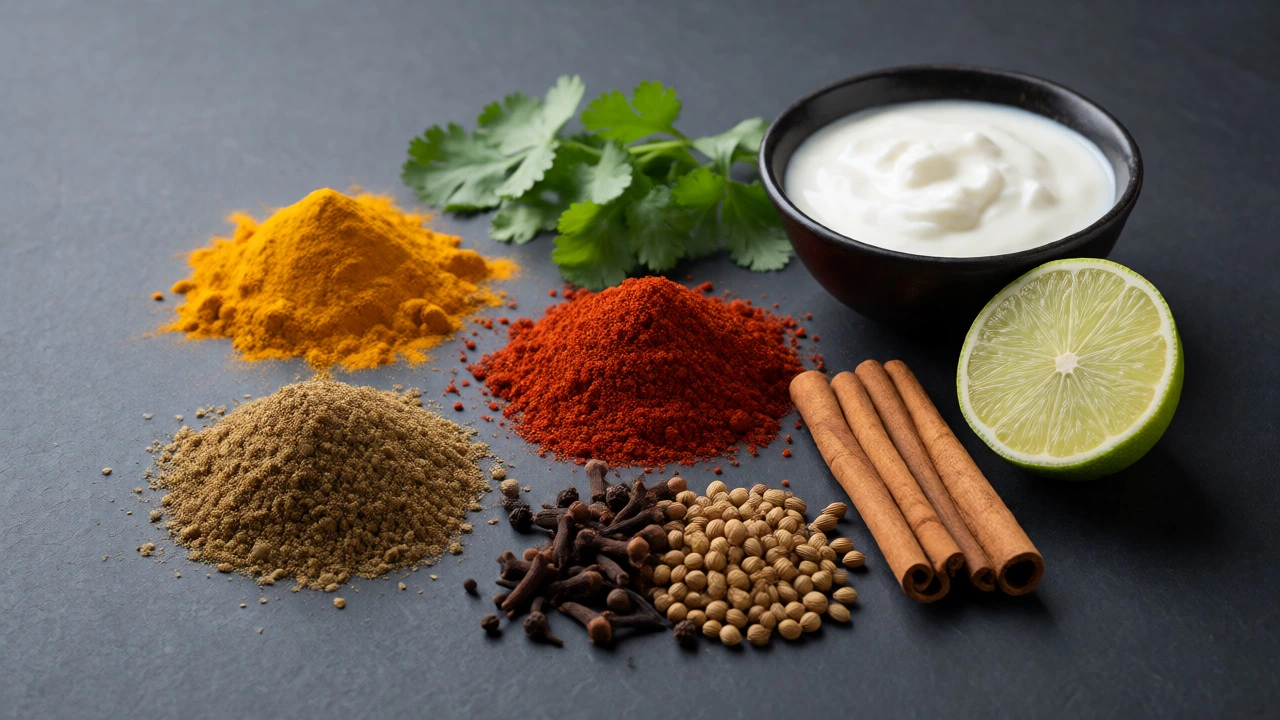
| Turmeric Powder | Adds color and earthy bitterness; anti-inflammatory properties | With wet aromatics (onion/garlic) |
| Red Chili Powder | Provides heat and vibrant red color | With wet aromatics |
| Coriander Powder | Adds thickness, citrusy notes, and bulk to the gravy | With wet aromatics |
| Garam Masala | Warm, sweet blend (cinnamon, cloves, etc.); adds finishing aroma | Last 5 minutes of cooking |
| Cumin Seeds | Nutty, earthy flavor; aids digestion | First, in hot oil |
Turmeric is non-negotiable. It gives the curry its signature yellow-orange hue and acts as a preservative of sorts, keeping the flavors stable. Coriander powder is the secret thickener. Many curries rely on cornstarch or flour, but traditional recipes use coriander seed powder. It creates a velvety texture without tasting starchy. Garam masala is your finisher. It’s a blend of warming spices like cinnamon, cardamom, cloves, and black pepper. Adding it at the end preserves its delicate fragrance. If you boil garam masala for 30 minutes, it loses its magic.
The Liquid Base: Tomatoes, Yogurt, or Cream?
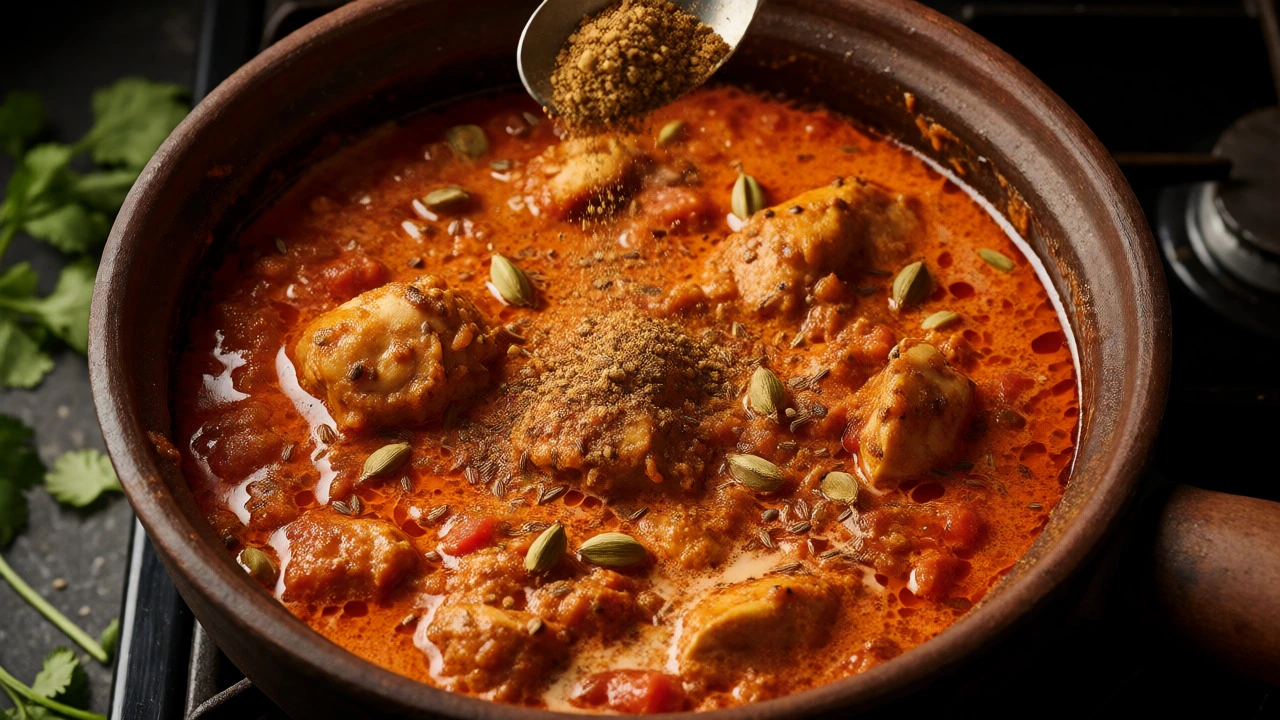
A curry needs liquid to simmer the chicken and meld the flavors. But which liquid? This depends on the style of curry you’re making. The three main contenders are tomatoes, yogurt, and cream (or coconut milk).
Tomatoes provide acidity. Acidity is crucial because it balances the fat in the chicken and the richness of the spices. Without acid, a curry feels heavy and greasy. Fresh tomatoes, pureed, are ideal. Cook them thoroughly until the oil separates from the paste. This separation is your visual cue that the raw tomato taste is gone. If the oil doesn’t separate, keep cooking. Undercooked tomatoes make the curry sour and metallic.
Yogurt adds tanginess and tenderness. Marinating chicken in yogurt before cooking breaks down the proteins, resulting in incredibly soft meat. When used in the gravy, it adds a creamy texture without the heaviness of dairy cream. Be careful: yogurt curdles if added to boiling liquid. Lower the heat, whisk it well, and stir constantly when adding it to the pot.
Cream or coconut milk brings richness. Coconut milk is essential for South Indian or Thai-style curries, offering a natural sweetness and nuttiness. Dairy cream is typical for Punjabi dishes like Butter Chicken. Use full-fat cream; low-fat versions lack the mouthfeel required for a satisfying curry. A splash of lemon juice at the very end can brighten up any of these bases, cutting through the richness.
Fresh Herbs and Finishing Touches
You’ve built the base, added the spices, and simmered the chicken. Now, how do you make it pop? Fresh herbs. Cilantro (coriander leaves) is the standard garnish. Chop it roughly and throw it in off the heat. The residual warmth wilts the leaves just enough to release their scent without killing their fresh green flavor.
Dried fenugreek leaves, known as Kasuri Methi, are another pro tip. Crush a teaspoon between your palms and sprinkle it over the finished curry. It adds a maple-like, slightly bitter complexity that elevates the dish from homemade to restaurant-quality. It’s an acquired taste for some, but once you understand it, you’ll wonder how you ever made curry without it.
Finally, salt. Taste as you go. Spices mask under-salting, leading to blandness. Salt enhances all other flavors. Add it gradually. You can always add more, but you can’t take it out.
Common Mistakes to Avoid
Even with the right ingredients, technique matters. Here are the biggest pitfalls I see.
- Burning the garlic: As mentioned, garlic burns fast. Keep the heat moderate when frying aromatics.
- Using old spices: Ground spices lose potency after six months. Buy small quantities and store them in airtight containers away from light.
- Skipping the bloom: Never dump raw spice powders into cold water. Always fry them in oil or ghee to unlock their flavor compounds.
- Overcooking the chicken: Bone-in pieces hold up better than boneless breasts. Breasts dry out quickly. If using breast, cut larger chunks and reduce simmering time.
Another mistake is assuming all curries are the same. A Vindaloo needs vinegar and lots of chili. A Korma needs cashews and mild spices. Knowing your essential toolkit lets you adapt. You don’t need 50 jars; you need the core ten that cover 90% of recipes.
Putting It All Together: A Simple Framework
Think of making chicken curry as a four-step process. First, heat oil and bloom whole spices. Second, fry onions, ginger, and garlic until deeply colored. Third, add dry powders (turmeric, chili, coriander) and cook briefly to remove raw taste. Fourth, add your liquid base (tomato/yogurt), bring to a simmer, add chicken, and cook covered. Finish with garam masala, cilantro, and a squeeze of lime.
This framework works for hundreds of variations. Want it spicy? Add green chilies with the aromatics. Want it creamy? Stir in a spoonful of butter at the end. Want it tangy? Increase the tomato or add a splash of vinegar. The essentials remain constant; only the variables change.
Remember, good food is about patience. Browning onions properly takes time. Simmering the gravy allows flavors to marry. Don’t rush. The difference between a good curry and a great one is often just five extra minutes of attention.
Do I need to marinate the chicken?
While not strictly mandatory for every recipe, marinating chicken in yogurt and spices for at least 30 minutes significantly improves tenderness and flavor penetration. The enzymes in yogurt break down protein fibers, ensuring the meat remains juicy during cooking.
What is the difference between curry powder and individual spices?
Curry powder is a pre-mixed blend, usually British-influenced, containing turmeric, coriander, cumin, and fenugreek. Individual spices allow you to control the balance of heat, earthiness, and aroma. Using whole spices and grinding them fresh yields a far superior flavor profile compared to shelf-stable blends.
Why does my curry taste bitter?
Bitterness usually comes from burning garlic or ginger, or from adding too much fenugreek or asafoetida. It can also result from under-cooked tomatoes. Ensure aromatics are golden, not brown-black, and cook tomatoes until the oil separates from the paste.
Can I use canned tomatoes instead of fresh?
Yes, high-quality canned crushed tomatoes are often better than out-of-season fresh ones. They have a consistent acidity and sweetness. Just ensure you cook them thoroughly to remove any metallic tinny taste.
How do I thicken a thin curry?
You can simmer it longer to reduce the liquid naturally. Alternatively, mash some of the cooked onions against the side of the pan, add a spoonful of cornflour slurry, or blend a portion of the gravy and stir it back in. Ground almonds or cashews also work as natural thickeners.