Chapati vs. Roti Identity & Health Checker
Confused by the terms? Use this tool to identify what you're making and see how your choices impact health.
You’re standing in your kitchen, flour dust on your hands, trying to decide what to make for dinner. You reach for the bag of whole wheat flour and wonder: should I call this chapati or roti? It’s a question that confuses even seasoned home cooks. Here is the truth: in most households across India and the diaspora, they are the same thing. But if you ask a chef in Punjab versus a friend in Mumbai, or look at restaurant menus abroad, subtle differences emerge. Let’s clear up the confusion once and for all so you never have to second-guess your flatbread again.
| Feature | Chapati | Roti |
|---|---|---|
| Primary Ingredient | Whole wheat flour (Atta) | Can be whole wheat, but also millet, corn, or rice flour |
| Oil/Ghee Usage | Often brushed with ghee or oil after cooking | Usually cooked dry, no added fat |
| Thickness | Generally thinner and softer | Can be slightly thicker and denser |
| Cooking Method | Tawa (griddle) then direct flame (optional puffing) | Tawa only, or sometimes baked |
| Regional Preference | North India, Pakistan, Bangladesh | Pan-Indian term; specific types like Bajra Roti in Rajasthan |
The Linguistic Mix-Up
Let’s start with the words themselves. Roti comes from the Sanskrit word "rotika," meaning bread. It is a generic term for any unleavened flatbread made from grain flour and water. Think of it as the umbrella category. Chapati, on the other hand, derives from the Hindi word "chapet," which means "to slap" or "to flatten." This refers to the physical action of rolling out the dough. So, technically, every chapati is a roti, but not every roti is a chapati. A Bajra Roti made from pearl millet is a roti, but you wouldn’t typically call it a chapati because the texture and preparation differ.
In daily conversation, however, these distinctions blur. If you ask an auntie in Delhi to make rotis, she will likely use whole wheat flour and might even add a touch of oil, effectively making chapatis. The terms are used interchangeably by millions of people. The confusion often stems from how we label things outside of India. In the UK or New Zealand, where I live, restaurants might list "Butter Naan" and "Tandoori Roti" separately, creating a false impression that all rotis are distinct from chapatis. They aren’t. It’s mostly about regional dialects and personal preference.
Ingredients: Where the Paths Diverge
If you want to be pedantic-and sometimes being precise helps when following recipes-here is where the ingredients split. Traditional Chapati is strictly defined by its use of Atta (stone-ground whole wheat flour). The goal is a soft, pliable bread that complements rich curries. Because whole wheat can be tough, many families add a teaspoon of oil or ghee directly into the dough. This tenderizes the gluten, resulting in a softer bite that stays flexible longer.
Roti is broader. While it frequently uses atta, it can also be made from:
- Millet flours: Jowar (sorghum), Bajra (pearl millet), or Ragi (finger millet).
- Corn flour: Common in parts of Maharashtra and Karnataka.
- Rice flour: Used in coastal areas or for gluten-free options.
When you see "Jowar Roti" on a menu, it’s rarely called "Jowar Chapati." The term "roti" accommodates the variety of grains better than "chapati," which has become strongly associated with wheat. If you are trying to replicate a specific regional dish, check the flour type first. That single ingredient choice dictates whether you are making a true chapati or a variant of roti.
Technique: The Slap vs. The Roll
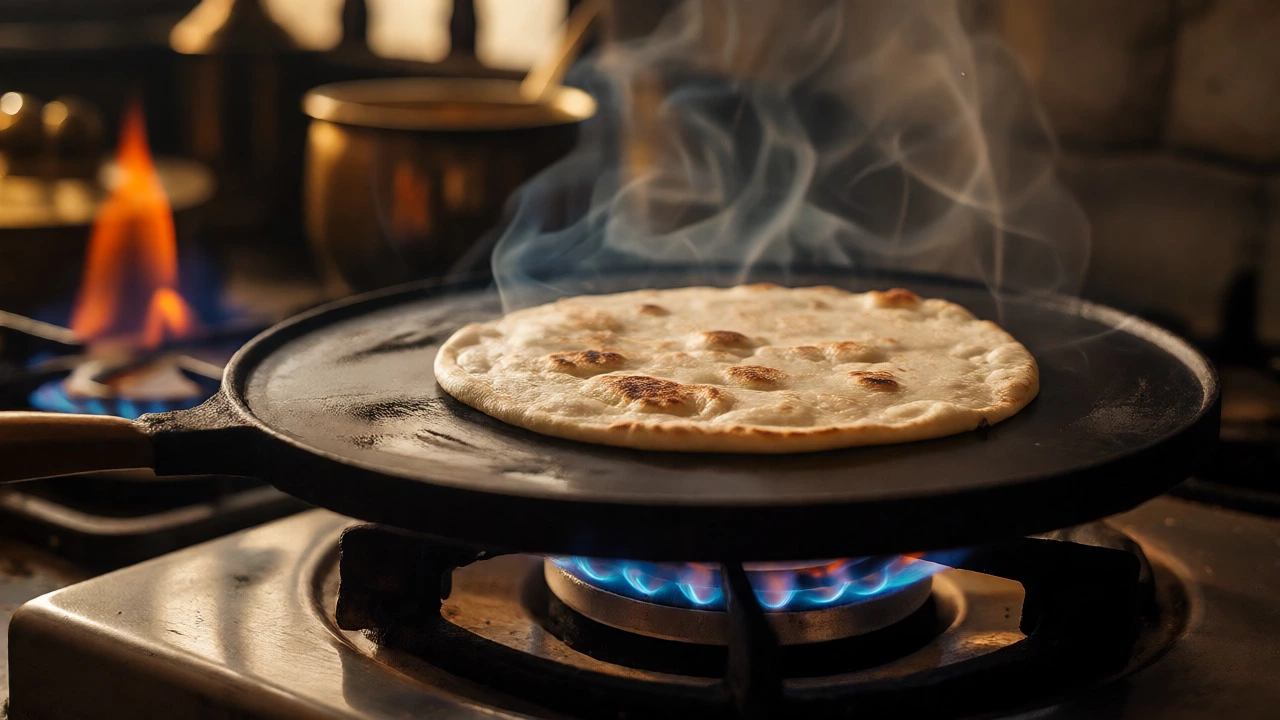
The name "chapati" hints at the technique. Historically, the dough was flattened by slapping it between palms before using a rolling pin. Today, most of us just roll it out, but the expectation remains: chapatis should be thin. Why? Thinness ensures quick cooking and a delicate texture that doesn’t overpower the food it wraps around. When you cook a chapati, many cooks finish it by placing it directly over an open gas flame. This causes steam to build inside, making the bread puff up like a balloon. That puff is the hallmark of a well-made chapati.
Roti preparation varies more widely. Some rotis are rolled thicker to provide heartiness, especially when paired with lighter dishes or eaten alone. Others, particularly those made from non-wheat flours, don’t puff easily because they lack gluten. A Bajra roti, for example, is brittle and won’t balloon over a flame. It’s cooked entirely on the tawa (flat griddle) and served immediately while warm. If you try to force a puffed chapati technique on a millet roti, you’ll end up with a cracked, dry mess. Adjust your expectations based on the flour.
Texture and Taste: The Sensory Test
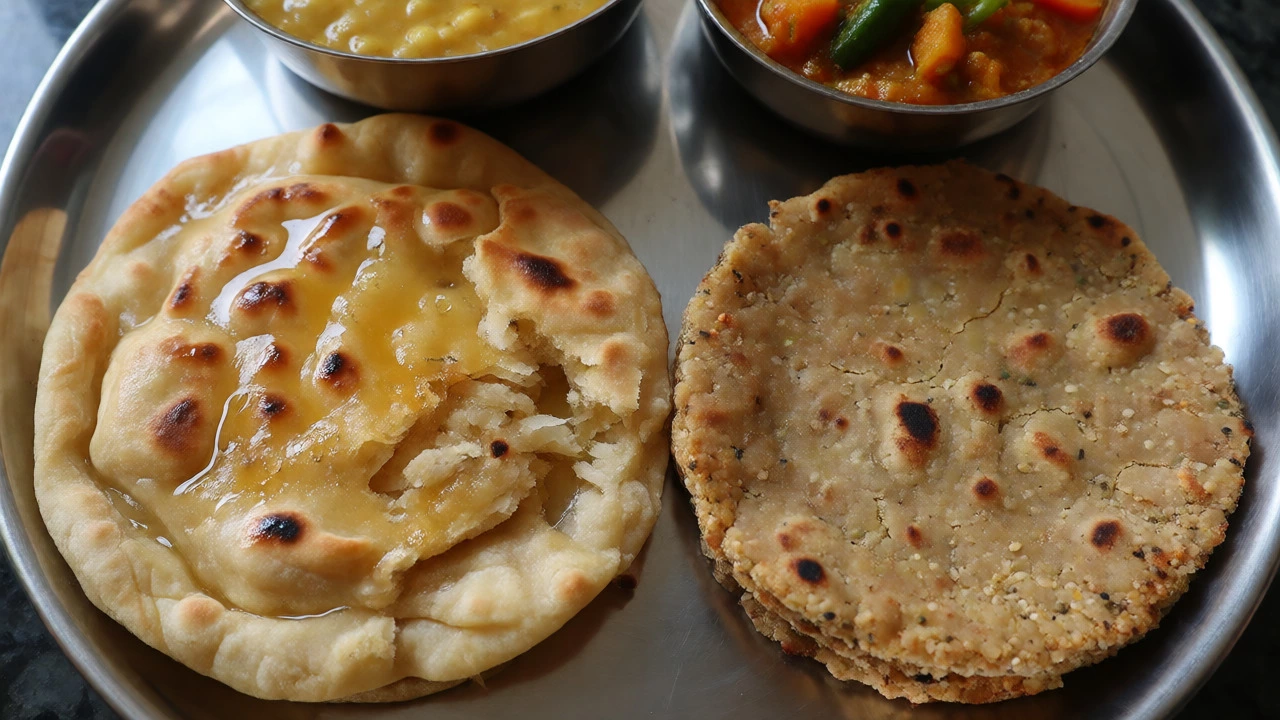
How do they feel in your mouth? A classic chapati is soft, slightly chewy, and often carries a hint of richness if ghee was used. It tears easily without shredding. This makes it perfect for scooping up dal or wrapping around pieces of chicken tikka. The slight sweetness of the wheat pairs well with spicy gravies.
A standard roti, especially if made without fat, tends to be drier and firmer. It has a nuttier, earthier flavor profile, particularly if made with millets. This robustness stands up well to strong flavors like pickles or fermented foods. If you prefer a neutral base that lets the curry shine without adding extra calories from butter, a plain roti is your best bet. Conversely, if you want comfort food that feels indulgent, go for the chapati route with a brush of ghee.
Health Considerations: Which Is Better?
Nutritionally, there is no winner. Both are primarily complex carbohydrates. However, the health impact depends on two factors: the flour type and the added fats.
If you compare a plain whole wheat roti to a ghee-brushed chapati, the roti wins on calorie count. A medium-sized chapati with a teaspoon of ghee adds roughly 45-50 calories compared to a dry roti. For weight management, skipping the ghee is a simple win. But don’t demonize fat; it aids in absorbing fat-soluble vitamins from your vegetables.
Consider the glycemic index (GI). Whole wheat flour has a moderate GI. Millets like Jowar and Bajra have lower GIs, causing slower blood sugar spikes. If you are managing diabetes or insulin resistance, opting for millet-based rotis over traditional wheat chapatis offers a tangible benefit. Always check the label if buying packaged flour; some "multigrain" mixes are mostly wheat with tiny specks of other grains, offering little nutritional advantage over standard atta.
Common Pitfalls and Pro Tips
Making either bread requires practice. Here are three mistakes I see constantly:
- Dough Resting: Skipping the rest period. After kneading, let the dough sit covered for 15-20 minutes. This relaxes the gluten strands, making rolling easier and preventing the bread from shrinking back.
- Water Temperature: Use lukewarm water. Cold water makes the dough stiff; hot water kills the yeast-like activity (even though there’s no yeast, enzymes are active) and creates a sticky mess.
- Heat Management: Your tawa needs to be hot enough to sizzle upon contact but not smoking. If it’s too cool, the bread hardens instead of cooking through. If it’s too hot, it burns outside while remaining raw inside.
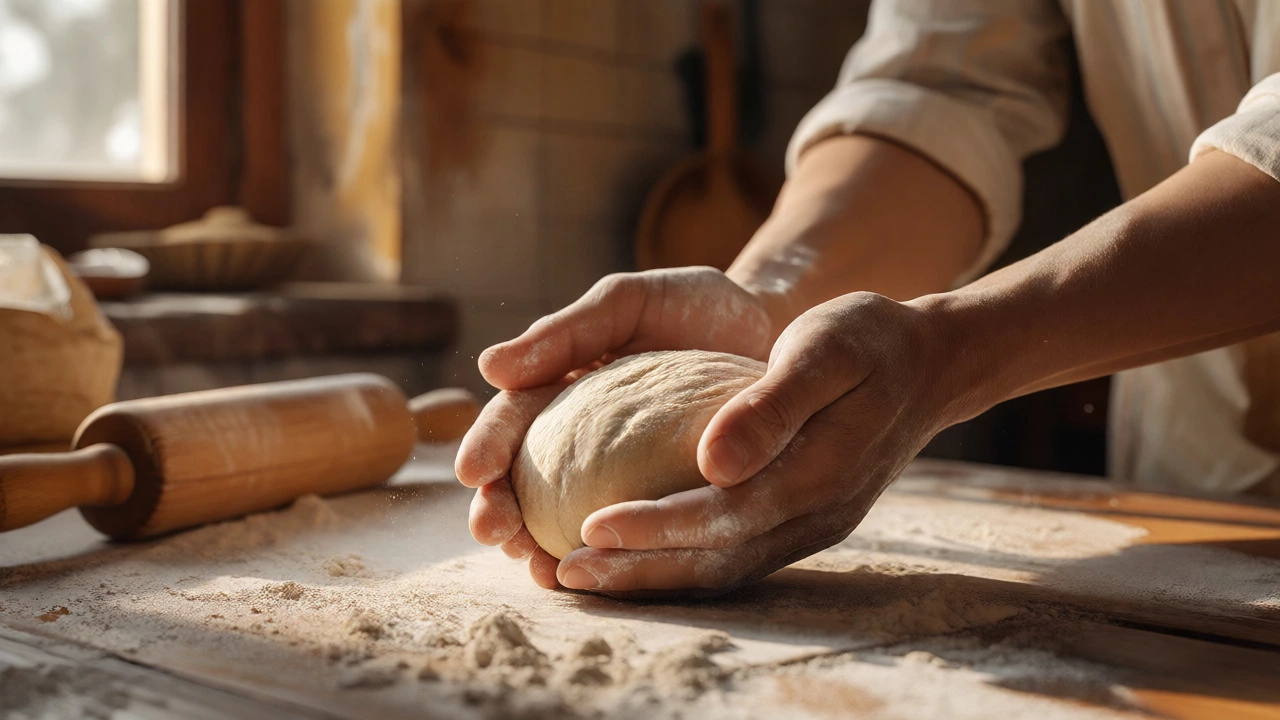
For a foolproof method, mix equal parts whole wheat flour and a pinch of salt. Add water gradually until you have a smooth, non-sticky ball. Knead for five minutes until it springs back when pressed. Divide into lemon-sized balls. Dust with dry flour, roll into a circle, and cook. Brush with ghee if desired. Serve hot.
Final Verdict
So, what is the difference between chapati and roti? Mostly semantics. Chapati is a specific type of roti made from whole wheat, often enriched with fat, and prized for its softness and ability to puff. Roti is the broader family of unleavened flatbreads, encompassing various grains and textures. Don’t let terminology stress you out. Whether you call it chapati or roti, the joy lies in the process-the smell of toasted wheat, the warmth of fresh bread, and the satisfaction of tearing into it with your hands. Next time you’re in the kitchen, focus less on the name and more on the technique. Your stomach won’t care what you call it; it just wants good bread.
Is chapati healthier than roti?
Not necessarily. If both are made from whole wheat flour, their nutritional value is nearly identical. The main difference arises if the chapati is brushed with ghee or oil, which increases the calorie and fat content. Plain rotis are generally lower in calories. However, rotis made from millets (like bajra or jowar) can have a lower glycemic index than wheat chapatis, making them a better option for blood sugar control.
Why does my chapati puff up but my roti doesn't?
Puffing requires gluten elasticity and trapped steam. Wheat flour (atta) contains gluten, which stretches to trap steam when exposed to high heat. If your roti is made from gluten-free flours like rice, corn, or millet, it lacks the structural integrity to hold steam, so it won't puff. Even with wheat flour, if the dough is too dry or the heat isn't high enough, it may fail to puff.
Can I use the same dough for both chapati and roti?
Yes, absolutely. Since the primary ingredient for both is usually whole wheat flour, the dough is virtually the same. The distinction often happens during the finishing stage: adding ghee to create a richer chapati versus leaving it plain for a standard roti. You can prepare one batch of dough and serve half as soft, ghee-brushed chapatis and half as dry rotis.
What is the difference between naan and roti?
Naan is leavened, meaning it uses yeast or yogurt to rise, resulting in a fluffy, airy texture. It is traditionally cooked in a clay oven (tandoor). Roti and chapati are unleavened, made simply from flour and water, and cooked on a flat griddle (tawa). Naan is much thicker and softer, while roti/chapati are thinner and denser.
Which flour is best for making soft rotis?
Stone-ground whole wheat flour (often labeled as 'Chakki Atta') produces the softest results due to its fine particle size and natural oils. Adding a small amount of all-purpose flour (maida) can also increase softness, though it reduces fiber content. Using warm water and letting the dough rest for at least 15 minutes is crucial for achieving a pliable texture regardless of the brand.