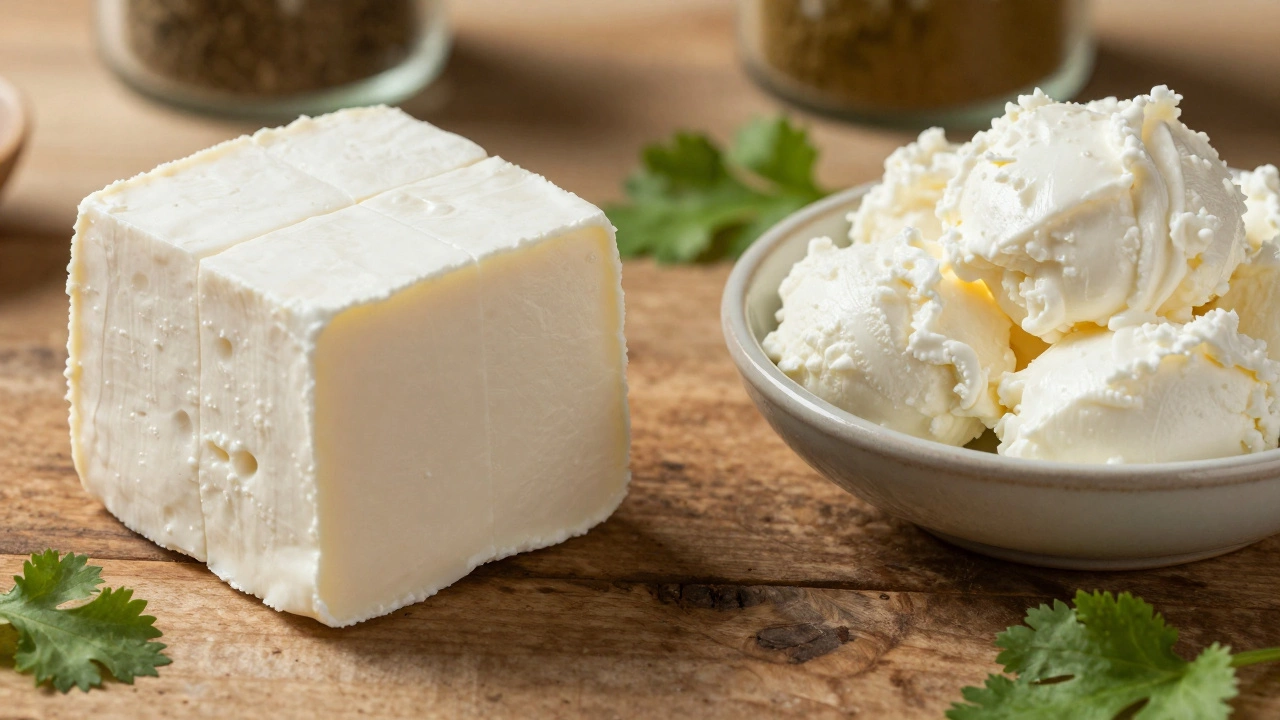
You open your favorite curry recipe box and realize you're out of paneer. In a typical New Zealand supermarket, finding fresh homemade Paneer is an acid-set fresh Indian cottage cheese can be tricky. It sits in the fridge, hardening fast. On the other hand, ricotta sits right next to the milk, creamy and accessible. Can you just grab the tub of Ricotta is a soft Italian fresh cheese made from whey? The short answer is yes, but only in certain situations. If you swap them blindly, your dish could turn soupy or lose its texture entirely.
The Fundamental Differences Between Paneer and Ricotta
To understand why a swap works, you have to look at what makes these cheeses tick. They both come from milk, yet their manufacturing processes create vastly different outcomes. Paneer is an unripened cheese. You take full-fat milk, heat it, and add acid like lemon juice or vinegar. The milk solids separate immediately. You drain the whey, press the solids, and you get a firm, non-melting block.
Ricotta tells a different story. Historically, it is often made from the whey left over after making other cheeses. It has a much higher moisture content. Think of paneer as a dense sponge that holds its shape when fried. Think of ricotta as a moist cloud. It lacks the tight protein network needed to hold cubes together under high heat. This distinction dictates everything from stirring to sautéing.
In Auckland, paneer availability fluctuates. You might find pre-packed blocks in the Asian grocery aisles, but they often contain preservatives to prevent spoilage. Freshly made paneer lasts only three days. Ricotta, however, is shelf-stable enough for a week in your fridge. Knowing this helps when you are planning meals. If you need a quick midweek meal and lack fresh paneer, ricotta becomes a viable option.
When Ricotta Works as a Substitute
Ricotta works best when the cooking method relies on gentle heating or baking rather than frying or boiling in liquid. There are specific scenarios where the texture difference matters less than the flavor contribution.
- Baked Dishes: If you are making a baked korma or a slow-cooked gratin, ricotta holds up surprisingly well. As long as the sauce thickens around it, it won't dissolve completely.
- Sweet Applications: Some modern Indian sweets use ricotta as a creamier alternative to traditional khoya. The mild tang complements cardamom and saffron beautifully.
- Salads and Rolls: For cold preparations like stuffed parathas or wraps where the filling isn't deep-fried, crumbled ricotta provides a rich bite similar to crumbled paneer.
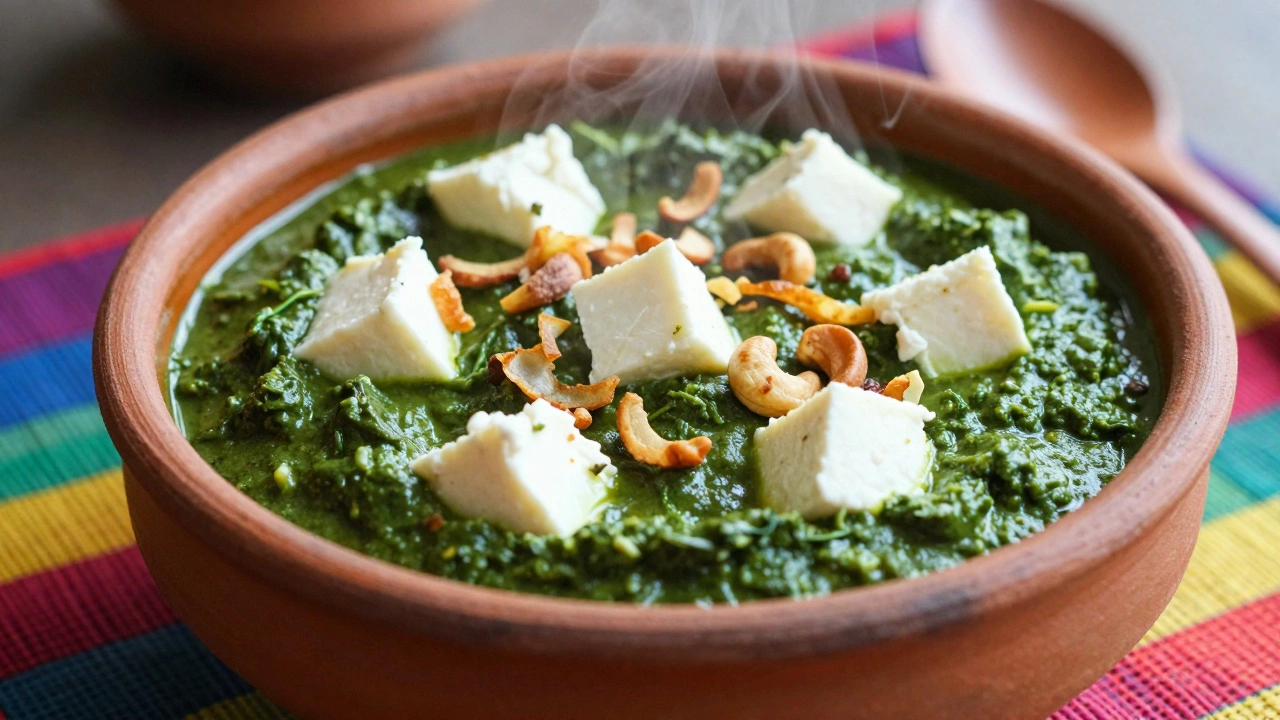
Consider the moisture factor here. If you use ricotta in a wet curry, like Palak Paneer, you risk thinning the sauce too much. To fix this, drain the ricotta through cheesecloth before adding it. This removes excess water and gives you a crumbly texture closer to paneer. It takes about twenty minutes of draining to get it firm enough to handle without falling apart.
When Ricotta Fails in Recipes
There are strict rules where you cannot use ricotta instead of paneer. High-heat applications are the biggest danger zone. If your recipe calls for grilling cheese cubes or shallow frying them in a pan, ricotta will disintegrate. It has no structural integrity for high-pressure cooking.
Dishes like Chana Masala or Kadai Paneer rely on cubes of cheese maintaining their shape while absorbing the masala gravy. If you drop ricotta cubes into hot oil, they will melt into white foam. You end up with grainy bits floating in the sauce rather than distinct chunks of cheese. This ruins the visual appeal and mouthfeel of the dish. Similarly, in stir-fries where ingredients are tossed rapidly over high heat, ricotta cannot withstand the friction.
Taste is another factor. Paneer is neutral, acting as a blank canvas for spices. Ricotta has a subtle, milky sweetness and slight tang. In a dish where the spice balance is delicate, the tanginess of ricotta might throw off the flavor profile. It tastes more 'Western' due to the lactose presence. If you want authentic Indian flavors, ricotta requires masking with stronger aromatics like cumin and garlic.
Adjusting Your Cooking Techniques
If you decide to proceed with the substitution, you need to adapt your kitchen technique. The goal is to mimic the behavior of paneer using ricotta. Start by pressing the ricotta. Wrap it in clean muslin cloth or cheesecloth and hang it in the sink. Gravity does the work here.
Next, consider binding agents. If the recipe is a stuffing or a mixture, mix the ricotta with breadcrumbs or cornflour. This adds dryness and structural support. For curries, you can coat the ricotta pieces lightly in flour before dropping them in. This creates a protective crust that slows down melting.
Cooking order changes too. Don't cook ricotta at the same time as the base vegetables. Prepare your gravy first. Add the ricotta at the very last minute. Just warm it through so it doesn't sit in boiling liquid for too long. The heat shock is what causes separation. Gentle warmth keeps the curds intact.
Other Viable Alternatives to Paneer
Ricotta isn't the only option. Depending on what you have in your pantry, other cheeses offer better results for specific uses.
| Cheese Type | Melting Point | Texture | Best Use Case |
|---|---|---|---|
| Mozzarella | High | Elastic, Stretchy | Baked dishes, not curries |
| Halloumi | Very High | Firm, Squeaky | Grilling, frying, salads |
| Feta | Moderate | Crumbling, Salty | Salads, light curries |
| Cottage Cheese | Low | Soft, Wet | Pasta fillings, sweet snacks |
Mozzarella is often the go-to choice for pizza-style fusion dishes. However, it melts into strings. If you want distinct cubes, mozzarella needs to be low-moisture. Halloumi is the superior substitute for frying. It does not melt and has a salty kick that mimics aged paneer. Cottage cheese, known as Chunni in India, is the closest in terms of moisture if pressed tightly. It behaves similarly to ricotta but is less granular.
Flavor Balancing for Authentic Results
When you swap the dairy component, you change the base notes of the dish. Paneer brings a nuttiness. Ricotta brings a sweet creaminess. To bridge this gap, enhance the savory elements of your recipe. Increase the amount of mustard seeds or cumin powder slightly. These spices cut through the richness of the whey-based cheese.
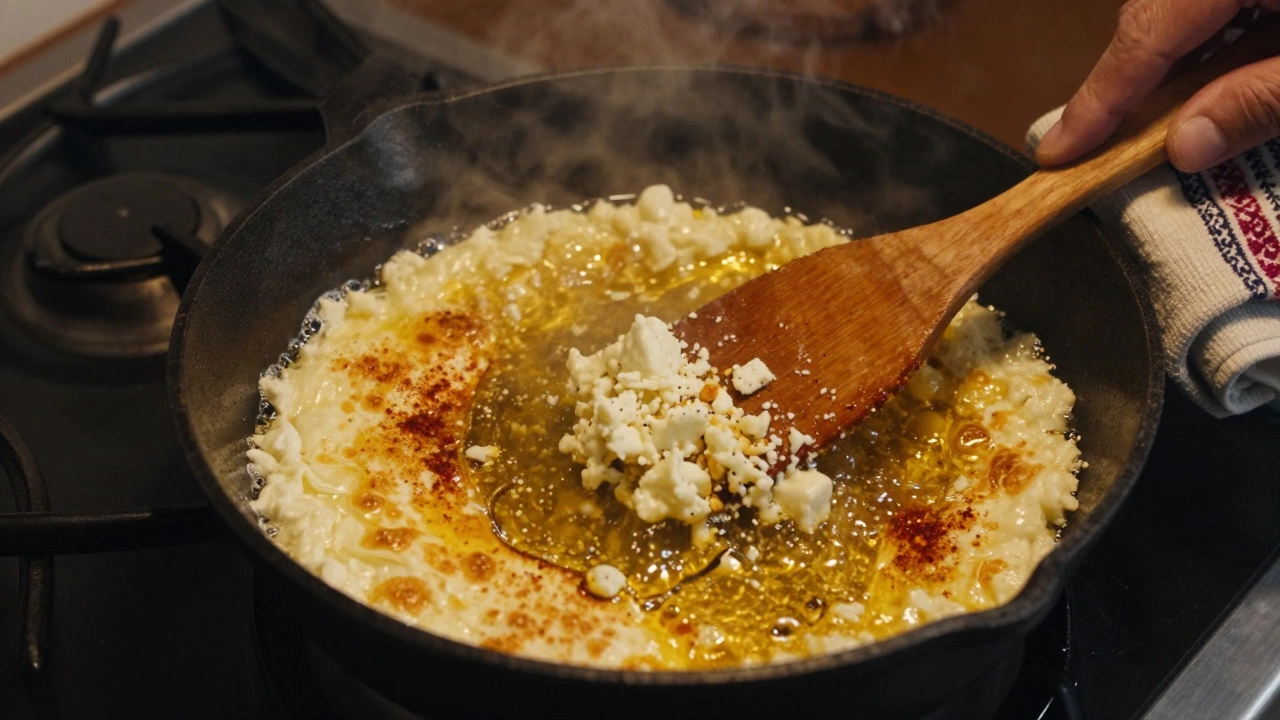
You can also toast the paneer substitute. Sauté the ricotta crumbles in a little ghee until they develop a golden crust. This Maillard reaction introduces that roasted flavor characteristic of good paneer. Without this step, the cheese tastes raw. A quick fry in the pan transforms the bland ricotta into something with character.
Remember, the success of any substitution depends on your tolerance for deviation. If you are cooking for a picky eater who expects traditional textures, sticking to paneer or Halloumi is safer. For experimentation or family meals where texture matters less than convenience, ricotta serves its purpose well.
Storage and Shelf Life Considerations
A practical aspect of cooking in Auckland is managing perishables. Homemade paneer spoils quickly. If you buy a large pack and only need half, it goes bad within days unless frozen. Ricotta lasts longer in the container. Freezing is another strategy.
You can freeze ricotta for up to three months. Thaw it slowly in the fridge overnight. The texture will become grainy upon thawing, making it better for baking rather than curries. Frozen paneer becomes spongy when thawed, losing its crunch. Ricotta retains its soft consistency after freezing. If you know you won't use the paneer soon, make it now and store it in ziplock bags submerged in water. This preserves freshness better than air exposure.
Cost is also a factor. Generally, ricotta is more expensive per kilogram than bulk paneer in New Zealand supermarkets. Buying ricotta as a substitute might raise the price of the dish. Calculate this against the waste you save by not discarding expired paneer. Efficiency matters.
Frequently Asked Questions
Will ricotta melt in the same way as paneer?
No, ricotta does not melt cleanly. It breaks down into curds and separates. Paneer is designed not to melt. Ricotta has a high moisture content that prevents it from holding a solid form under heat.
How do I make ricotta firmer like paneer?
Drain the ricotta in cheesecloth for several hours to remove excess liquid. You can also mix it with a small amount of cream cheese to bind it together. Avoid high-heat frying methods.
Is ricotta healthier than paneer?
Ricotta typically contains fewer calories per serving because it is made from whey which is lower in fat. Paneer is full-fat milk solids. Check the nutritional label for exact protein and fat ratios in your specific brand.
Can I use ricotta in Palak Paneer?
You can, but add it at the very end. Do not boil it in the spinach puree for long periods. Stir gently so the ricotta stays in chunks rather than dissolving into the green sauce.
Does ricotta taste exactly like paneer?
Not exactly. Paneer has a neutral, milky taste. Ricotta is slightly sweeter and tangier. Strong spices help mask the difference, but the underlying flavor profile will remain subtly different.