Daily Protein Planner: Tofu vs. Paneer
Adjust the sliders below to see how combining firm tofu and full-fat paneer affects your daily nutritional intake. This tool helps you find the right balance for weight loss, muscle gain, or heart health.
Daily Goals & Context
- Protein Goal: ~50g (for general health)
- Sat Fat Limit: ~20g (AHA guideline)
- Calorie Watch: Tofu is lower calorie
Nutritional Breakdown
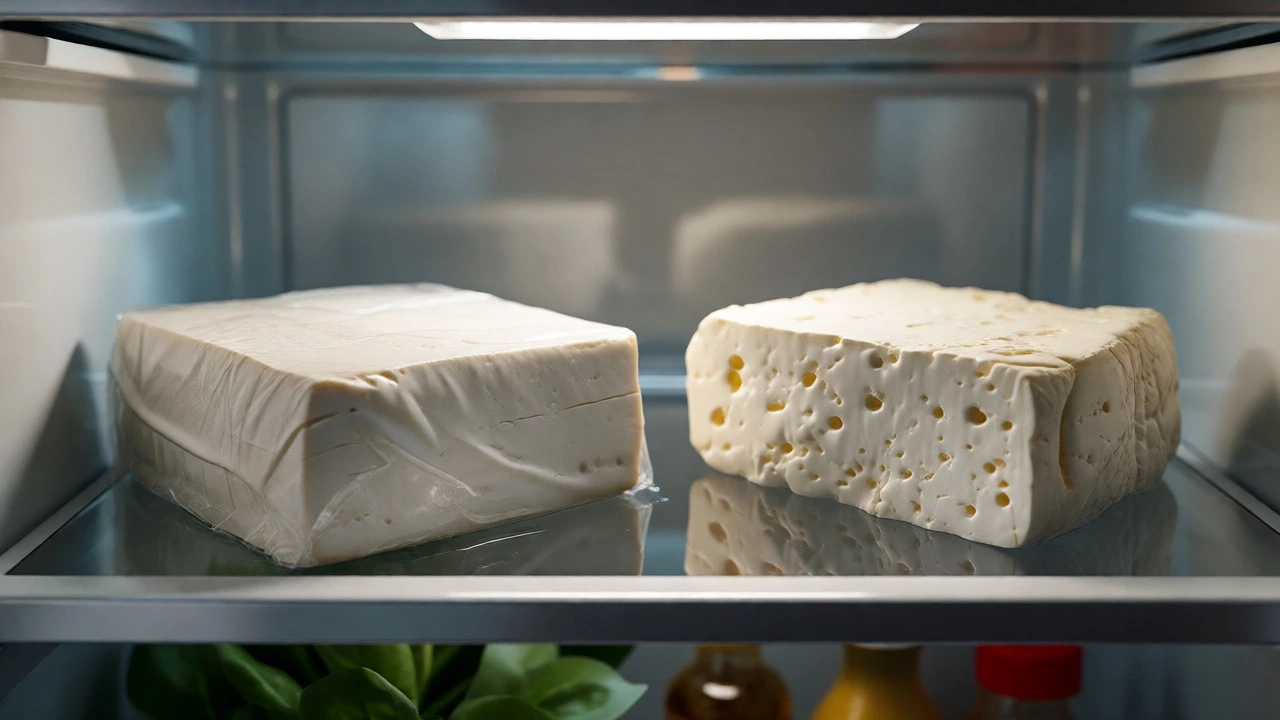
You stare at the fridge. There is a block of firm tofu, leftover from last night's stir-fry, sitting next to a fresh wedge of paneer you made this morning. Both look delicious. Both are packed with protein. So, why not eat them both? Or just one of them, every single day?
This is a question I hear constantly in Auckland’s Indian grocery aisles and local health food stores alike. People want convenience. They want high protein without the cholesterol spike of red meat. They want something that works for breakfast, lunch, and dinner. But can your body handle a daily dose of these soy and dairy curds? The short answer is yes, but with some serious caveats about variety, digestion, and nutrient balance.
The Nutritional Showdown: Tofu vs. Paneer
To understand if you can eat these daily, you first need to know what you are actually putting on your plate. While they look similar-white, soft, curd-like blocks-they come from completely different sources and bring different nutrients to the table.
Tofu is made by coagulating soy milk using a coagulant like nigari (magnesium chloride) or calcium sulfate. It is plant-based, vegan-friendly, and naturally low in fat compared to many animal products. On the other hand, Paneer is a non-ageing cheese produced by curdling milk with an acidic foodstuff such as lemon juice or vinegar. It is rich in saturated fats and calcium but contains lactose.
| Nutrient | Firm Tofu | Homemade Paneer (Full Fat) |
|---|---|---|
| Calories | ~76 kcal | ~265 kcal |
| Protein | 8g | 18-20g |
| Fat | 4.8g | 20g |
| Saturated Fat | Low | High (~13g) |
| Calcium | Varies (depends on coagulant) | High (~500mg) |
| Cholesterol | 0mg | ~90mg |
See the difference? If you are watching your calorie intake, tofu is the clear winner. But if you are looking for dense protein and bone-strengthening calcium, paneer pulls ahead. However, that high saturated fat content in paneer means eating it daily requires moderation, especially if you have heart health concerns.
Is Daily Consumption Safe for Your Gut?
Your digestive system is smart, but it likes routine. Eating the same protein source every day isn't inherently dangerous, but it can lead to specific issues depending on which one you choose.
With tofu, the main concern for daily consumers is anti-nutrients. Soybeans contain compounds called phytates and lectins, which can interfere with mineral absorption if consumed in massive quantities. However, the process of making tofu reduces these significantly. For most people, eating tofu daily is perfectly fine and may even improve gut health due to its fiber content, provided you don't have a soy allergy.
Paneer presents a different challenge: lactose. Even though paneer has less lactose than liquid milk, it still contains it. If you are mildly lactose intolerant, eating paneer daily might cause bloating or gas over time. Furthermore, because paneer is heavy and slow-digesting, relying on it as your sole protein source can make you feel sluggish. I’ve noticed clients who switched to daily paneer often report feeling heavier after meals compared to when they rotated in lighter proteins like chicken or lentils.
Heart Health and Cholesterol Concerns
This is where the decision gets personal. If you have a family history of high cholesterol, eating paneer every single day might push your saturated fat intake too high. The American Heart Association recommends limiting saturated fats to about 5-6% of total daily calories. A 100g serving of full-fat paneer can nearly hit that limit on its own.
Tofu, conversely, is linked to improved heart health. Studies suggest that replacing animal proteins with soy protein can lower LDL (bad) cholesterol levels. If you are aiming for cardiovascular longevity, tofu is the safer daily bet. You can pair it with vegetables and whole grains to create a heart-healthy meal without worrying about clogged arteries.
But does this mean you must banish paneer? Not at all. Consider a rotation strategy. Eat tofu four days a week and paneer three times a week. This gives you the best of both worlds: the cholesterol-lowering benefits of soy and the muscle-building density of dairy.
Culinary Versatility: Keeping Meals Interesting
Boredom is the enemy of consistency. If you eat the same bland boiled paneer cube every day, you will quit by Thursday. To sustain a daily habit, you need variety in texture and flavor.
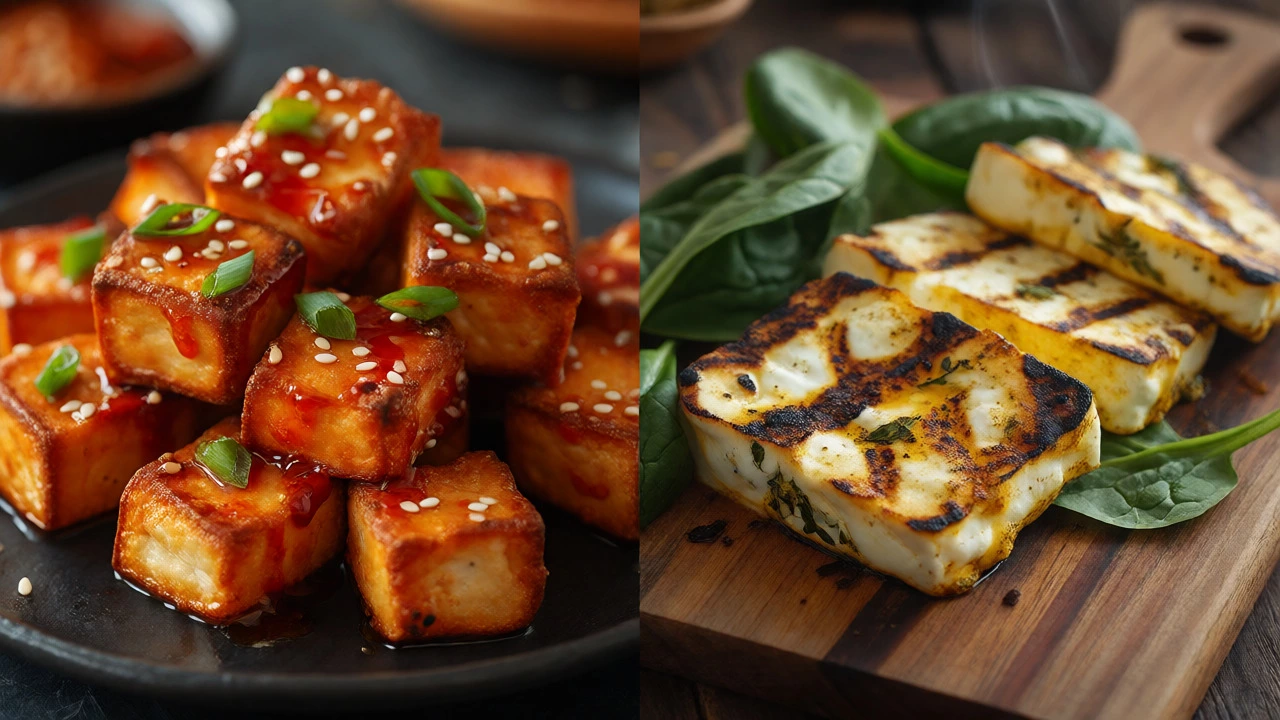
Tofu acts like a sponge. It absorbs whatever marinade you throw at it. One day, try crispy baked tofu tossed in sriracha and maple syrup. The next, blend silken tofu into a smoothie for a creamy, protein-packed breakfast without the taste of beans. In Asian cuisine, tofu shines in miso soups and kimchi stews. In Western cooking, it works great scrambled like eggs.
Paneer is more assertive. It holds its shape well, making it perfect for grilling or frying. Think of it as the steak of the vegetarian world. You can marinate it in yogurt and spices for tandoori-style skewers, or crumble it into spinach palak. Because it doesn’t melt, you can cut it into cubes for salads or stuff it into parathas. The key is to avoid deep-frying it daily. Instead, pan-sear it with minimal oil or grill it to keep the meal light enough for daily consumption.
Who Should Avoid Daily Consumption?
While generally safe, certain groups should be cautious.
- People with Thyroid Issues: Some research suggests that large amounts of soy might interfere with thyroid medication absorption. If you take levothyroxine, space out your tofu meals by at least four hours from your medication.
- Kidney Stone Prone Individuals: Soy is high in oxalates. If you form calcium-oxalate stones, excessive daily tofu might increase risk. Hydration is critical here.
- Lactose Intolerant Folks: As mentioned, daily paneer could trigger symptoms. Opt for lactose-free versions or stick to tofu.
- Hormone-Sensitive Conditions: There is ongoing debate about phytoestrogens in soy affecting hormones like estrogen. Current evidence suggests moderate consumption is safe, but those with hormone-sensitive cancers should consult their doctor before going all-in on daily soy.
Practical Tips for Daily Success
If you decide to incorporate these into your daily routine, here is how to do it right.
- Batch Prep: Press your tofu on Sunday to remove excess water. This ensures it cooks evenly and crisps up during the week. For paneer, store it in salted water in the fridge to keep it soft for up to five days.
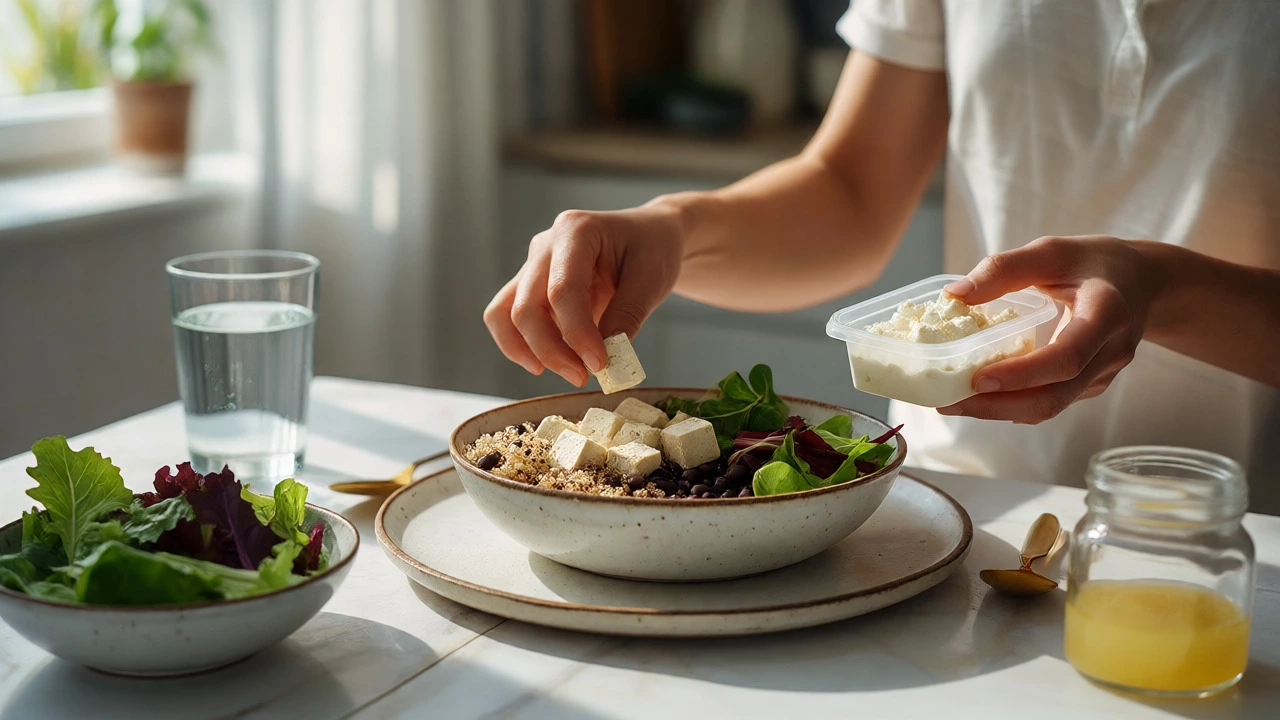
- Pair with Fiber: Neither tofu nor paneer provides significant fiber. Always pair them with leafy greens, legumes, or whole grains to aid digestion and stabilize blood sugar.
- Watch the Sodium: Store-bought tofu and paneer can be salty. Rinse them thoroughly before cooking. When making homemade paneer, control the salt level yourself.
- Vary the Coagulants: If you make your own tofu, alternate between calcium sulfate and magnesium chloride. This varies the mineral profile you receive.
Eating tofu and paneer daily is not just possible; for many vegetarians, it is essential for meeting protein needs. The trick lies in listening to your body. Do you feel energized or bloated? Is your digestion smooth? Adjust the ratio based on your feedback. Maybe you thrive on a 50/50 split. Maybe you prefer tofu for breakfast and paneer for dinner. There is no one-size-fits-all rule, only what works for your biology and your taste buds.
Is tofu healthier than paneer for weight loss?
Generally, yes. Firm tofu has significantly fewer calories and less fat than full-fat paneer. A 100g serving of tofu has around 76 calories compared to 265+ calories in paneer. If you are in a caloric deficit, tofu allows you to eat a larger volume of food for fewer calories.
Can eating tofu daily cause hormonal imbalances in men?
Current scientific consensus says no. While soy contains phytoestrogens, studies show that moderate daily consumption (up to 2-3 servings) does not affect testosterone levels or fertility in men. Significant hormonal changes usually require extremely high, unrealistic amounts of soy.
How much paneer can I eat in a day?
For most adults, 100-150 grams of paneer per day is a reasonable upper limit, especially if it is full-fat. This provides roughly 20-30g of protein and keeps saturated fat intake within recommended limits. If you use low-fat paneer, you can safely consume slightly more.
Does homemade paneer last longer than store-bought?
No, homemade paneer typically lasts 2-3 days in the refrigerator because it lacks preservatives found in commercial brands. To extend its life, submerge it in lightly salted water and change the water daily. Frozen paneer lasts up to 3 months.
Which is better for building muscle, tofu or paneer?
Paneer is denser in protein per gram, making it efficient for muscle building in smaller portions. However, tofu is easier to digest and lower in fat, allowing for higher overall food volume. Many athletes combine both to get a complete amino acid profile while managing calorie intake.