Chutney Vinegar Selector
Select the primary ingredient of your chutney to find the perfect vinegar match.
Fruits & Sweet Vegetables
Apples, Mangoes, Plums, Onions
Fresh Herbs & Delicate Veg
Cucumber, Radish, Mint, Cilantro
Asian Style & Spicy
Ginger, Chili, Lime, Shallots
Rich Savory & Gourmet
Tomatoes, Figs, Beets, Cheese Boards
Recommended Vinegar
Apple Cider Vinegar
Best All-RounderWhy this works:
It shares flavor notes with fruits, creating a cohesive profile where acid enhances fruitiness rather than fighting it.
Safe for canning if acidity is 5% or higher. Store in pantry after processing.
There is nothing worse than spending an hour simmering spices, fruits, or vegetables only to have the final dish taste flat or overly sharp. The secret ingredient that balances sweetness with acidity isn't just sugar-it's vinegar. But not all vinegars are created equal. Using the wrong one can turn a vibrant mango chutney into a metallic mess or make a spicy tomato relish taste like cleaning fluid.
If you have ever stood in the aisle staring at rows of bottles wondering which one will save your recipe, you are not alone. The best vinegar for chutney depends entirely on what you are cooking. Are you making a sweet fruit preserve? A tangy onion dip? Or a savory pickle meant to last months? Each requires a different acid profile to shine.
Why Vinegar Matters in Chutney
Vinegar does two critical jobs in chutney recipes. First, it provides the necessary acidity to balance the natural sugars in fruits and vegetables. Without it, your chutney will be cloyingly sweet rather than bright and complex. Second, and perhaps more importantly, vinegar acts as a preservative. In traditional Indian and British chutneys, the acetic acid lowers the pH level, inhibiting bacterial growth and allowing the condiment to sit safely in the pantry or refrigerator for weeks or even months.
The strength of this preservation power comes from the acidity percentage. Most culinary vinegars range between 4% and 7% acetic acid. For safe home canning and long-term storage, you generally want a vinegar with at least 5% acidity. If you use a weaker variety, you risk spoilage. If you use something too strong without adjusting other ingredients, you might overpower the delicate flavors of fresh herbs or ripe tomatoes.
Apple Cider Vinegar: The All-Rounder
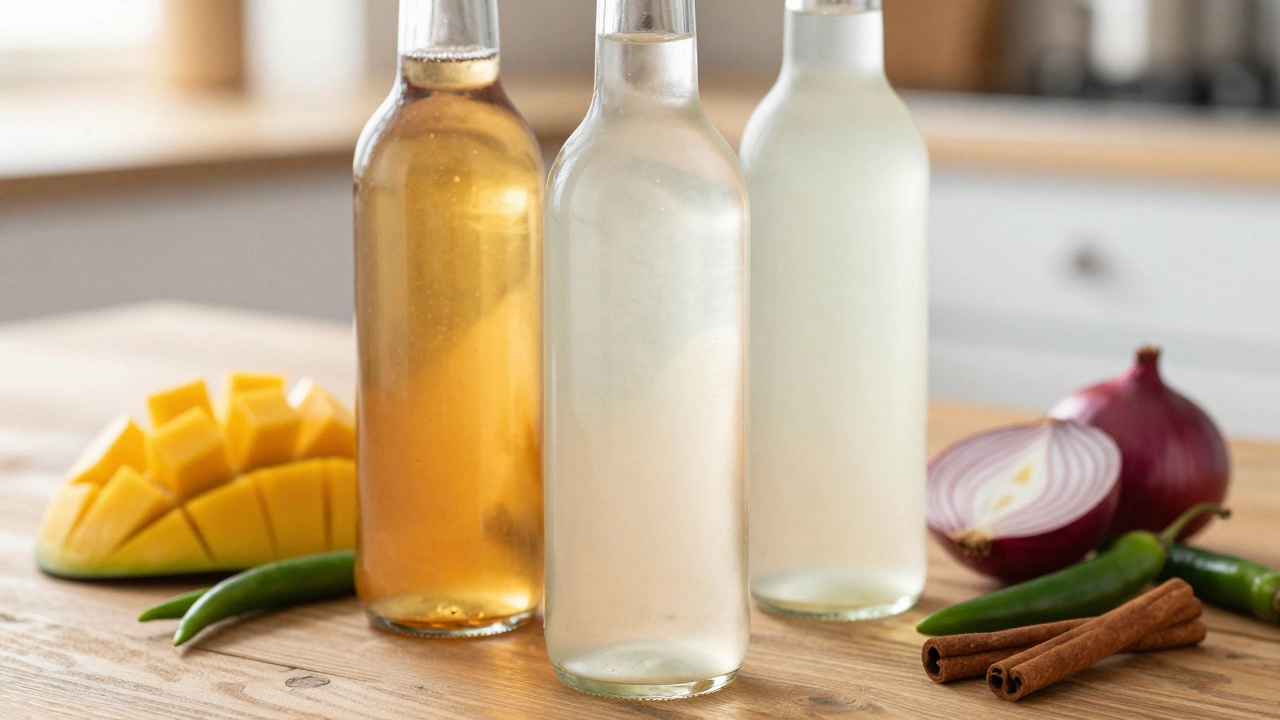
Apple Cider Vinegar is a fermented apple juice product known for its fruity, slightly sweet tartness and amber color. It is widely considered the most versatile option for homemade chutneys, especially those featuring fruits like apples, pears, plums, and mangoes.
Why does it work so well? Because it shares flavor notes with many of the main ingredients. When you make an apple chutney, using apple cider vinegar creates a cohesive flavor profile where the acid enhances the fruitiness rather than fighting against it. It adds depth and a subtle warmth that plain white vinegar cannot match.
This vinegar is particularly popular in British-style chutneys, such as the classic steak sauce often found in supermarkets. Those dark, thick sauces rely heavily on apple cider vinegar to cut through the richness of meat. If you are making a chutney to serve with grilled meats, cheeses, or heavy curries, this is usually your safest bet. Just look for a raw, unfiltered version if possible; the "mother" (the cloudy sediment at the bottom) contains beneficial enzymes that add complexity to the taste.
White Distilled Vinegar: The Neutral Preserver
White Distilled Vinegar is a clear, potent acid made from fermented grain alcohol, offering a sharp, clean taste with no distinct flavor profile beyond sourness. While it lacks the fruity nuances of apple cider vinegar, it has one major advantage: invisibility.
When you are making a chutney where the primary ingredient is delicate-like cucumber, radish, or fresh herbs-you do not want the vinegar to compete for attention. White distilled vinegar steps back, providing the necessary tartness and preservation without altering the color or adding competing flavors. This makes it ideal for quick pickles and light, refreshing chutneys served alongside rich foods like fried snacks or creamy dips.
It is also the standard choice for commercial canning because its high acidity (usually 5-7%) ensures safety. If you are planning to water-bath can your chutney for long-term shelf stability, sticking to white distilled vinegar guarantees consistent results. However, be careful with the quantity; because it is so sharp, a little goes a long way. Start with half the amount called for in a recipe and taste as you go.
| Vinegar Type | Flavor Profile | Best Used With | Acidity Level |
|---|---|---|---|
| Apple Cider | Fruity, warm, slightly sweet | Apples, mangoes, onions, meats | 5-6% |
| White Distilled | Sharp, clean, neutral | Cucumbers, herbs, quick pickles | 5-7% |
| Rice | Mild, soft, slightly sweet | Asian-style chutneys, seafood | 4-5% |
| Balsamic | Rich, woody, very sweet | Tomatoes, figs, cheese boards | 6% |
Rice Vinegar: The Gentle Asian Twist
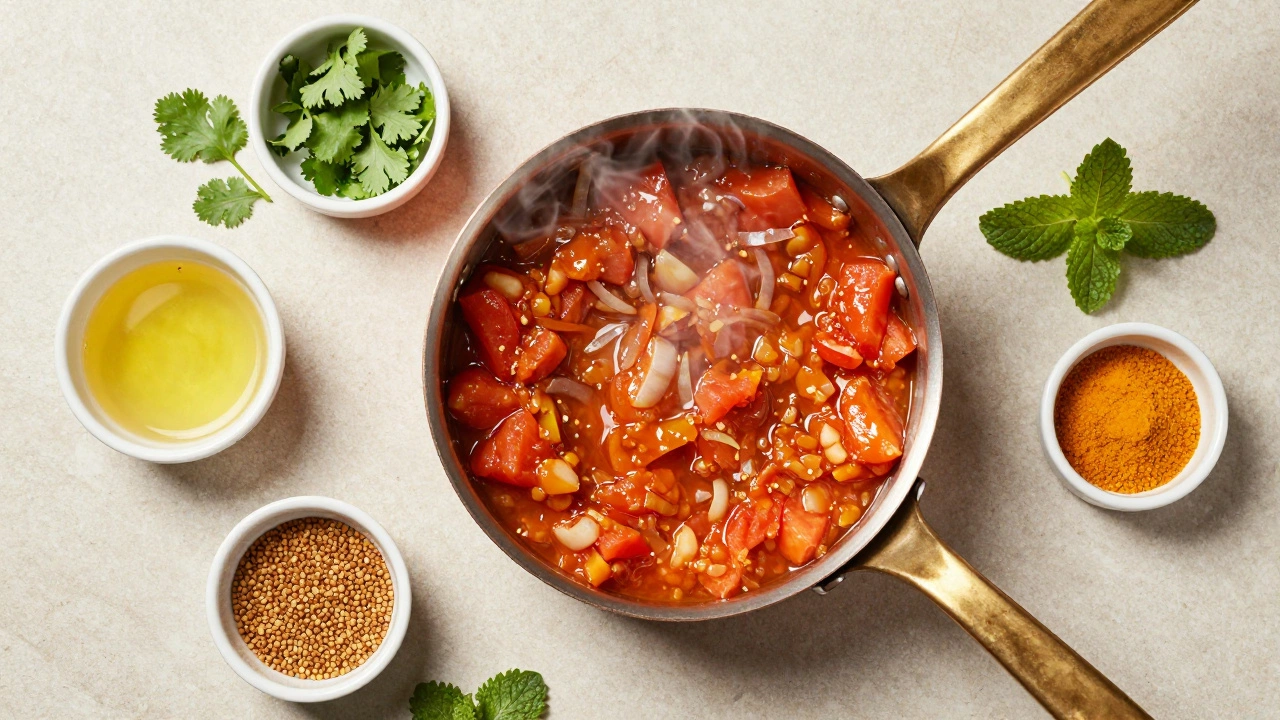
Rice Vinegar is a mild, slightly sweet vinegar made from fermented rice, commonly used in East Asian cuisines for its delicate acidity. Unlike Western vinegars that punch hard, rice vinegar whispers. Its low acidity and inherent sweetness make it perfect for chutneys inspired by Thai, Vietnamese, or Japanese flavors.
If you are making a chutney with ginger, chili, lime, and shallots, rice vinegar blends seamlessly. It won't overpower the heat of the chili or the zest of the lime. This is particularly useful if you are serving the chutney with sushi, sashimi, or delicate fish dishes where a harsh acid would clash. Note that because rice vinegar often has a lower acidity level (around 4%), it is less effective for long-term preservation unless combined with salt and refrigeration. Use it for fresh, immediate consumption rather than pantry storage.
Balsamic and Specialty Vinegars: For Gourmet Touches
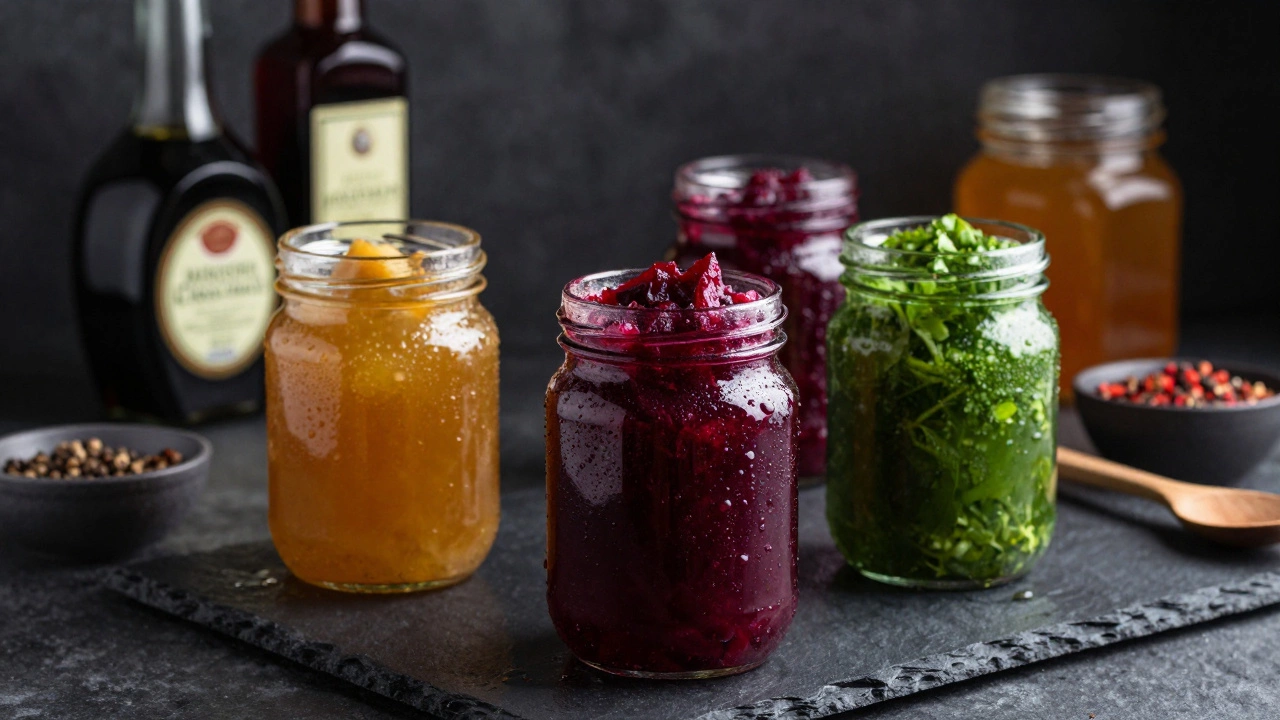
Sometimes, you want a chutney that feels luxurious. Balsamic Vinegar is a dark, concentrated Italian vinegar aged in wooden barrels, characterized by deep sweetness and complex fruity notes. While traditional balsamic is expensive and rare, good quality aged balsamic works wonders in tomato, fig, or beetroot chutneys.
These chutneys are rarely preserved for months. Instead, they are made to be served immediately over goat cheese, roasted vegetables, or grilled chicken. The balsamic adds a syrupy texture and a sophisticated finish that elevates simple ingredients. Similarly, red wine vinegar can be excellent for berry-based chutneys, adding a tannic structure that mimics the fruit itself. Just remember: these specialty vinegars are flavor enhancers, not preservatives. Keep them in the fridge and consume within a week.
Common Mistakes to Avoid
Even experienced cooks trip up when choosing vinegar for chutney. Here are three pitfalls to watch out for:
- Ignoring Acidity Levels: Not all bottled vinegars are equal. Always check the label for the percentage of acetic acid. If a recipe calls for 5% acidity and you use a 4% rice vinegar, your chutney may not be safe for canning. Adjust by adding more liquid or switching types.
- Overpowering Fresh Ingredients: Strong vinegars like malt vinegar (common in British fry-ups) can dominate delicate herbs like cilantro or mint. Reserve malt vinegar for robust ingredients like onions, carrots, and apples.
- Using Balsamic for Preservation: Never rely on balsamic or wine vinegar for long-term shelf stability. Their variable acidity and sugar content make them unpredictable for canning. Stick to distilled or cider vinegar for anything leaving the fridge.
How to Test Your Chutney Balance
The best way to know if you've chosen the right vinegar is to taste-test during the cooking process. Simmer a small spoonful of the mixture until it cools. Cold temperatures mute sweetness and amplify acidity, giving you a better idea of how the final product will taste. If it tastes too sharp, add a pinch of sugar or honey. If it tastes flat, add another teaspoon of vinegar.
Remember, chutney continues to develop flavor as it sits. The vinegar will mellow slightly over time, while the spices deepen. Aim for a balance that is slightly brighter than you think it should be when hot. By understanding the role of each vinegar type, you can transform simple ingredients into condiments that complement any meal, from breakfast toast to dinner plates.
Can I use lemon juice instead of vinegar for chutney?
Yes, but with caution. Lemon juice provides acidity and freshness, making it great for fresh, non-preserved chutneys like coriander-cilantro dips. However, it lacks the stable acetic acid needed for long-term preservation. If you are canning chutney for the pantry, stick to vinegar. For fridge-only recipes, lemon juice adds a lovely citrus note that vinegar cannot replicate.
Is apple cider vinegar better than white vinegar for mango chutney?
Generally, yes. Apple cider vinegar complements the tropical sweetness of mangoes with its own fruity undertones, creating a more harmonious flavor. White vinegar can taste too harsh and medicinal against the delicate flesh of ripe mangoes. Use apple cider vinegar for a richer, more complex result.
What happens if I use too much vinegar in my chutney?
Your chutney will become inedibly sour and may mask the flavors of the spices and fruits. To fix it, you can try balancing the acidity by adding more sugar, honey, or even a boiled potato (which absorbs some acid). Next time, add vinegar gradually and taste as you go.
Does the color of the vinegar affect the chutney?
Absolutely. Dark vinegars like balsamic or apple cider will darken the final product, which is fine for fruit or onion chutneys but might make a cucumber or herb chutney look muddy. If you want a bright, clear appearance, always use white distilled or rice vinegar.
Can I mix different vinegars in one chutney?
You can, but it's tricky. Mixing vinegars can create unpredictable acidity levels, which is risky for preservation. For flavor experimentation in fresh chutneys, try combining a small amount of balsamic for sweetness with white vinegar for brightness. Always ensure the total acidity meets safety standards if storing long-term.