Mild Indian Dish Finder
Dish Name
CategoryDescription goes here.
The Gold Standard of Mild Curries
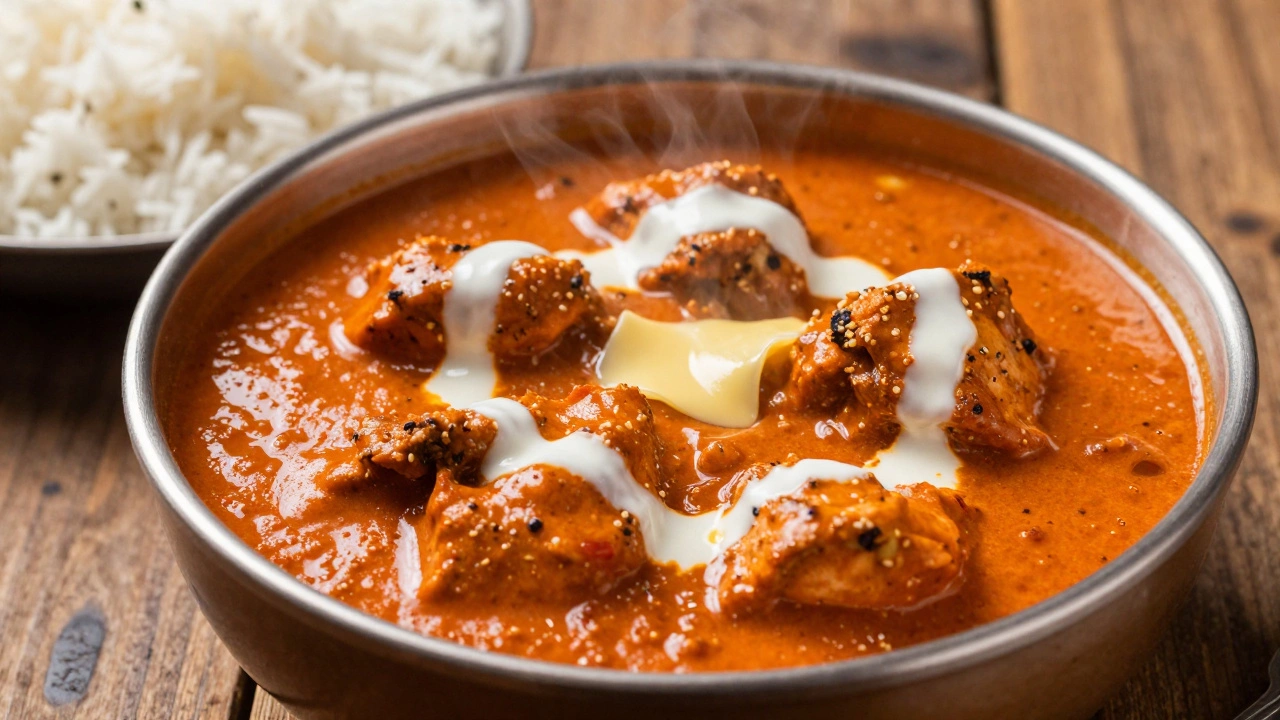
If you're looking for the safest bet on any menu, start with Butter Chicken. Known globally as Murgh Makhani, this dish is practically a hug in a bowl. It uses a tomato-based sauce enriched with heavy cream and butter, which neutralizes the spice. The chicken is usually marinated in yogurt first, making it tender and mild. Then there's Korma. Unlike the tomato-heavy butter chicken, a Korma is often nut-based. It typically uses ground cashews or almonds and coconut milk to create a thick, velvety sauce. It's more about the fragrance of cardamom and cloves than any kind of heat. If you see "Royal Korma" on a menu, it's usually the mildest version possible.| Dish | Primary Base | Key Flavor Profile | Typical Protein |
|---|---|---|---|
| Butter Chicken | Tomato & Cream | Sweet, creamy, tangy | Chicken |
| Korma | Nut Paste & Coconut | Nutty, aromatic, floral | Chicken or Vegetable |
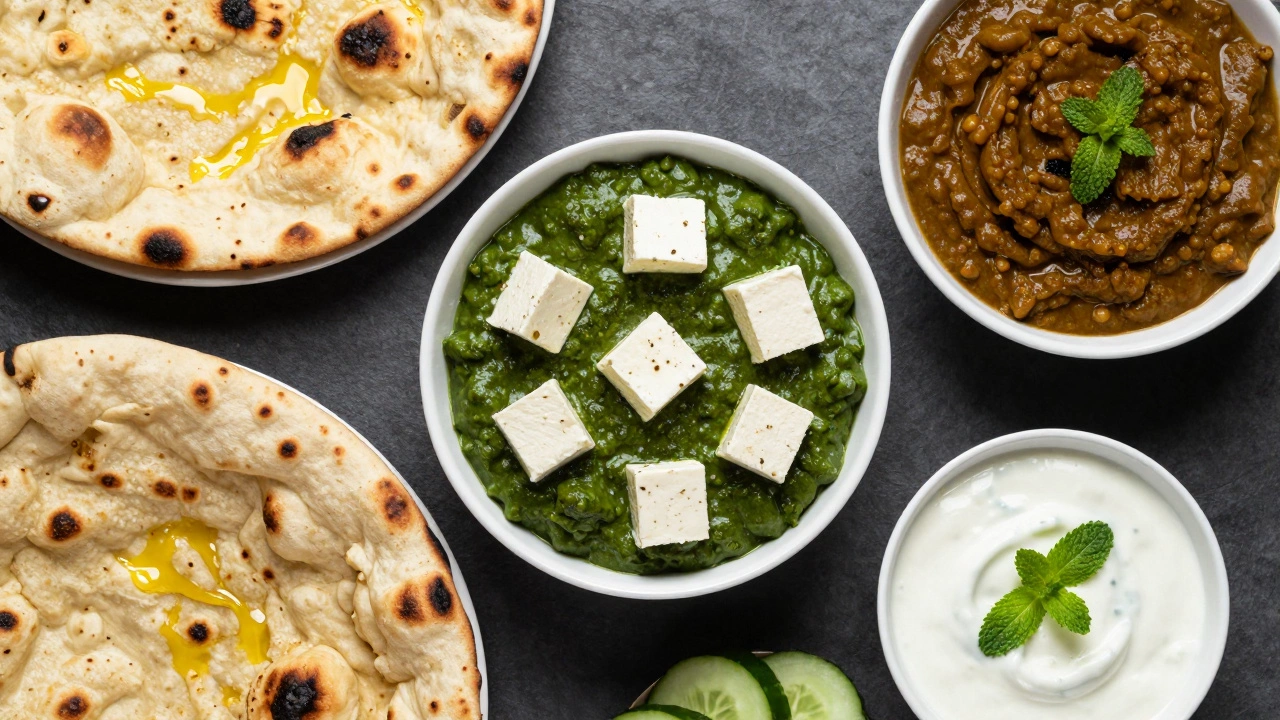
| Saag Paneer | Spinach | Earthy, savory, mild | Paneer (Cheese) |
| Dal Makhani | Black Lentils | Smoky, buttery, rich | Lentils |
Vegetarian Options That Won't Burn
For those avoiding meat, Paneer is your best friend. This firm, non-melting Indian cottage cheese acts like a sponge for mild flavors. Saag Paneer uses pureed spinach and a touch of garlic. While it looks vibrant, the natural sweetness of the spinach keeps the heat levels very low. If you want something heartier, try Dal Makhani. The word "Makhani" literally means buttery. It's made from slow-cooked black lentils and kidney beans. Because it simmers for hours with butter and cream, any sharp edges from the spices are smoothed out, leaving you with a comforting, smoky flavor that's perfect for dipping naan into.The Secret to Making Easy Indian Recipes at Home
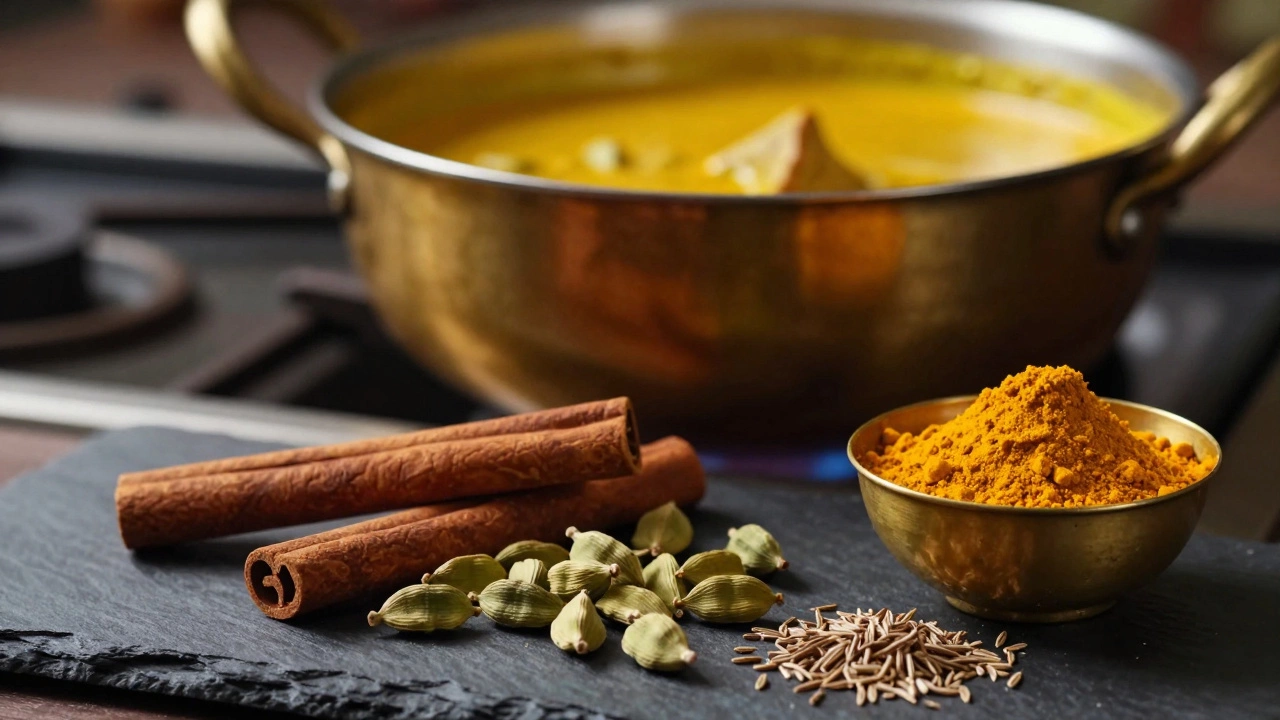
Making easy indian recipes doesn't require a pantry full of 50 different jars. The trick to keeping things mild is in how you handle the "Tadka" (the tempering of spices in oil). Instead of adding fresh green chilies or red chili powder, lean heavily on the "sweet" spices.- Cinnamon and Cardamom: These add a woody, floral sweetness.
- Turmeric: Provides the golden color and an earthy base without any heat.
- Cumin: Adds a nutty, savory depth.
- Garam Masala: Use this sparingly. Check the label; some blends are heavy on cloves (mild) and others on chili (hot).
The Essential Sidekicks
No mild curry is complete without the right accompaniments. Naan is the classic choice. Whether it's garlic or plain, the charred, chewy bread helps soak up the creamy sauces. If you want something lighter, Basmati Rice is the way to go. Its fluffy texture and slight popcorn-like aroma provide a neutral canvas that lets the mild flavors of a Korma shine. For a cooling contrast, always have a side of Raita. This is a simple condiment made of yogurt, cucumber, and mint. It's the ultimate "fire extinguisher"-even if your dish is mild, the cold yogurt cleanses the palate between bites.How to Order Mildly at a Restaurant
When you're at an Indian restaurant, the menu can be overwhelming. Most places have a heat scale (1 to 5 chilies), but that's not always reliable. To ensure you get a truly mild experience, use these specific requests:- Ask for "No Chili": Specify that you want aromatic spice, but no "heat" or "fire."
- Look for "Korma" or "Makhani": These keywords almost always signal a cream- or butter-based sauce.
- Request Extra Cream: If you're unsure, ask if they can add a bit more cream or coconut milk to the sauce to mellow it out.
- Avoid "Vindaloo" or "Jalfrezi": These are traditionally the hottest dishes on the menu and are rarely made mild without losing their identity.
Common Pitfalls and How to Avoid Them
One mistake people make is thinking that "mild" means "flavorless." This is a huge misconception. A dish can be completely heat-free but still be packed with flavor. The key is using a wide variety of spices rather than just omitting everything. Another trap is confusing "spicy" with "hot." In the culinary world, spicy refers to the use of spices (like cinnamon or cumin), while hot refers specifically to the burning sensation from chilies. When you ask for a mild dish, you're asking for a "non-hot" dish, not a "non-spiced" one. If you remove all the spices, you'll end up with a bland stew rather than a rich Indian curry.Is Butter Chicken always mild?
Generally, yes. Because it's loaded with cream and butter, it is designed to be mild. However, some chefs add a pinch of Kashmiri chili for color. If you are extremely sensitive, it's always worth asking the server to confirm the heat level.
What is the mildest Indian dish for someone who hates spice?
A vegetable or chicken Korma is typically the mildest option. It relies on nut pastes and cream rather than onions and chilies, making it very gentle on the palate.
Can I make Indian food mild if I've already added too much chili?
Yes. Adding dairy is the most effective method. Stir in some heavy cream, coconut milk, or plain yogurt. If the dish is tomato-based, a teaspoon of sugar or honey can also help balance out the heat.
Are there any mild Indian snacks?
Absolutely. Samosas are often mild, though they can vary. Other great options include Pakoras (vegetable fritters) with a mint chutney, or Aloo Tikki (potato patties) which focus more on salt and cumin than heat.
What is the difference between mild and medium curry?
A mild curry usually has no noticeable "burn" and focuses on sweetness and creaminess. A medium curry introduces a warmth that lingers on the tongue, often using a small amount of green chili or chili powder to add a kick without being overwhelming.