Mysore Chutney and Indian Breakfast Recipes from November 2025
When you make chutney, a traditional Indian condiment made from fresh ingredients like coconut, tamarind, or chili, often stored in jars for weeks or months. Also known as Indian pickle relish, it’s not just a side—it’s the flavor anchor for meals across South India. But storing it wrong ruins everything. That’s why the posts this month focus on real, tested ways to keep chutney safe, flavorful, and shelf-stable—like cooling it just enough before sealing, using the right jars, and knowing exactly how long it lasts. Skip the guesswork. These aren’t theories. They’re what works in home kitchens in Mysore and beyond.
And if you’ve ever struggled with a soft dosa, a bland biryani, or a dry tandoori chicken, you’re not alone. This collection tackles the hidden mistakes most recipes ignore. Why does lemon in biryani make such a difference? It’s not just acidity—it’s about balancing heat, lifting spices, and keeping rice separate. What’s the right urad dal to rice ratio, the critical 1:3 mix that determines whether your dosa turns crispy or soggy. Also known as dosa batter ratio, it’s the foundation of every good South Indian breakfast. And when you’re making curry, it’s not the spice blend that matters most—it’s the order you add onions, garlic, curry leaves, and turmeric. Layering flavor isn’t optional. It’s the difference between something good and something that tastes like it came from your grandmother’s kitchen.
Indian breakfasts aren’t fancy. They’re fast, filling, and built around staples like idli, poha, and upma. The posts this month show you how to make them without special equipment, using ingredients you already have. And if you’ve ever wondered how British chutney fits into this world, or if salsa is just another name for chutney, you’ll find the answers here too. This isn’t about exotic ingredients or complicated techniques. It’s about understanding the why behind what you do—so your food tastes better, lasts longer, and actually works the first time.
Below, you’ll find real fixes for real problems: how to save a failed dosa batter, what not to do when marinating chicken, and which Indian sweets are fading out of kitchens. No fluff. No filler. Just what you need to cook with confidence.
Do Chutneys Need to Cool Before Putting in Jars? The Right Way to Store Homemade Chutney
Learn the right way to jar homemade chutney-why cooling it slightly before sealing matters for safety, flavor, and shelf life. Avoid spoilage and get perfect seals every time.
learn more
How Long Does Homemade Chutney Last in a Jar? Storage Tips That Actually Work
Homemade chutney lasts 3-6 weeks in the fridge and up to a year if properly canned. Learn how to store it safely, spot spoilage, and extend its shelf life with vinegar, sugar, and proper jars.
learn more
What to Avoid When Marinating Tandoori Chicken
Avoid these 10 common mistakes when marinating tandoori chicken-wrong yogurt, too much oil, sugar, metal bowls, and more. Learn what really makes it tender, flavorful, and safe to eat.
learn more
What Is the Ratio of Urad Dal to Rice for Perfect Dosa Batter?
The perfect dosa batter needs a 1:3 ratio of urad dal to rice. Learn why this ratio works, how to soak and ferment the batter, and how to avoid common mistakes for crispy, fluffy dosas every time.
learn more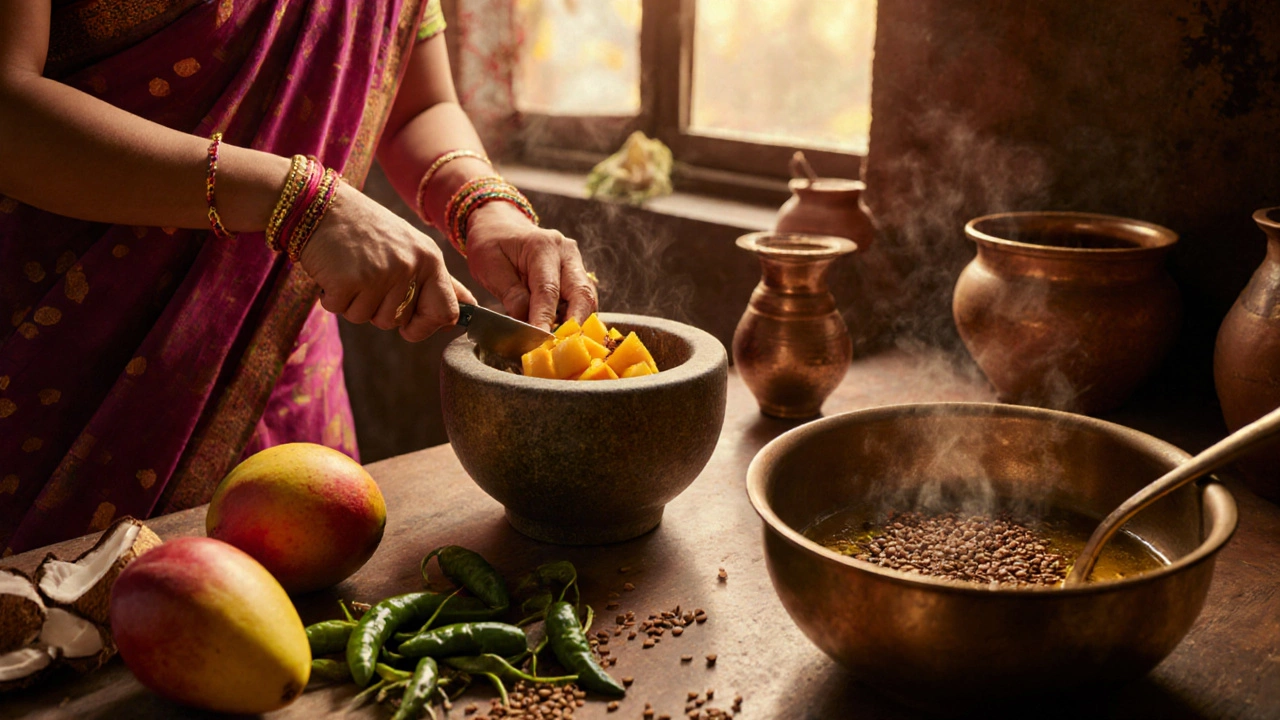
Is Salsa a Chutney? The Real Difference Between Two Popular Condiments
Salsa and chutney look similar but come from different culinary worlds. Learn why they're not interchangeable and what makes each one unique in flavor, ingredients, and tradition.
learn more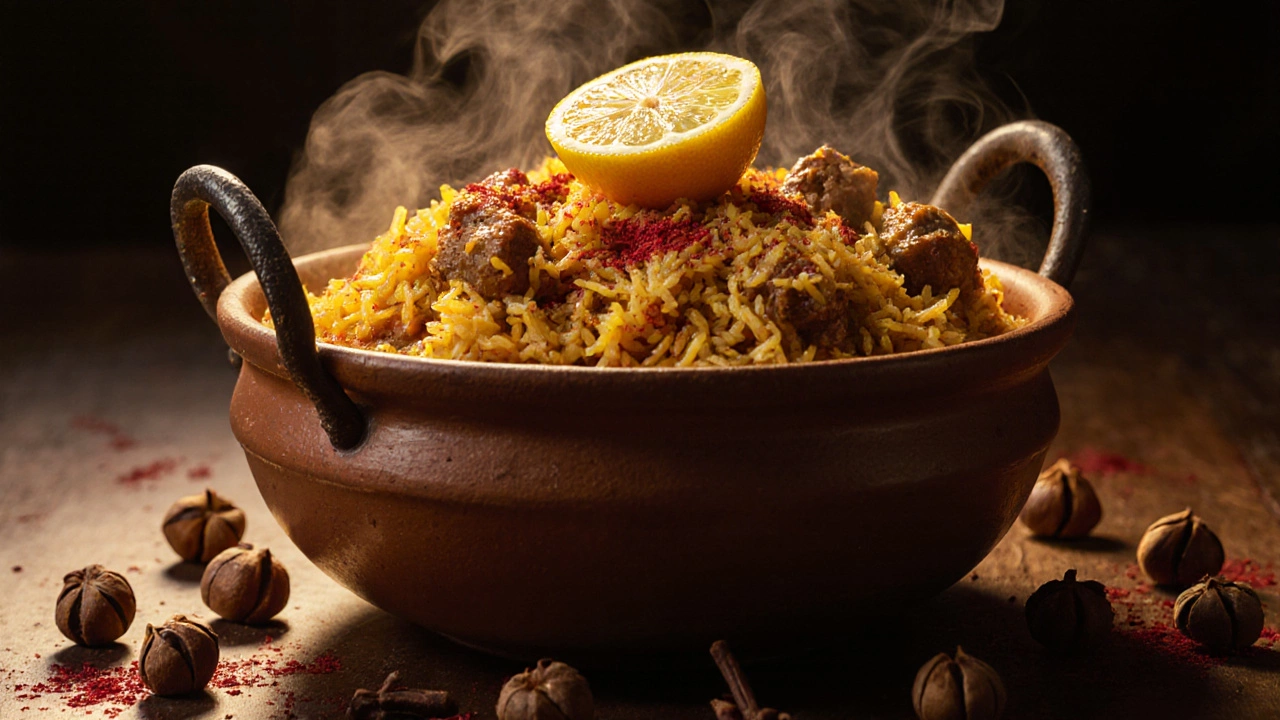
Why Do We Add Lemon in Biryani? The Real Reason Behind This Common Step
Lemon in biryani isn't just for show - it cuts through richness, keeps rice fluffy, and lifts the spices. Skip it, and your biryani loses its soul. Here's why this simple ingredient makes all the difference.
learn more
What Are the Most Common Ingredients in Curry?
Discover the essential ingredients that make chicken curry taste authentic - from onions and garlic to turmeric, cumin, and curry leaves. Learn how to build flavor layer by layer without relying on store-bought mixes.
learn more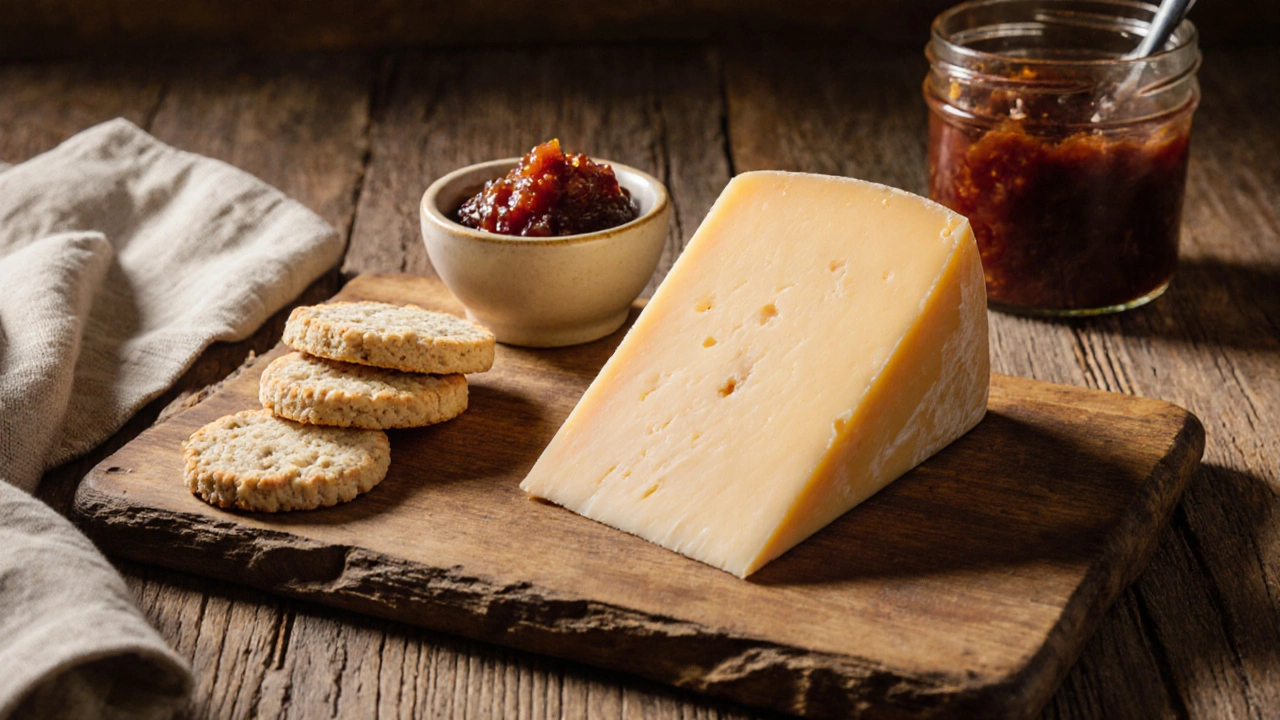
How to Eat British Chutney: Simple Ways to Enjoy It with Everyday Foods
Learn how to eat British chutney with cheese, sandwiches, meats, and breakfast foods. Simple, tasty ways to use this sweet-tangy condiment every day.
learn more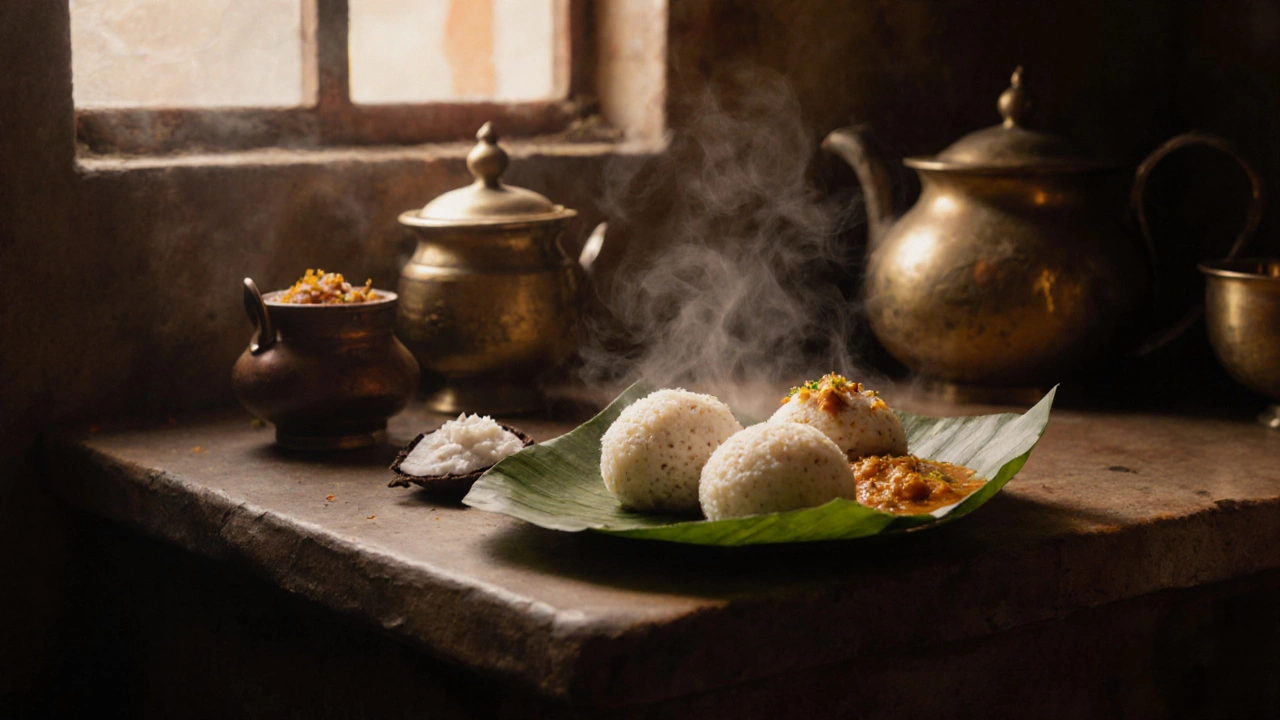
What Can I Eat for Breakfast in India? 15 Authentic Quick Breakfast Ideas
Discover 15 authentic, quick Indian breakfasts-from idli and dosa to poha and upma-that are easy to make anywhere. No fancy tools needed, just flavor, tradition, and energy to start your day.
learn more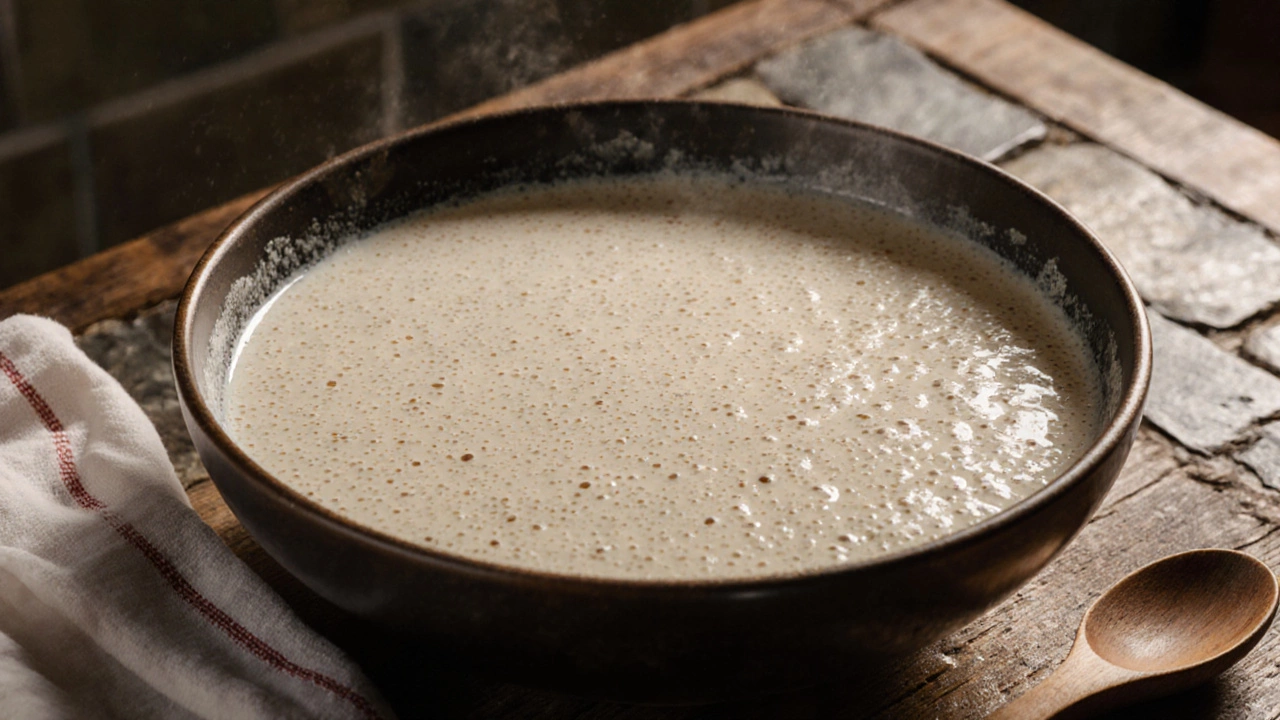
Why Is My Dosa Soft and Not Crispy? Fix Your Batter and Technique
Soft dosa instead of crispy? It’s usually due to under-fermented batter, wrong consistency, or a cold pan. Learn how to fix your dosa recipe with simple steps for perfect crispness every time.
learn more
What Is the Indian Sweet That's Like Cotton Candy?
Phool jhadi is the Indian sweet that tastes like cotton candy but is made by hand with sugar, cardamom, and rose water. Discover its history, how it’s made, and why it’s disappearing.
learn more
What food does India eat the most? The truth about daily Indian meals
India's most eaten foods aren't fancy dishes-they're simple, daily staples like roti, rice, dosa, and dal. These foods feed millions every morning and define the country's real eating habits.
learn more