Mysore Cuisine in August 2025: Dal, Paneer, Coffee, and Indian Eating Habits
When you think of Mysore cuisine, a vibrant, spice-rich tradition from southern India centered on rice, lentils, and dairy-based proteins like paneer. Also known as Mysore food, it’s not just about flavor—it’s about rhythm, ritual, and regional identity. This August, we dug into what makes these dishes stick with people: the lentils simmered for hours, the paneer fried just right, the coffee served in steel tumblers at dawn. These aren’t random recipes. They’re habits passed down, adapted, and loved.
Take dal, the everyday heart of Indian meals, made from lentils like toor or masoor, spiced with mustard seeds, turmeric, and curry leaves. Also known as lentil stew, it’s the dish you eat with rice, roti, or even on its own when you’re tired. We broke down which dals don’t need soaking, why some spices make all the difference, and when you might want to skip lentils altogether—especially if your digestion is sensitive. Then there’s paneer, a fresh, non-melting cheese-like protein native to South Asia, often fried or simmered in creamy sauces. Also known as Indian cottage cheese, it’s the go-to for vegetarians who miss the texture of meat. But why isn’t regular cheese as popular? We compared paneer to Western cheese—nutrition, cost, taste—and found out why paneer wins on Indian tables. And then there’s coffee in India, a daily ritual in the south, where filter coffee is brewed slow, poured from a height, and served with milk and sugar. Also known as South Indian filter coffee, it’s not just a drink—it’s a morning ceremony. We looked at how locals drink it, where to find the best cups, and whether it’s safe for travelers.
It’s not all about food. It’s about when you eat. Indian dinner time, varies from city to village, with urban families eating late after work and rural households finishing before sunset. Also known as dinner habits in India, it’s shaped by work, climate, and family structure. We asked: Why do some people eat at 8 p.m. and others at 6? How does religion, work schedule, or even the season change when the plate gets served?
This August, we didn’t just share recipes. We shared context. You’ll find guides that cut through the noise—no fluff, no myths. Just real talk on what works, what doesn’t, and why. Whether you’re cooking dal for the first time, wondering if paneer is healthier than cheese, or just curious why Indian coffee tastes nothing like what you get at home—this collection has you covered. What you’re about to read isn’t a list. It’s a look inside how real people eat, think, and live through food in India.
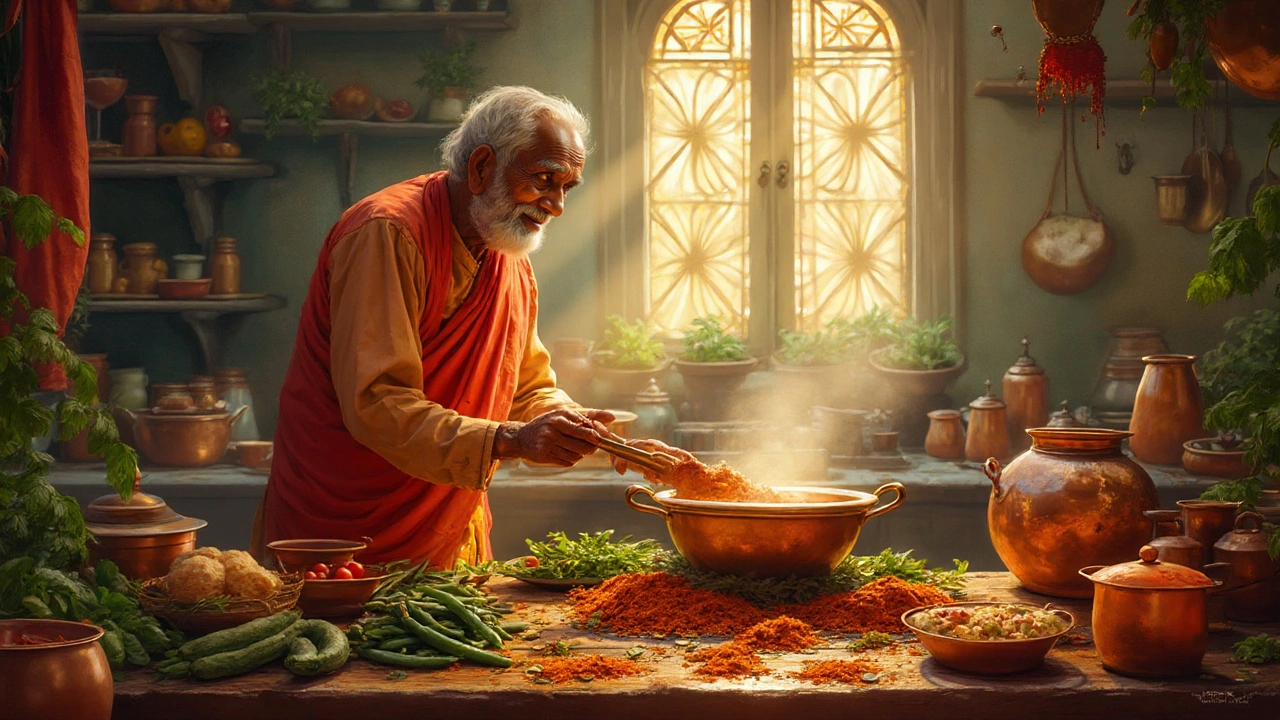
Best Vegetarian Indian Dish: Exploring India's Top Veg Delicacies
Discover what truly makes the best vegetarian dish in India—history, taste, hidden gems, and tips. Learn why some classics rule Indian hearts. Expect mouthwatering details.
learn more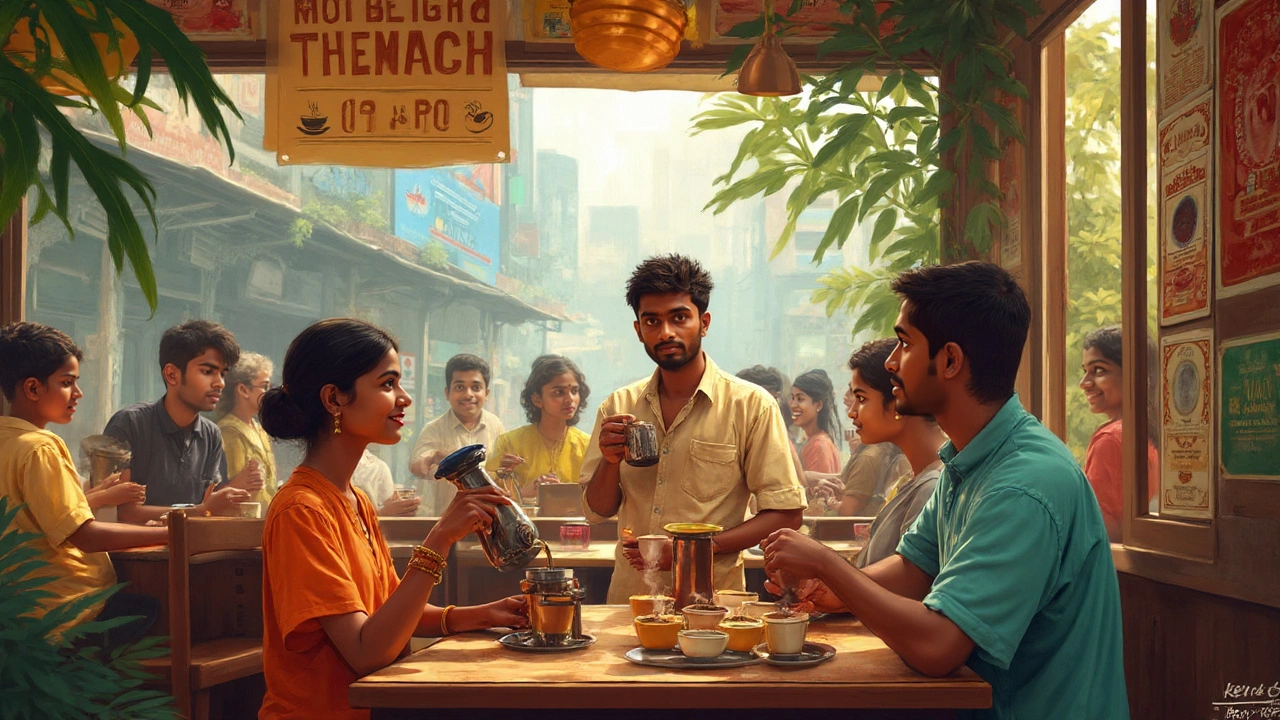
Coffee in India: Can You Drink It, Where, and What to Expect
Thinking about drinking coffee in India? Discover India's surprising coffee culture, best coffee types, safety tips, and unique finds for travelers and locals.
learn more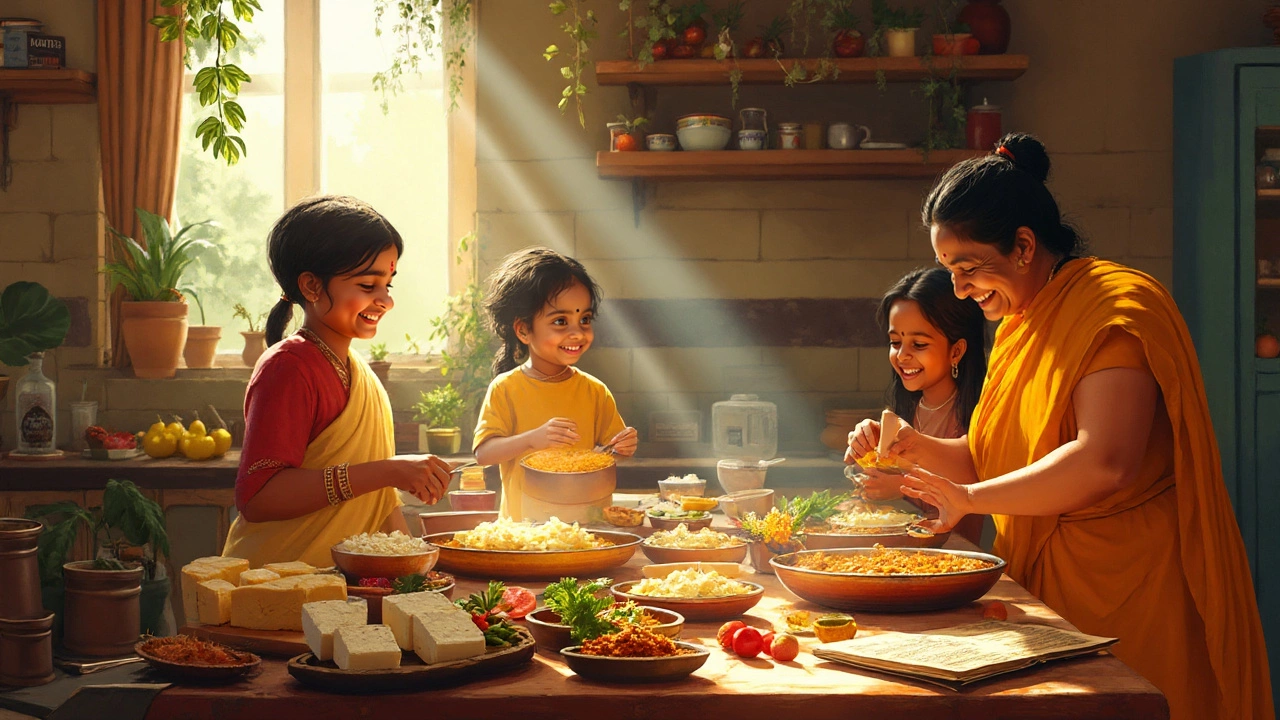
Why Cheese Isn't Big in India: Cultural, Culinary, and Historical Reasons
Explore why cheese hasn't caught on in India like paneer has—unpack the cultural, culinary, and historical reasons in a relatable, engaging way.
learn more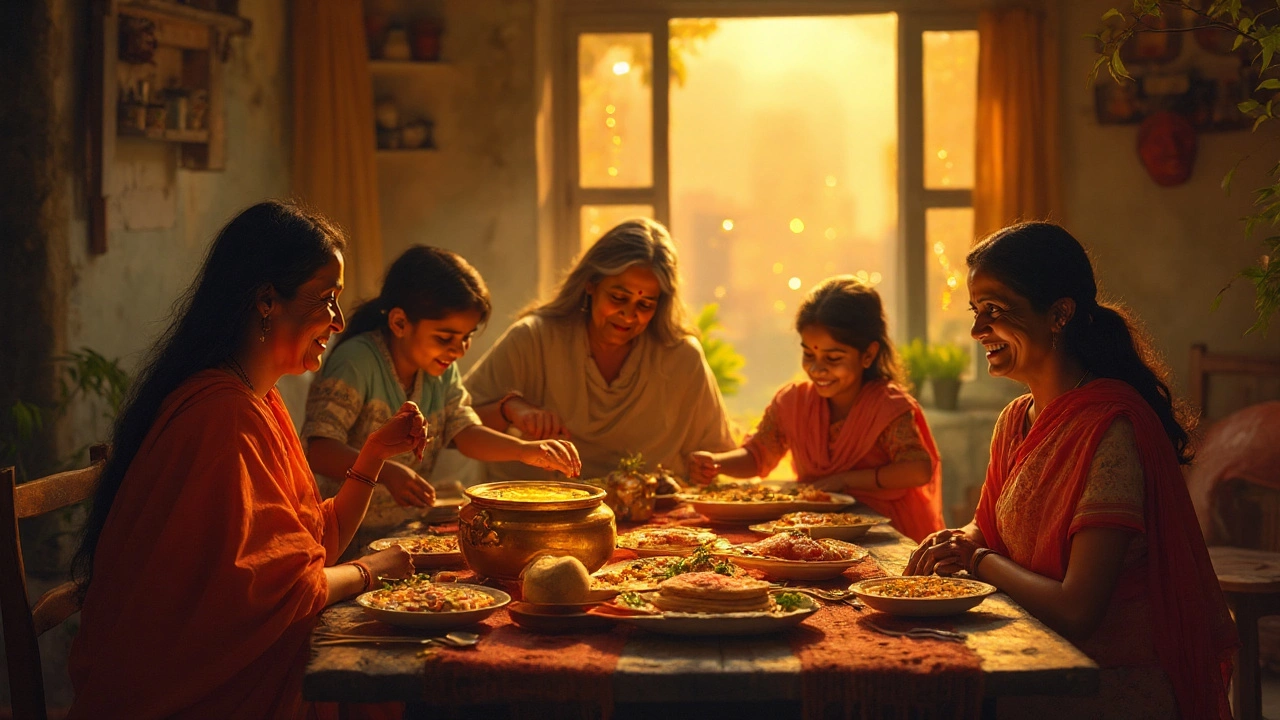
What Time Do People Eat Dinner in India? A Guide to Indian Dinner Habits
Curious about dinner times in India? Explore when people eat dinner across regions, cultural factors influencing dinner, and how social life shapes Indian eating habits.
learn more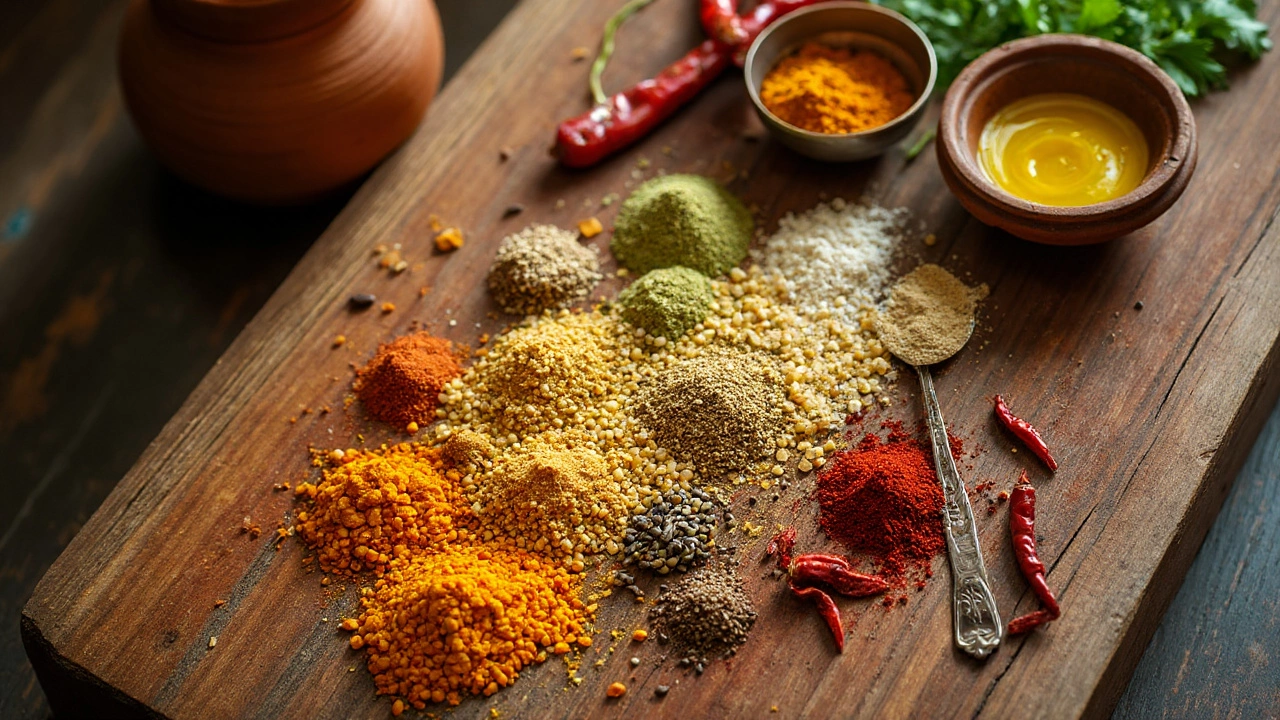
Dal Ingredients Guide: Spices, Lentils, and Secrets for Authentic Flavor
Uncover the ingredients that make dal so hearty and delicious. Get insights on lentils, spices, and the little-known, flavor-boosting extras for perfect dal.
learn more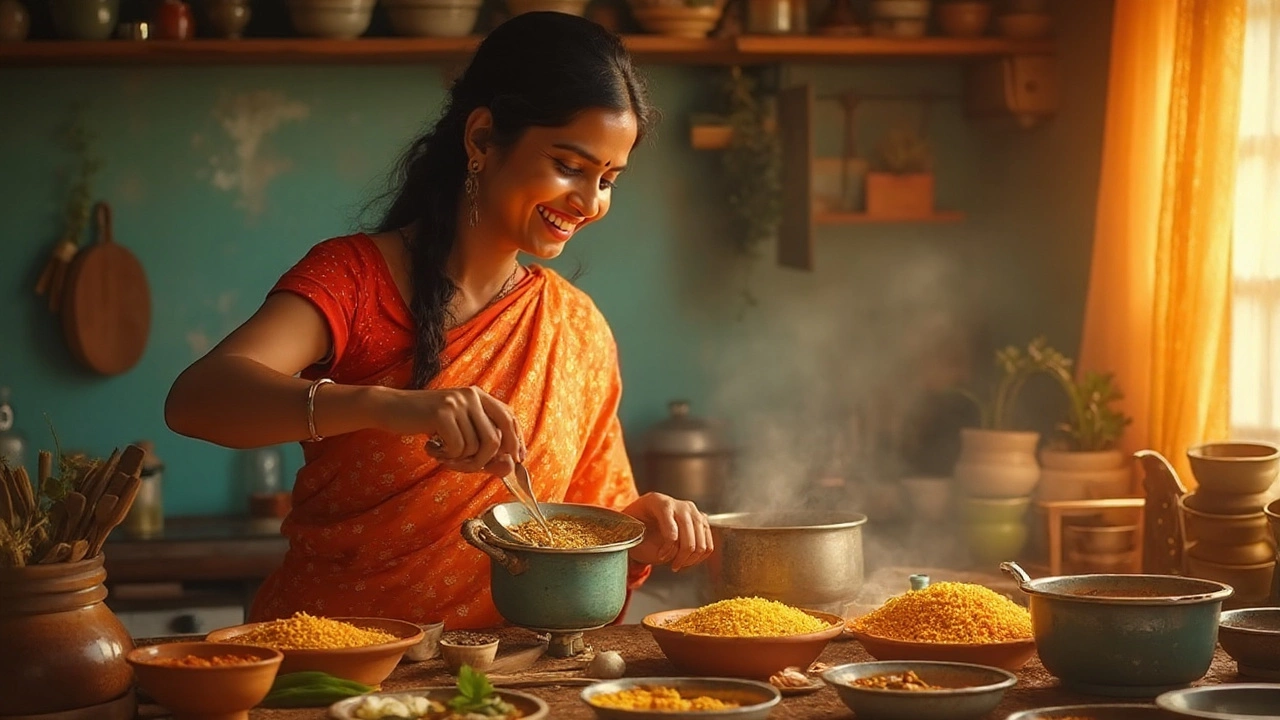
Which Dal Does Not Need Soaking? Fastest Indian Lentils to Cook
Discover which Indian dal does not need soaking, why, and how to cook it fast. Tips, table of cooking times, and expert advice for easy home meals.
learn more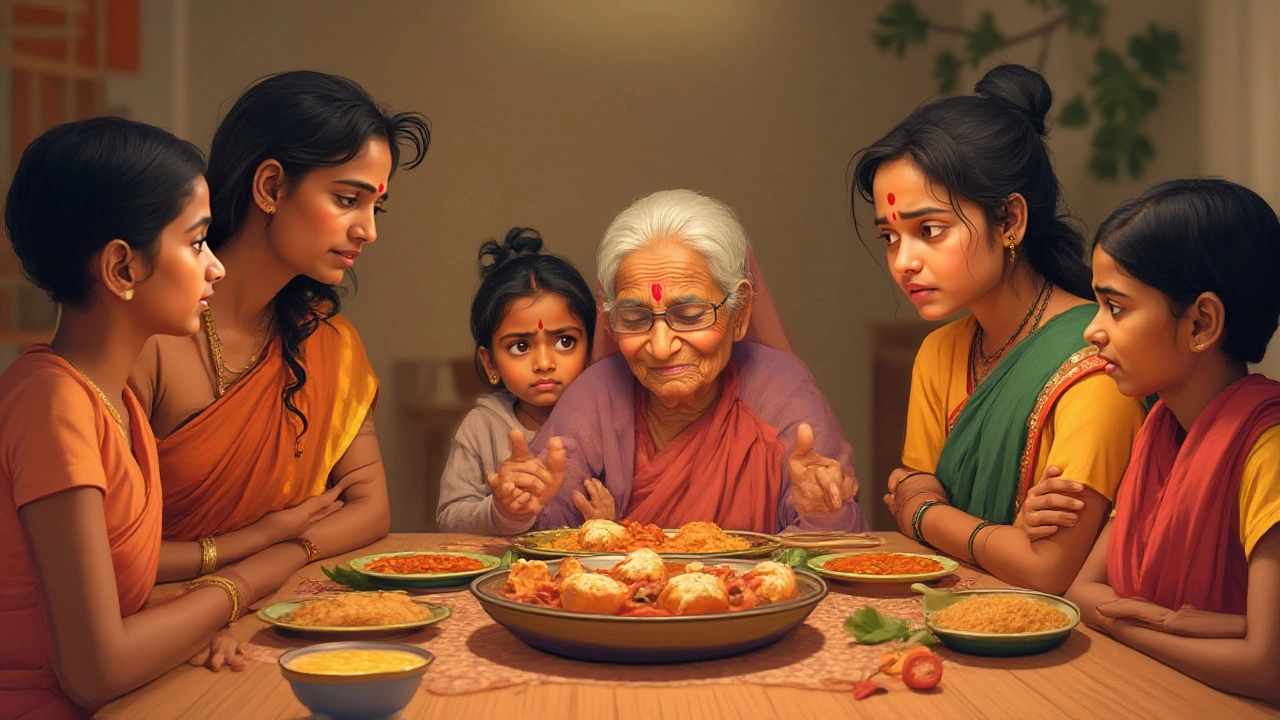
When Should You Avoid Eating Lentils? Healthy Diet Tips & Myths
Ever wondered if there are times lentils shouldn't be on your plate? This article covers who should avoid lentils and shares tips to enjoy them safely.
learn more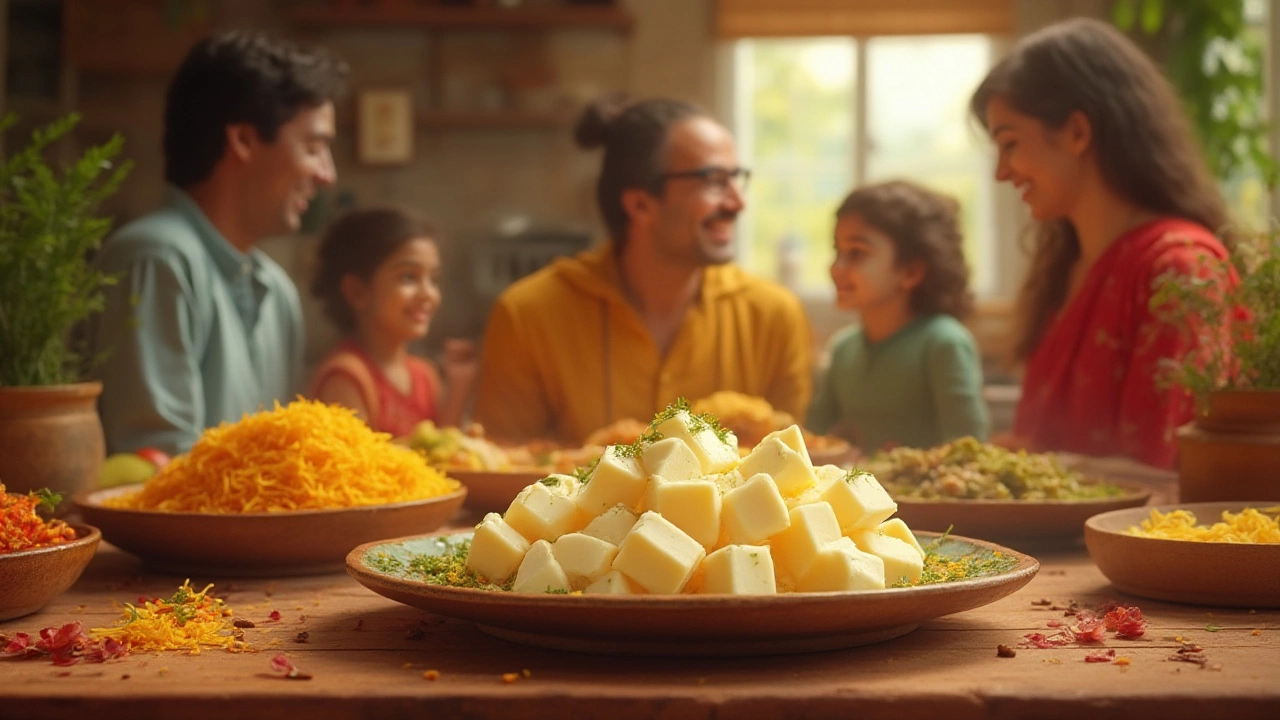
Paneer vs Cheese: Which Is Healthier for Your Indian Plate?
Curious if paneer is healthier than regular cheese? This deep-dive compares taste, nutrition, and cooking uses, busts myths, and helps you make smart choices.
learn more